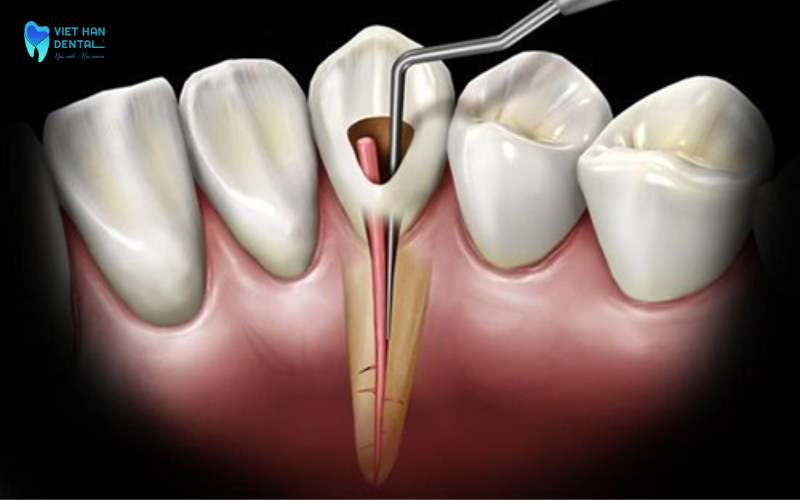
Determining the pulp condition
Symptoms, pulp tests and X-rays help distinguish reversible pulpitis, irreversible pulpitis or necrosis.



Root canal treatment cleans inflamed or necrotic canals, seals them and restores the tooth with a tooth-saving plan at Viet Han.


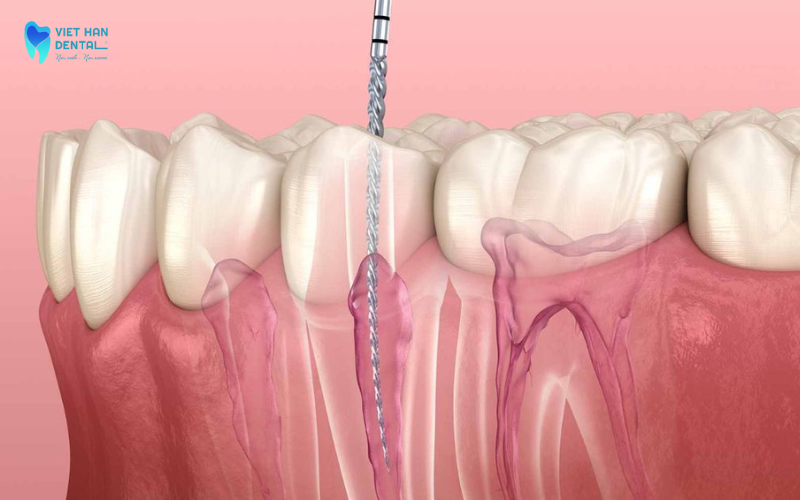
Root canal treatment removes inflamed or necrotic pulp and cleans and shapes the canal system before sealing it. Afterwards the tooth needs a suitable restoration so it can keep chewing.
Symptoms, pulp tests and X-rays help distinguish reversible pulpitis, irreversible pulpitis or necrosis.
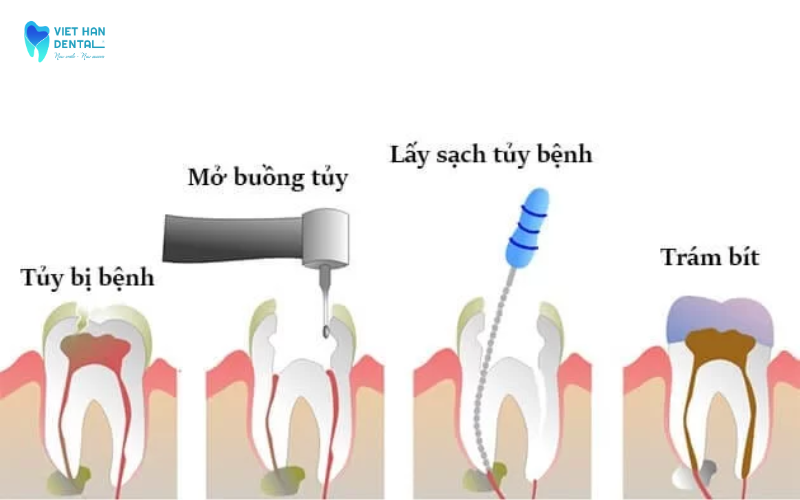
Diseased tissue and bacteria are removed with instruments and dedicated irrigating solutions.
A filling or protective crown is considered based on the remaining structure and the chewing load.
See the overview and each key detail to understand the method before treatment.

Symptoms, pulp tests and X-rays help distinguish reversible pulpitis, irreversible pulpitis or necrosis.

Diseased tissue and bacteria are removed with instruments and dedicated irrigating solutions.

A filling or protective crown is considered based on the remaining structure and the chewing load.

The dentist assesses symptoms, tooth structure and surrounding tissues before choosing a technique.

The scope, timeline and goals of treatment are based on each patient's data.

Check-up milestones help the dentist see how you respond and adjust when needed.

The indication is confirmed after an in-person examination, a review of X-rays and your overall oral health.
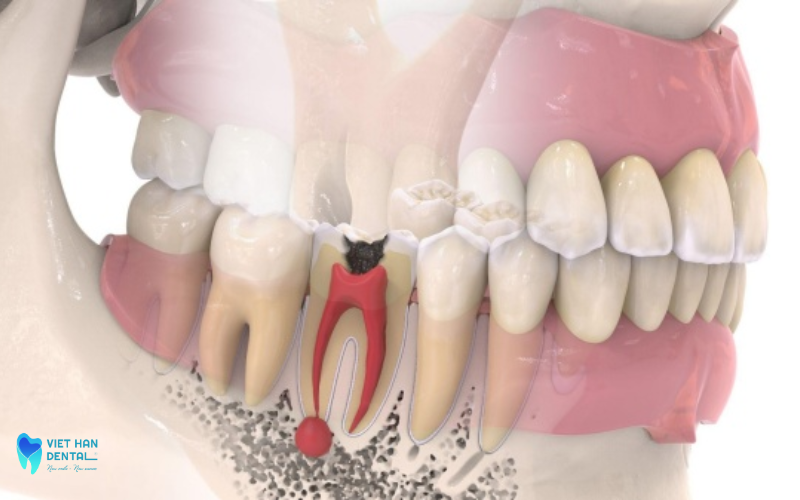
Prolonged pain may be related to irreversible pulpitis.
Decay approaching or reaching the pulp chamber needs to be assessed.
Pulp necrosis can progress silently and show up on X-rays at the root tip.
An impact can damage the pulp's blood supply even if the crown looks intact.


The dentist assesses symptoms, tooth structure and surrounding tissues before choosing a technique.

The scope, timeline and goals of treatment are based on each patient's data.

Check-up milestones help the dentist see how you respond and adjust when needed.

Hygiene guidance and follow-up visits help maintain oral health after treatment.
Each stage includes a check before moving on to the next.
The dentist examines you in person, records symptoms and orders X-rays when needed.
The scope of treatment, possible sensations, costs and appointments are explained beforehand.
Each step follows professional protocols with a focus on pain control and sterility.
You receive home-care instructions and a check-up schedule suited to your condition.
Note: The timeline and scope depend on the condition of your teeth, gums and bite and on the dentist's recommendation after the examination.
Ask about the processFollowing your dentist's personalized instructions makes treatment and aftercare go more smoothly.
Share your expectations clearly: Explain what bothers you about color and shape and how natural you want the result to look.
Check your oral health: Treat decay, gum inflammation or active bite problems before restoration.
Understand the conservative options: Ask your dentist to explain the extent of preparation, the materials and any alternatives.
Confirm costs and timeline: Agree on the number of teeth, material, temporaries, try-in appointments and follow-up policy.
Avoid excessive force: Do not use the restored teeth to crush ice, open bottles or chew very hard objects.
Clean carefully along the gumline: Brush with the correct technique and use floss or a water flosser as instructed.
Pay attention to how your bite feels: Contact the clinic if your bite feels high, sensitivity persists, your gums bleed or food gets trapped unusually.
Attend follow-up visits on time: Checking margins, contact points and bite helps detect anything that needs adjusting early.
Every plan is built on close cooperation between the dentist, diagnostic data and continuous care.
Dr.
Eight pillars that make your treatment journey clearer, safer and more convenient.

Your teeth, gums, bite and X-rays are assessed before a plan is made.

The approach, timeline and goals are adapted to each patient's data.

Photos and X-rays help the dentist make well-controlled treatment decisions.

The materials and appliances used are clearly explained for each option.

Instruments, treatment rooms and every procedural step are controlled under dental protocols.

Your dentist checks your response and adjusts the plan at the necessary milestones.

Expected items and any additional indicated work are discussed before treatment.

Hygiene guidance and follow-up visits are provided according to your actual condition.
Viet Han combines formally trained dentists with diagnostic data and a follow-up process to build the right plan for every patient.
Real cosmetic restoration journeys with different starting conditions and treatment plans at Viet Han Dental.
Costs depend on the tooth group, the number and complexity of canals and whether it is a first treatment or retreatment.
| Service | Details | Cost |
|---|---|---|
General Dentistry | ||
| Root canal treatment for incisors/canines | Per tooth | 1,200,000 VND |
| Root canal treatment for premolars (small molars) | Per tooth | 1,400,000 VND |
| Molar root canal treatment | Depends on position | 1,700,000 VND – 2,000,000 VND |
Additional costs when indicated | ||
| Examination and diagnosis | Depends on your actual condition | Confirmed by your dentist |
| X-rays or supporting records | Only when clinically indicated | Quoted before treatment |
| Preparatory treatment before specialist care | Depends on tooth and gum health | Confirmed by your dentist |
| Regular follow-up visits | According to each individual plan | As indicated |

Every need is examined and planned individually to protect your long-term oral health.
Common questions before choosing the right treatment option.
How it feels depends on your condition and the technique used. The orthodontist will explain suitable ways to manage discomfort before treatment.
Duration differs from person to person and can only be estimated after the dentist checks your actual condition. Treatment may include cleaning the canal system, monitoring the response, sealing and completing the crown restoration.
The cost depends on the scope, materials or appliances and any supporting treatment. The plan and costs are discussed before treatment begins.
Yes. Check-ups help the dentist evaluate your response, check hygiene and address anything that needs adjusting early.
How the crown is restored depends on the remaining tooth structure, tooth position and chewing forces. The dentist may suggest different ways to protect the tooth after root canal treatment rather than one option for everyone.
Do not end treatment yourself just because symptoms have eased. Cleaning the canals and restoring the tooth may not be finished yet, and the temporary filling also needs monitoring.
