Firm, restored chewing
The implant replaces the lost root, keeping the crown stable and helping spread chewing forces when correctly indicated.

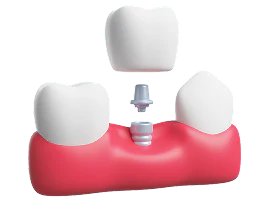
One implant takes over the role of the root and supports a new tooth on top — replacing a lost tooth without grinding down the two neighbouring teeth for a bridge.
You can explore this page with peace of mind — no knowledge of complex dental terms is needed.
Here Viet Han explains how an implant tooth is built and how an implant replaces a missing tooth.
It will help you picture the treatment process, waiting time, costs and the points to discuss with your dentist before you decide.
It restores one or a few missing teeth with an implant placed in the jawbone, combined with a connector and a crown on top to support chewing and appearance.
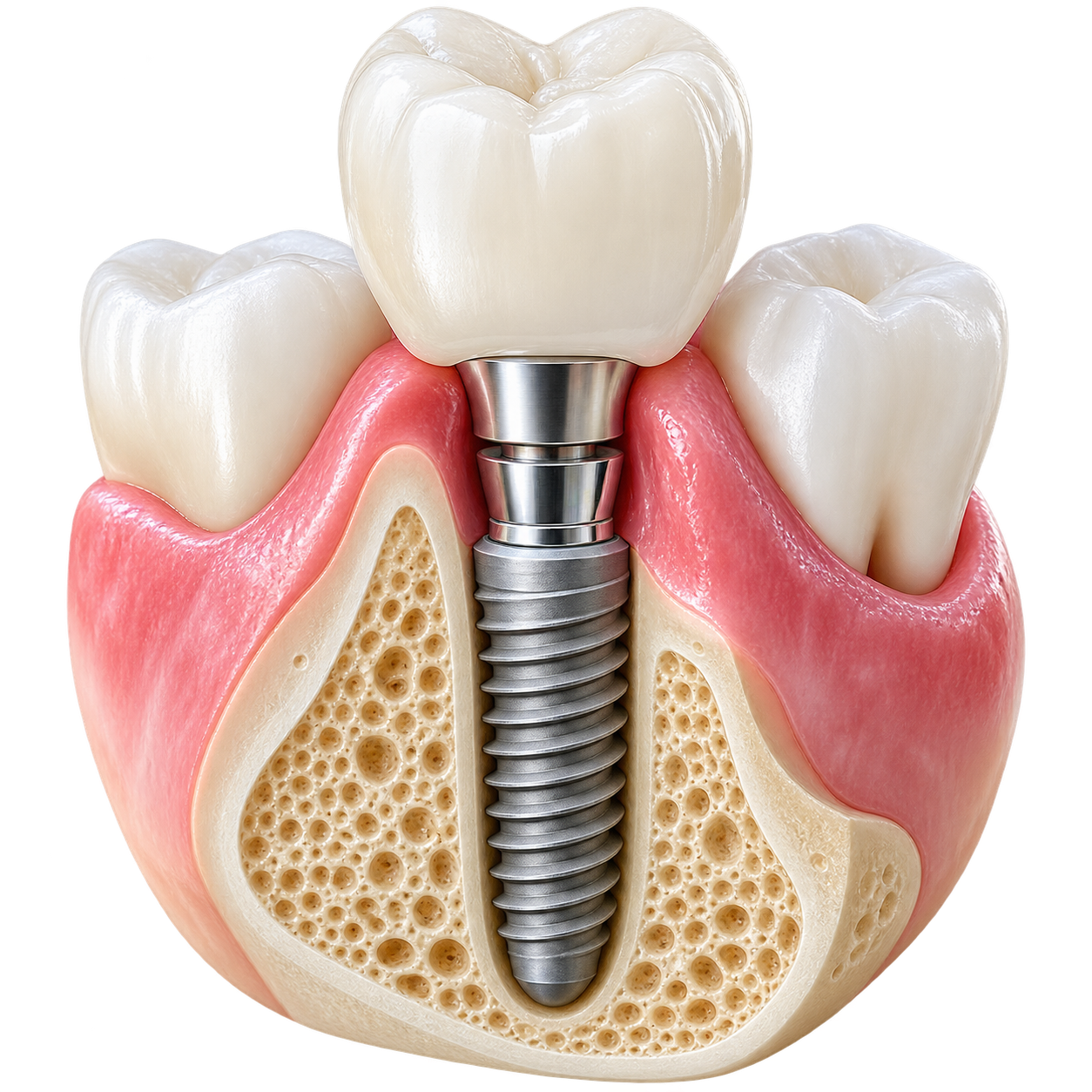
Suitable for people missing one or a few teeth, after the dentist’s examination and assessment.
Designed in shape, colour and bite to match your other teeth. The crown sits on the implant and does not use the two neighbouring teeth as supports.
Connects the implant to the crown above. The dentist chooses an abutment that suits the tooth position and the gum tissue.
Usually made of titanium and placed in the jawbone to replace the lost root. The bone needs time to heal and bond with the implant surface.
The right choice depends on your neighbouring teeth, jawbone, health and budget.
| Criteria | Single implant | Porcelain bridge | Removable denture |
|---|---|---|---|
| How it is supported | An implant in the bone supports the crown. | The teeth on both sides hold the replacement tooth in the middle. | A base and retaining parts hold it in place during use. |
| Neighbouring teeth | No need to grind them for a bridge. | The supporting teeth usually need preparing. | Depends on the design and how it is held. |
| Treatment | Involves surgery and healing time. | Usually no implant; timing depends on the supporting teeth. | Less invasive; taken out for cleaning. |
| Things to consider | Bone, health, cost and maintenance. | Health and load capacity of the supporting teeth. | Comfort, stability and hygiene. |
A missing tooth does not always hurt. Even so, chewing, tooth positions and the bone in the gap can change over time.
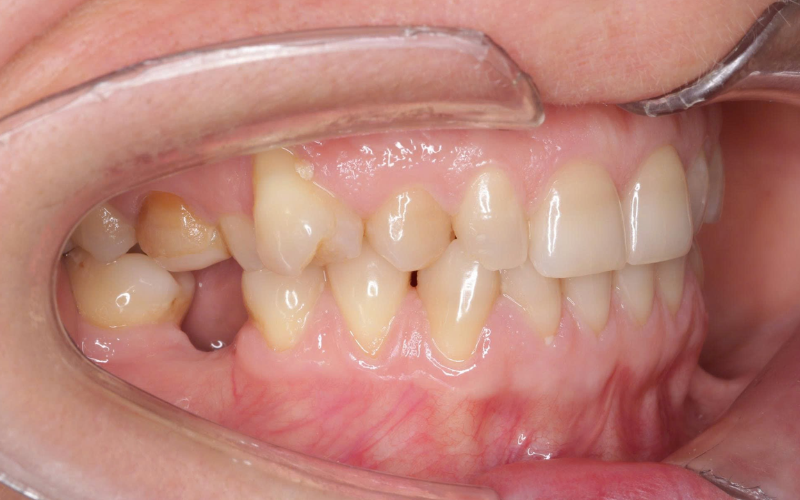
A missing tooth can make biting less effective; many people start chewing on one side, which unbalances the bite and tires the jaw.
Without a root to stimulate it, the bone in the gap may shrink, making later restoration more complex.
Neighbouring teeth may tilt into the gap and the opposing tooth may drift, changing the bite and making cleaning harder.
A gap in the front or visible teeth can make people self-conscious, and speech may change too.
The implant replaces the lost root, keeping the crown stable and helping spread chewing forces when correctly indicated.
The implant restoration stands on its own in the gap and usually does not require grinding the two neighbouring teeth like a bridge.
Chewing forces through the implant help keep the bone in the gap stimulated and support facial contours.

The crown is designed to match the colour and shape of your teeth and can be cleaned daily as the dentist advises.
The implant tooth is fixed firmly in the gap and does not move when you talk, so speech feels natural and you can smile with confidence.
An implant integrated with the jawbone can serve for many years; longevity depends on bone condition, oral hygiene and regular check-ups.
If you have lost one or a few teeth, you can talk to the dentist about implants to choose a suitable restoration.
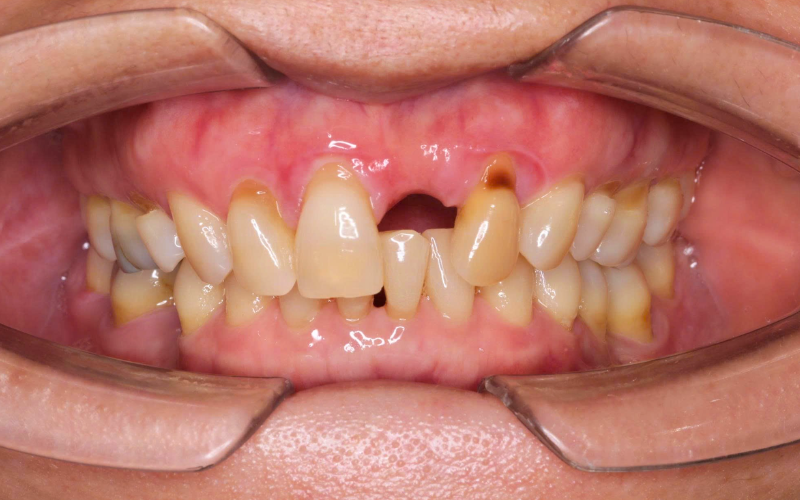
A front or back tooth is missing, the gap remains and you would like a fixed tooth.
Ask about this case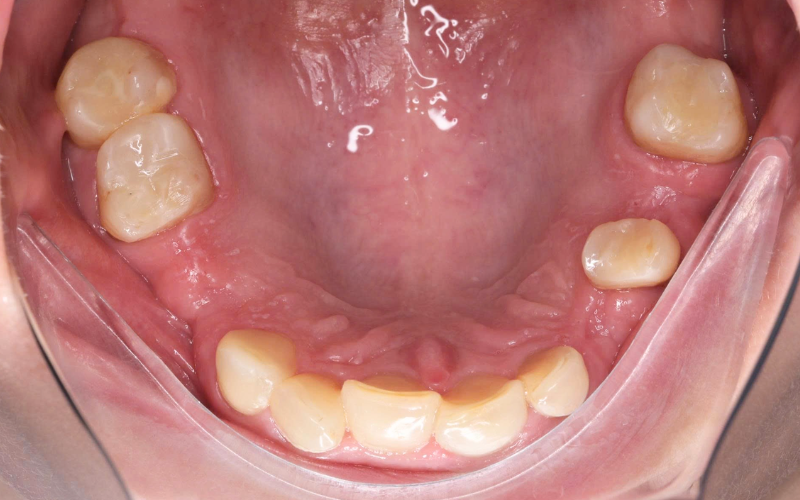
The missing teeth may be next to each other or apart. The number of implants and the approach are decided case by case.
Ask about this case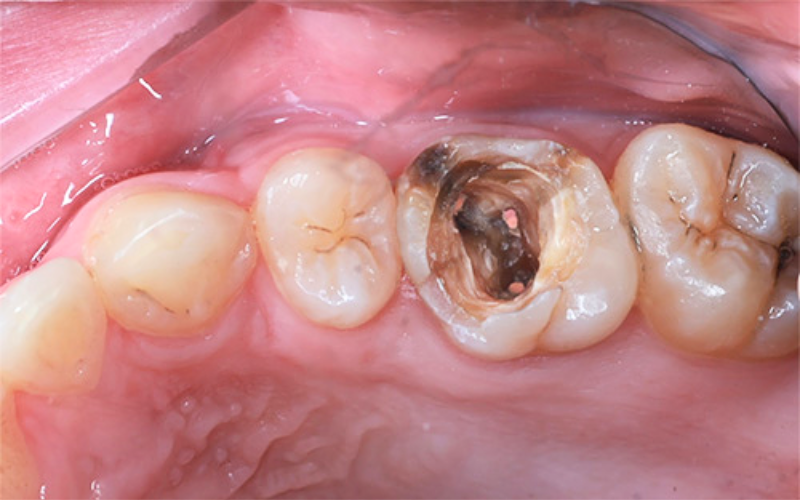
The tooth is first assessed for whether it can be saved. Replacement is only considered when the dentist finds it cannot be kept.
Ask about this case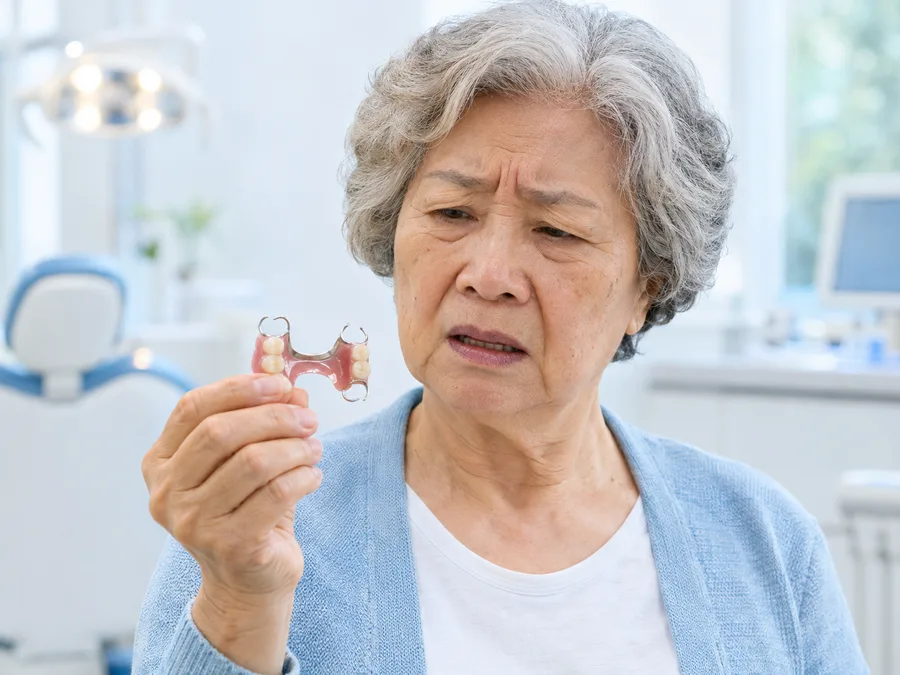
You would like to explore implants for a remaining gap, or your current bridge or denture no longer suits you.
Ask about this caseNote: Dental implants are not suitable for people under 18 (jawbone not fully developed), pregnant women, people with uncontrolled medical conditions (severe diabetes), patients undergoing head and neck chemotherapy or radiotherapy, or those treating osteoporosis with bisphosphonates. A Viet Han dentist examines and assesses each case before recommending a suitable treatment plan.
Close supervision from examination and implant placement to the final porcelain crown.
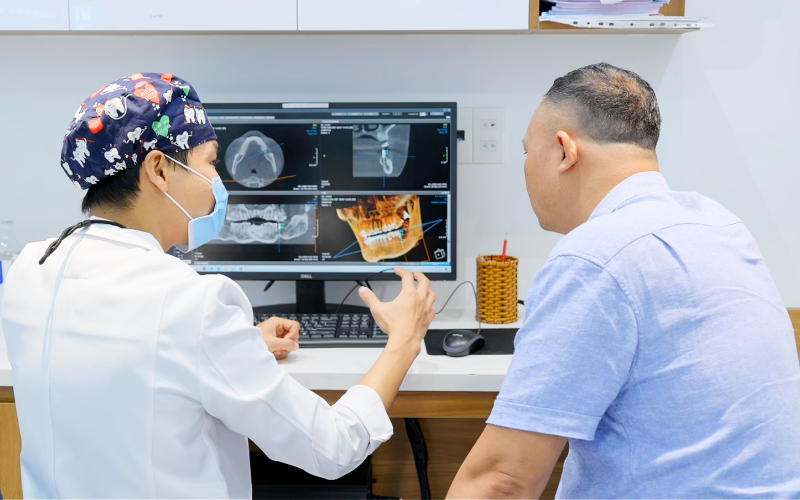
The dentist assesses your mouth, bone volume, soft tissue and general health.
Implant positions, implant brand, temporary teeth, timeline and estimated costs are agreed.
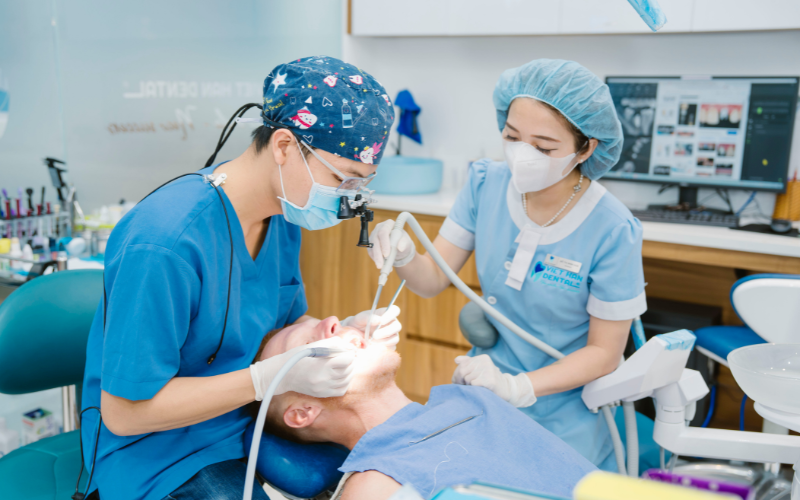
Implants are placed as planned, with aftercare guidance and check-ups to monitor osseointegration.
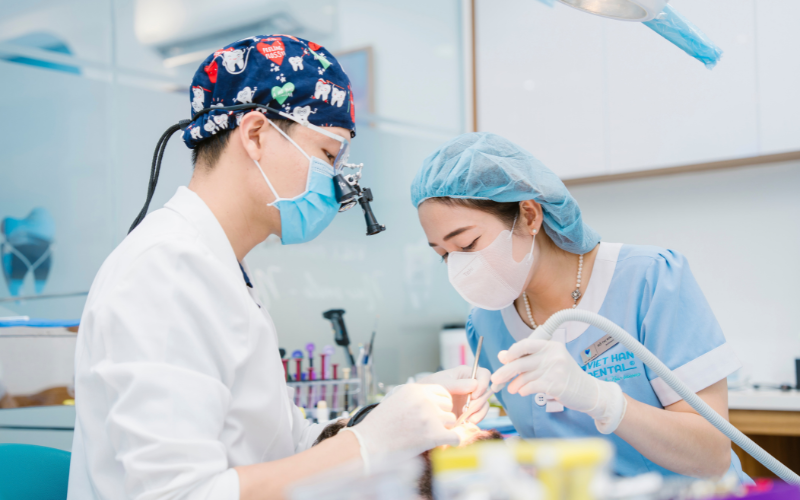
Digital impressions, bite try-in and final fitting once the implants can bear chewing forces.
Note: The time between stages depends on bone quality, healing and your dentist's assessment at each check-up.
Ask about the processThe dentist explains the plan before each stage so you know exactly what happens at every appointment.
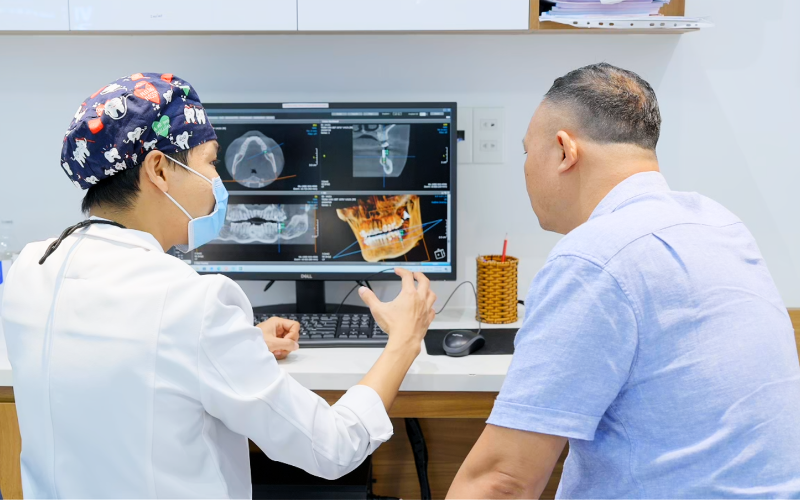
First, you will have a CT Cone Beam 3D scan together with a general oral examination. The dentist assesses the gap, the neighbouring teeth, the jawbone and other related factors to build a suitable treatment plan.
Based on the results, the dentist explains in detail the implant position, the implant system, the type of crown, the expected timeline and the cost. Important notes are also explained clearly so you can consider everything before deciding on treatment.
Before the implant surgery, you will have health checks as indicated, such as blood pressure, blood sugar and blood clotting tests. Please tell the dentist about any underlying conditions such as diabetes, heart disease or high blood pressure, and any medicines you are taking, so the plan can be adjusted and you can be monitored properly throughout treatment.
Before the implant treatment begins, you receive a detailed consultation on the treatment plan and sign a contract, ensuring your rights and full transparency throughout the process.
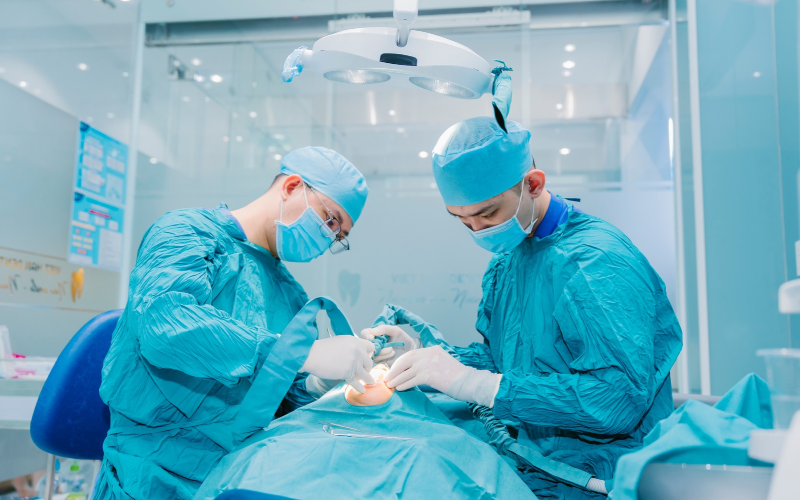
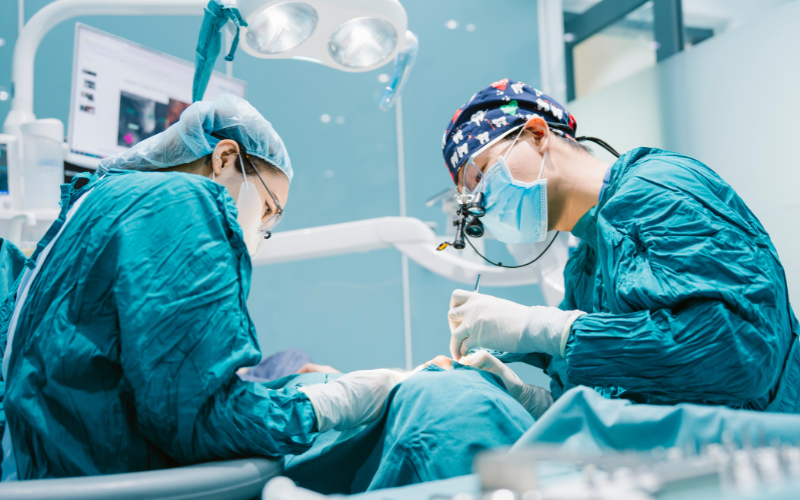
The implant surgery is performed in a sterile treatment room with a closed aseptic environment. You will receive local anaesthesia, so the procedure is completely painless. The process is explained clearly at the examination so you can feel at ease.
With modern equipment such as the Piezotome to reduce trauma, PRF to speed up healing and modern laser technology, implant placement at Viet Han is gentle and safe.
After surgery, the dentist prescribes medication to relieve pain, reduce inflammation and prevent infection.
After about one week, you return for a follow-up visit.
The dentist checks how well the implant is integrating with the jawbone, monitors the wound and treats any unusual signs promptly.
Once the implant is stable – usually after 6 to 12 weeks – impressions are taken and the porcelain crown is fitted onto the implant.
The new tooth is custom-made to fit precisely, firmly and naturally, matching your other teeth. After treatment you can chew comfortably and enjoy a confident smile again.
*If there is significant bone loss, the plan may need an extra bone-grafting step before or during implant placement.
Treatment usually includes implant placement, a waiting period while the implants bond with the bone, and making the final arch. The dentist will give you a specific schedule after the examination.
Depending on the tooth position, the dentist may suggest a temporary tooth, especially for front teeth. Chew gently and follow the advice.
Infection, lack of bone, bone grafting or healing speed can change the treatment schedule.
Usually two main trips: implant placement and fitting the final teeth, plus scheduled check-ups. Complex cases may need more.
Talk to the dentist in advance about your teeth and length of stay to get a suitable treatment schedule.
Good preparation, working with your dentist and proper care help you feel in control at every stage. Specific instructions are adjusted to your health and treatment plan.
Prepare well for peace of mind
Share your health history: Tell the dentist about medical conditions, allergies, medicines and supplements you take, especially blood thinners and osteoporosis medication.
Bring your records: Bring previous scans, dental records and your dentures if you have them; mention smoking, teeth grinding and what you hope to achieve.
Examination and an agreed plan: Your mouth and jawbone are checked and any conditions treated as indicated. Ask clearly about the option, temporary teeth, cost and appointments.
Follow the instructions: Eat, take medicines and arrange someone to accompany you as advised. Do not stop your usual medicines on your own; limit smoking and alcohol as advised.
Speak up so the dentist can help in time
Managing discomfort: The dentist usually uses local anaesthesia. If you feel very anxious or have special needs, discuss suitable support beforehand.
Tell us if you feel unwell: If you feel pressure or pain, dizziness, nausea or discomfort, signal so the dentist can check.
Stay relaxed and cooperative: Keep the position you are guided into and avoid sudden movements. Signal if you need a break or want to ask something.
Know the next steps: Before leaving, confirm instructions on medicines, eating, cleaning, follow-up visits and temporary teeth.
Daily care, long-term follow-up
Rest and wound care: Swelling, bruising or pain may occur to different degrees. Bite on gauze and use cold packs as advised; avoid vigorous rinsing and touching the area.
Take medicines as prescribed: Do not increase the dose, add or stop medicines without talking to the dentist.
Soft food, gentle chewing: Avoid very hot, hard or chewy food. With temporary teeth, follow the special diet and do not test them by chewing hard.
Clean correctly: Clean your teeth and around the restoration as instructed for each stage; do not poke the wound or use sharp objects.
Keep your follow-up visits: Healing, implant stability and the bite are checked; keep up regular care after the final teeth are fitted.
Dentist
Dr. Quan has advanced training in dental implants, full-arch rehabilitation and basic maxillofacial surgery.

Dentist
Dr. Thinh’s strengths are dental implants, aesthetic restorations and oral surgery, with a focus on conservative, precise treatment tailored to each clinical situation.

Dentist
Dr. An is a specialist in aesthetic orthodontics.

Dentist
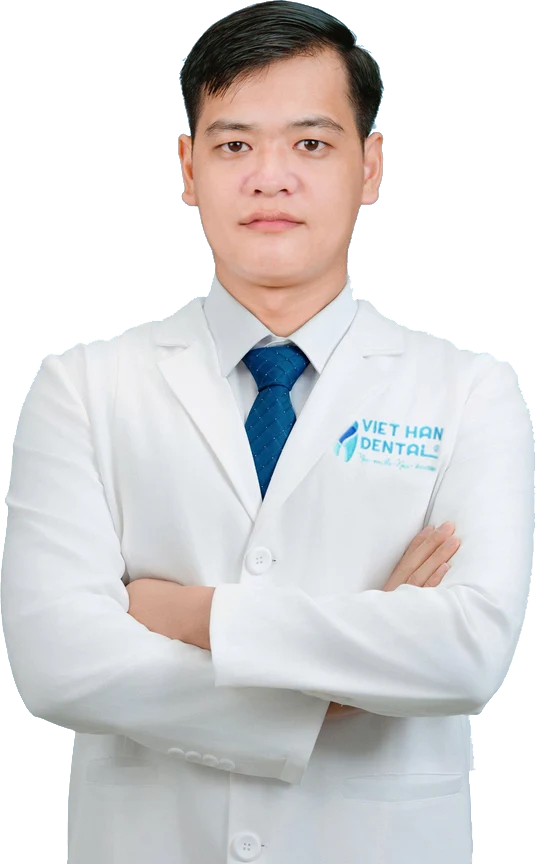
Dr. Duc is a specialist in dental implants, oral surgery and aesthetic restorations.
Dentist
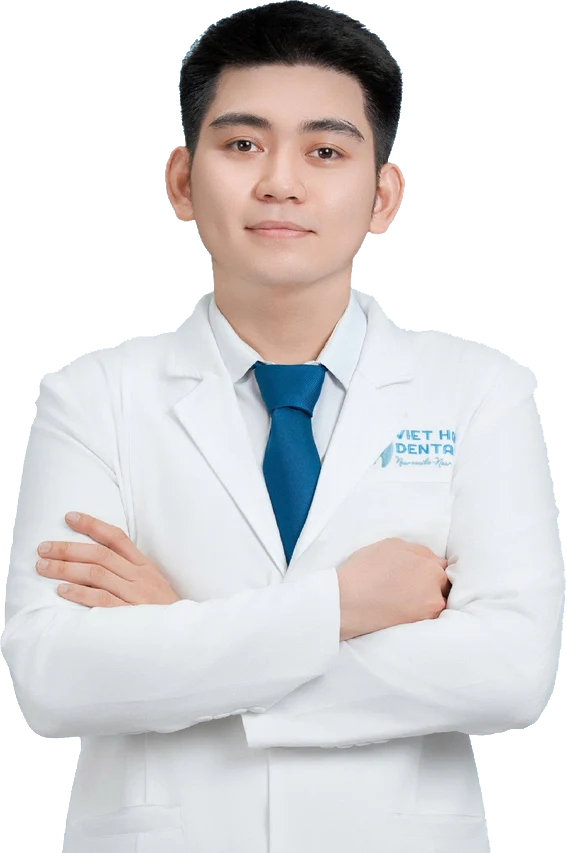
Dr. Lam stands out for his in-depth expertise in oral surgery and aesthetic restorations.
First, separate the price of the implant + abutment from the price of the porcelain crown.
The artificial root and connector. Prices vary by brand, origin and implant line.
The tooth you chew with, fitted on the abutment. Available as porcelain fused to metal or all-ceramic.
Imaging, a temporary tooth, bone grafting or a surgical guide — only when your dentist recommends them.
Listed prices help you budget in advance. When several teeth are missing, the cost depends on the actual number of implants, abutments, porcelain crowns and any supporting procedures; the treatment plan and final cost are confirmed after the examination.
| Restoration | Details | Cost |
|---|---|---|
Implant + abutment | ||
| Dio Implant (South Korea) + Abutment | 1 tooth · Warranty 7 years | 12,900,000 VND |
| Neodent Implant (Switzerland) + Abutment | 1 tooth · Warranty 10 years | 19,900,000 VND |
| STRAUMANN Implant BLT – SLA (Switzerland) | 1 tooth · Warranty 15 years | 32,000,000 VND |
| STRAUMANN Implant BLT – SLActive (Switzerland) | 1 tooth · Warranty 15 years | 34,000,000 VND |
Crown on the implant | ||
| Standard metal-porcelain crown on implant | Warranty 5 years | 6,000,000 VND / tooth |
| Premium all-porcelain crown on implant | Warranty 10 years | 9,000,000 VND / tooth |
Additional costs when indicated | ||
| Bone grafting / Barrier membrane grafting | As clinically indicated | 5,000,000 VND – 10,000,000 VND / tooth |
| Surgical guide template | First implant | 2,000,000 VND |
Choose an implant and a crown to see a reference cost.
Estimated cost
43,000,000 VND 34,000,000 VND + 9,000,000 VNDExcludes promotions and any additional treatment that may be needed.
Your exact cost is confirmed after an examination.

Just tell us roughly how many teeth are missing, for how long, and what is worrying you. You do not need to choose an implant system or method yourself.
Worried about pain, cost or where to start? You can share it all with us.
Viet Han Dental team
Viet Han uses genuine implants with clear origin and identification details. Based on your jawbone, the tooth position and your needs, the dentist recommends a suitable implant line.
A Korean implant system at a reasonable cost, often considered for single-tooth restoration when the jawbone is favourable. Your dentist reviews your scans before recommending it.
An implant system from the Straumann Group, used at Viet Han for single teeth and for All-on-4 and All-on-6 full-arch options.
Swiss Straumann implants with an SLA surface — a premium line for single and full-arch restorations, with identification details and warranty for each implant.
The SLActive surface was developed by Straumann to support osseointegration; your dentist may consider it when a shorter waiting time is needed, depending on your jawbone.
Viet Han understands that every diagnosis and treatment plan shapes each patient’s smile and facial appearance. Our dentists continually develop their expertise, placing treatment quality and the preservation of natural teeth first, with a commitment to professional growth and attentive care.

Digital impressions and clear images help the dentist assess your teeth and explain treatment options.

A specialised device used in regenerative medicine, aesthetics and dentistry to separate platelet-rich plasma from the patient’s own blood.

X-ray images help the dentist evaluate teeth and jaw structures and plan appropriate treatment.

Proprietary digital orthodontic treatment planning and 3D simulation software developed by Align Technology and used in the Invisalign clear aligner system.

The dental unit supports the dentist’s work and patient comfort in the treatment room.

Deep-cleans instruments, removing organic matter, blood, plaque and bacteria from surfaces and narrow grooves before sterilisation.

Ultrasonic technology assists the dentist during procedures selected according to clinical needs.

Emits short-wavelength ultraviolet light in the UV-C range to kill or inactivate pathogens.

Waiting becomes lighter and more enjoyable in a thoughtfully prepared lounge. Patients can relax with magazines, while books and comics on many topics are set aside for our youngest visitors. The lounge also offers plenty of ways to unwind: from online games to familiar board games such as chess, ludo or go. Adults and children alike can always find something to enjoy while they wait.

After your scans, you sit down with a consultant and the dentist to understand the health of your smile and the treatment plan that suits you best. During the consultation, your dentist explains the examination findings, the planned treatment steps and how to prepare. You can share your expectations and ask about timing, costs and aftercare to help choose an appropriate option together. A quiet room makes it easier to have an open, clear and comfortable conversation.
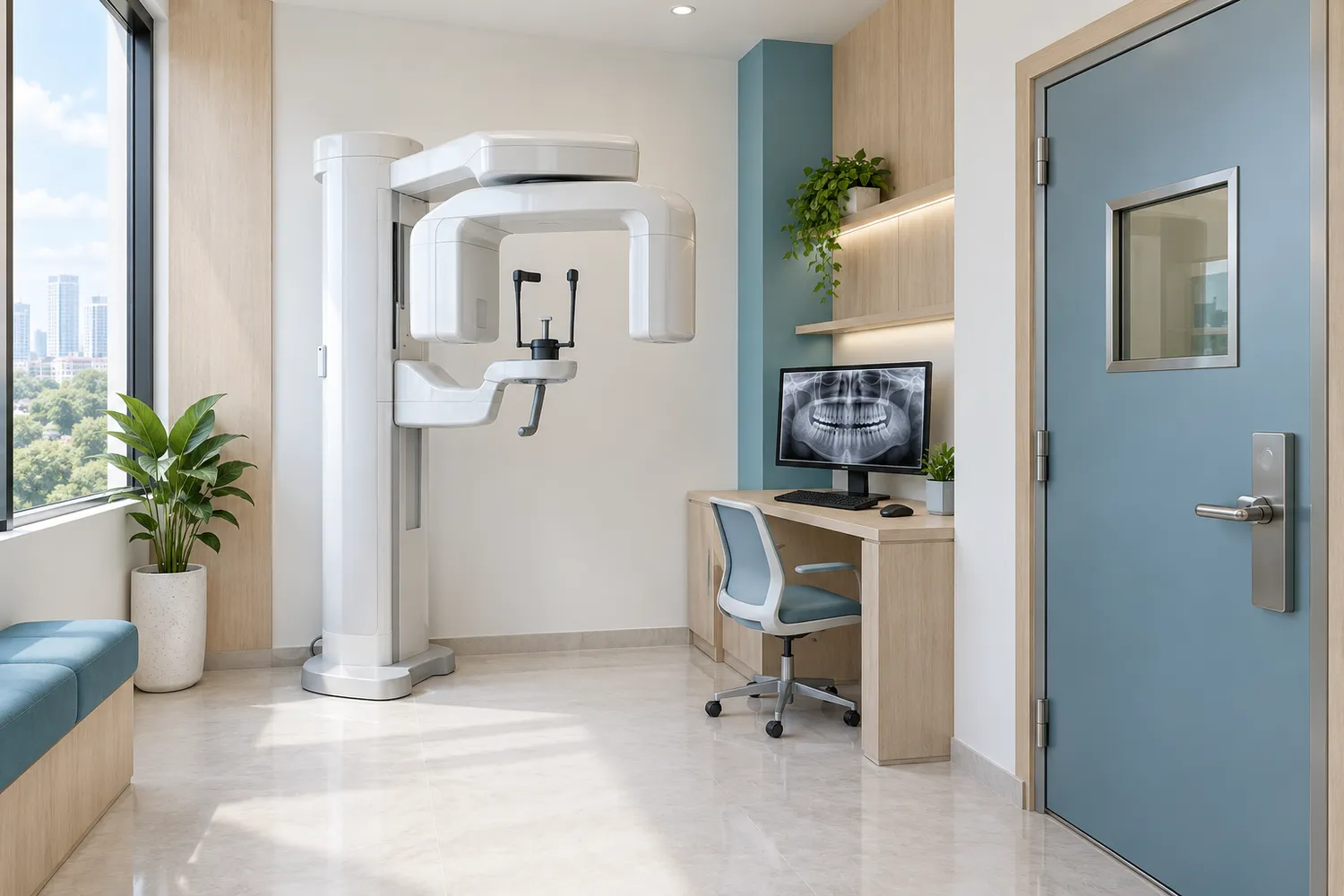
X-ray images let the dentist see the teeth, roots and jawbone, adding the information needed for an accurate diagnosis and a suitable treatment plan. The dentist chooses the right type of imaging for your condition and treatment needs, and the Viet Han team guides and supports you throughout.

The light well at Viet Han brings in natural sunlight and lets fresh air flow between floors, keeping the space airy and pleasant. A small fish pond with gently moving water adds life and calm, while carefully tended greenery brings nature closer to every visit. A peaceful corner where you can relax and feel at ease at the dentist.

Private treatment rooms help you feel more at ease at every visit. A tidy layout, soft lighting and modern equipment support the dentist in caring for your smile. Each step is clearly explained, and our attentive team stays with you so you always feel cared for.
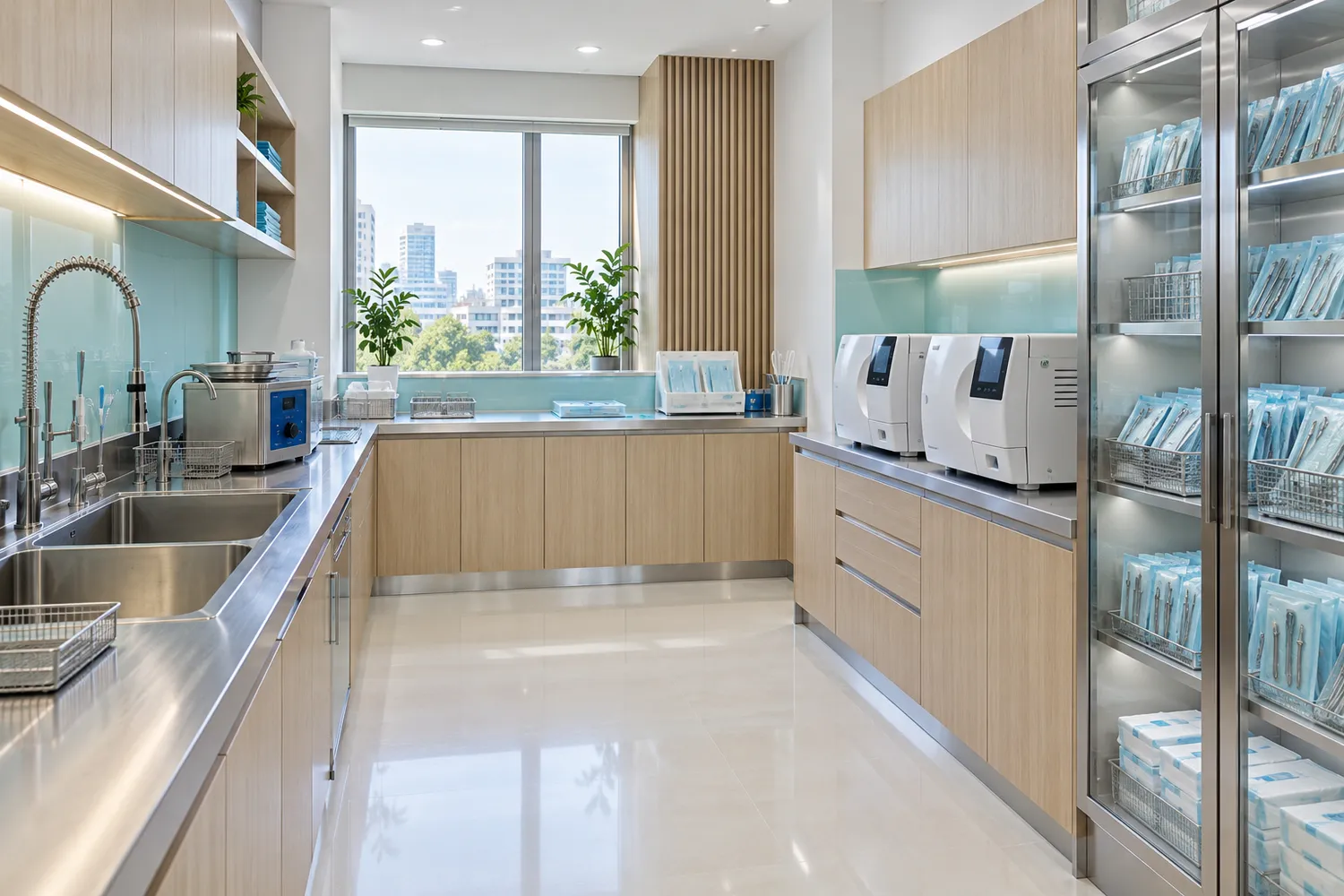
The sterilization room is dedicated to reprocessing dental instruments. Cleaning, packaging, sterilizing and storage each play a part in infection control during treatment. The room is divided into functional zones so instruments are handled and stored in an orderly way, keeping used and sterilized instruments clearly apart.
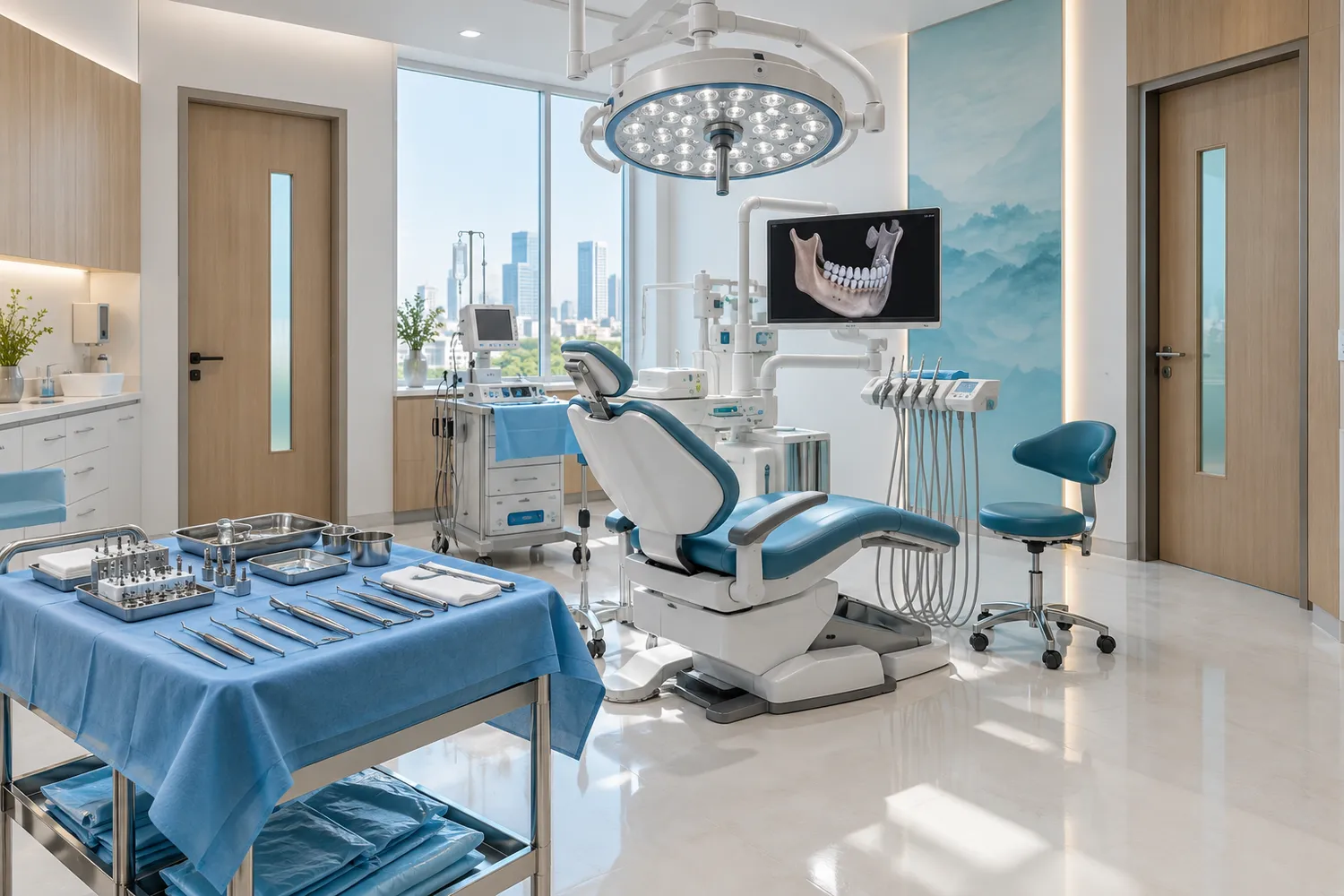
The surgical suite follows a one-way layout that separates functional areas and movement routes to support infection control throughout each procedure. Equipment and instruments are prepared for every individual surgery, and the team works closely together from preparation to monitoring, with your safety and peace of mind first.

After surgery, patients can rest in the recovery room as advised by the dentist. The quiet, private space helps you relax before going home. The medical team monitors your condition after treatment, helps whenever needed and explains how to care for yourself at home. Rest time is adjusted to each patient.
With many years of experience in dental implants, Viet Han combines formally trained dentists with modern diagnostic, surgical and prosthetic systems to build a clear treatment plan for every patient.

Viet Han Dental operates under a medical examination and treatment licence issued by the Department of Health. You can view the licence at the clinic.

Our implant dentists have advanced training in implant placement, full-arch restoration and surgery; their degrees and certificates are listed in their profiles.

Dentists treating patients at Viet Han hold practising certificates issued by the competent authority and work within their professional scope.
Real journeys of patients who started with different conditions and treatment plans at Viet Han Dental.
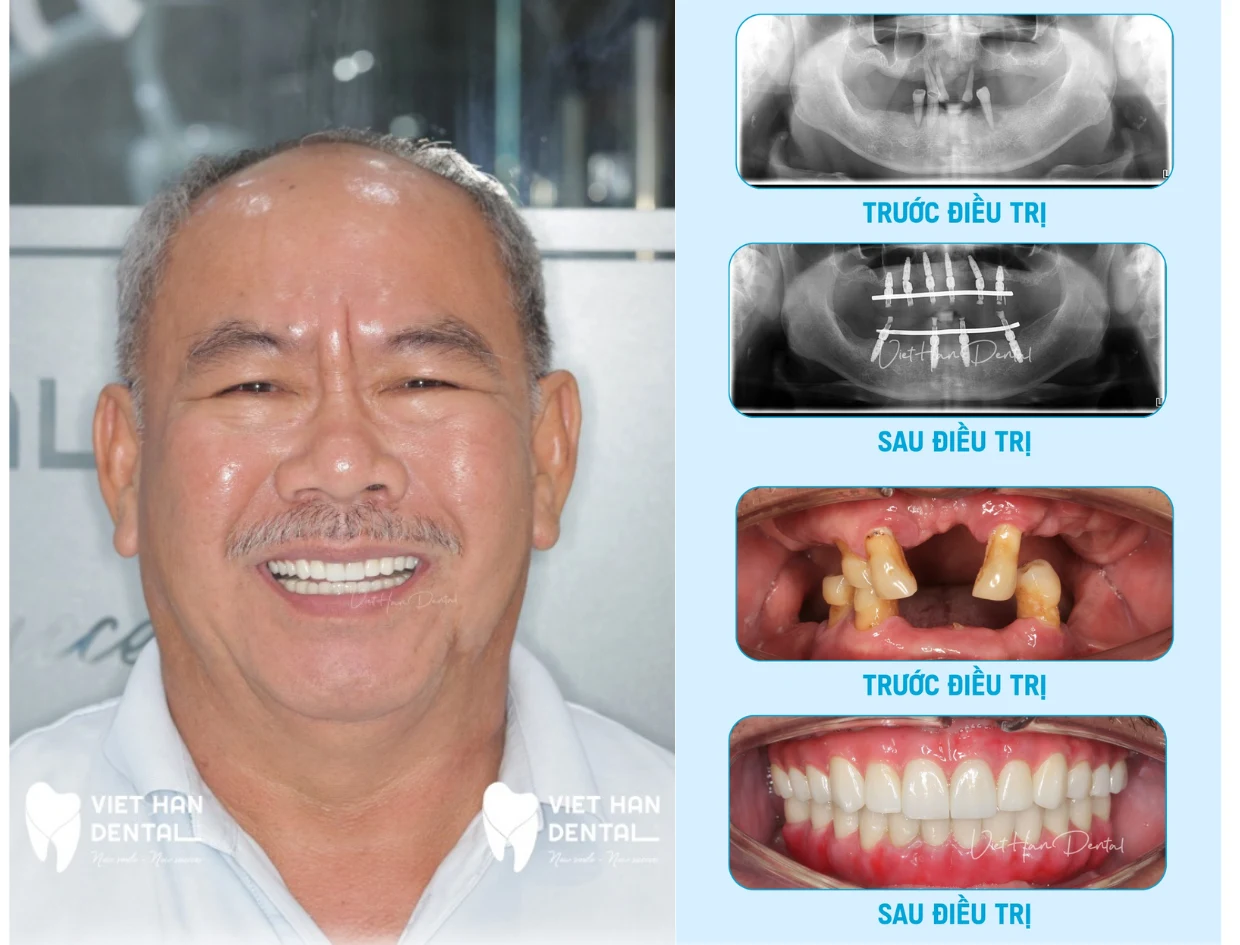
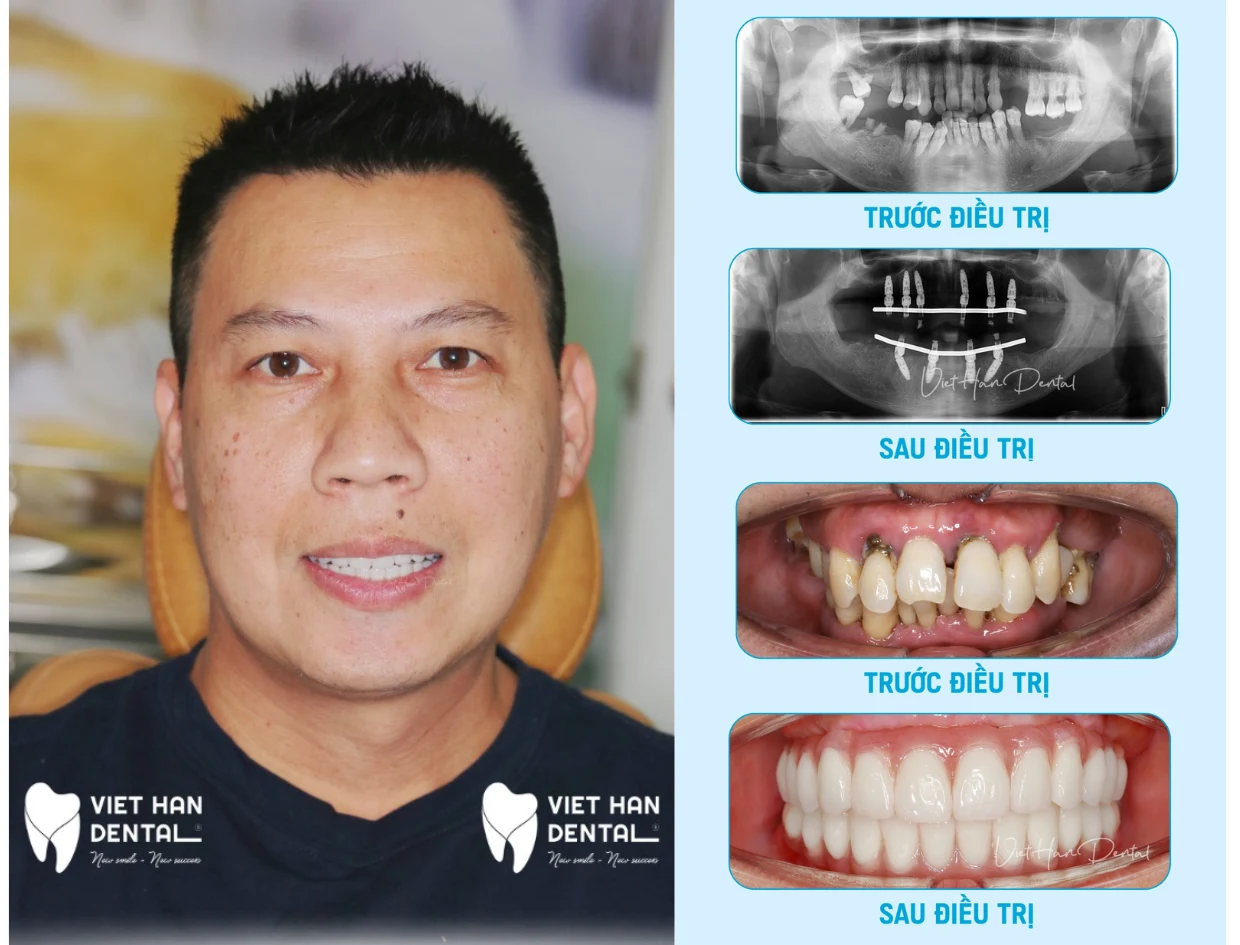
All-on-6 upper jaw · All-on-4 lower jaw
Long-term tooth loss made eating difficult, affected his daily life and left him unsure where to seek treatment.
The dentist planned a fixed restoration with All-on-6 on the upper jaw and All-on-4 on the lower jaw, based on the examination and X-rays.
After treatment, he chews more comfortably, his smile looks more balanced and he feels at ease enjoying time with his family.
One examination shows you the condition of your teeth, the options available and a plan that fits your life.
Book a single implant consultation
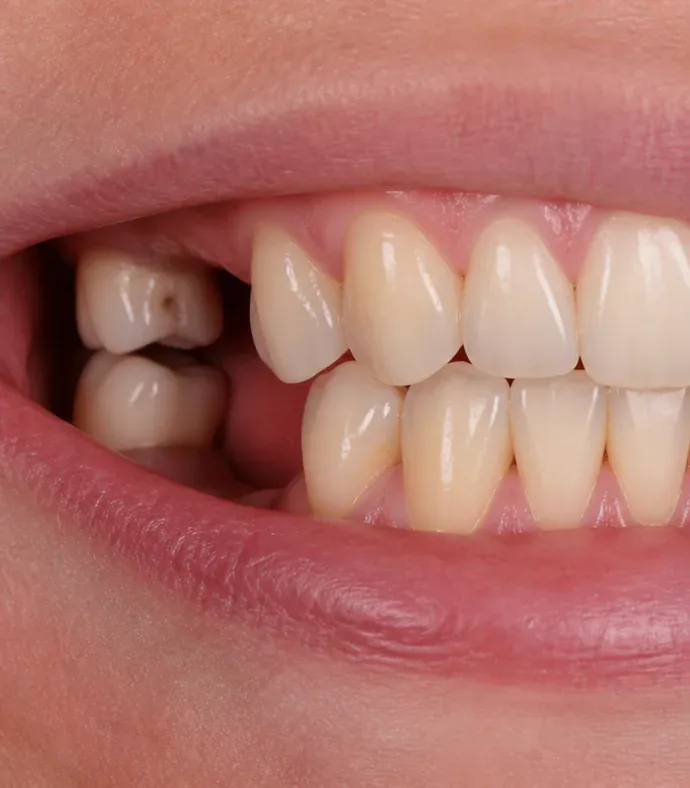 Before
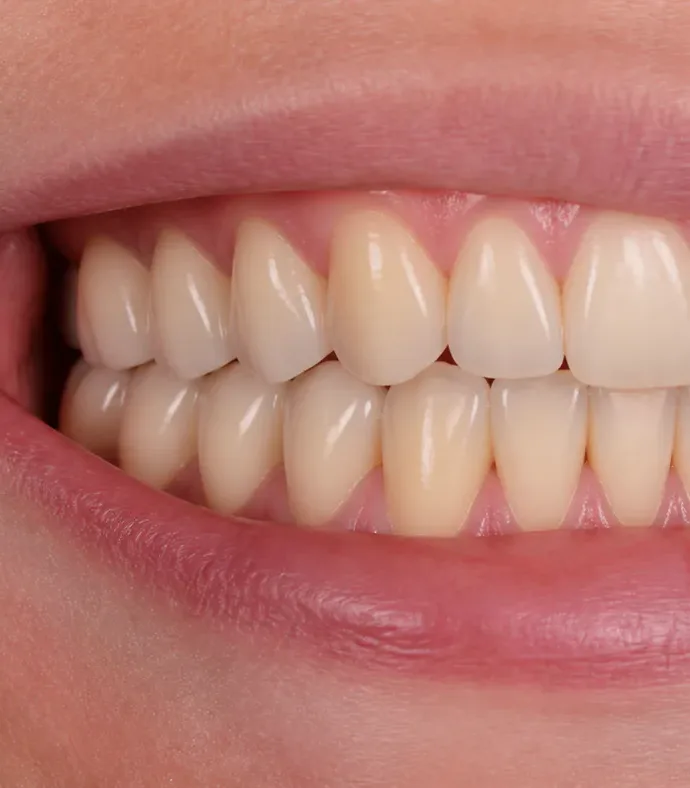 After
Yes, I am 100% satisfied. First of all, I won't pick a dental place without reading their review. My main concern was not to go through a place less than 4.5 stars, why? Well simple, I wouldn't want to fly back if something went wrong. But wow! Luckily I chose the right place. The staff was friendly. Ms. Hoan - my dentist was incredibly talented, very detailed, patience, warm, and not satisfied until I am happy with the work she did.

I am an expat in Nha Trang and luckily I found this clinic. I have my tooth removed here, it did not hurt as I imagined. Doctor and staff are professional and polite! Recommend to you!

My friend recommended me to visit this clinic. I made an appointment to Dr.Mary, she is the specialist from Brazil. And I totally loved it!❤️ I think it was my best time at the dentist ever. If you are in Nha Trang you should come to this clinic for sure. The dentist are very friendly and professional. The building looks very nice too.

I had my 4 wisdom teeths extraction in Viet Han Dental done. It was very gentle and calm even my case was kinda difficult. Very clean and professional, doctors and their assistants, also receptionist can speak English very well. Highly recommend !!!

If you need to go to a good dental clinic in Nha Trang, I would really suggest going to this place. The young woman who welcomes new patients and liaisons between foreign customers and the dentists how does a wonderful job. She has great English communication skills and she's very helpful and informative.

I highly recommend this clinic! The stuff is very friendly, hospitable and helpful! Also very client oriented, once I forgot my money, so they said I can bring it next time! Doctor Mary from Brazil is an amazing specialist! I treated all my teeth with her and even took one out, the procedure took about 5 minutes, highly professional! At last my teeth become whiter and shiny! Very thankful to her!

Patient impressions after dental implants at Viet Han Dental
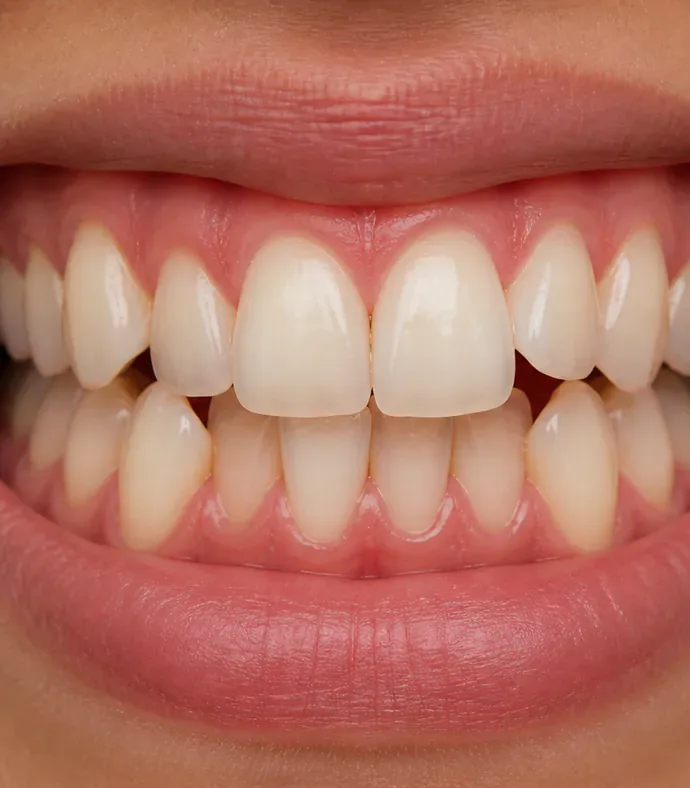 Before
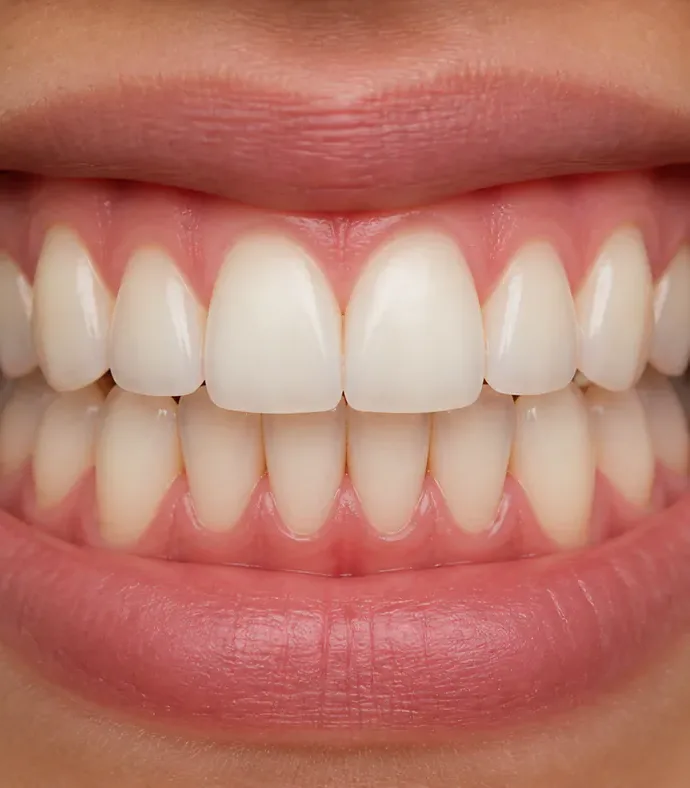 After
I am an expat in Nha Trang and luckily I found this clinic. I have my tooth removed here, it did not hurt as I imagined. Doctor and staff are professional and polite! Recommend to you!
My friend recommended me to visit this clinic. I made an appointment to Dr.Mary, she is the specialist from Brazil. And I totally loved it!❤️ I think it was my best time at the dentist ever. If you are in Nha Trang you should come to this clinic for sure. The dentist are very friendly and professional. The building looks very nice too.
I had my 4 wisdom teeths extraction in Viet Han Dental done. It was very gentle and calm even my case was kinda difficult. Very clean and professional, doctors and their assistants, also receptionist can speak English very well. Highly recommend !!!
If you need to go to a good dental clinic in Nha Trang, I would really suggest going to this place. The young woman who welcomes new patients and liaisons between foreign customers and the dentists how does a wonderful job. She has great English communication skills and she's very helpful and informative.
I highly recommend this clinic! The stuff is very friendly, hospitable and helpful! Also very client oriented, once I forgot my money, so they said I can bring it next time! Doctor Mary from Brazil is an amazing specialist! I treated all my teeth with her and even took one out, the procedure took about 5 minutes, highly professional! At last my teeth become whiter and shiny! Very thankful to her!
Yes, I am 100% satisfied. First of all, I won't pick a dental place without reading their review. My main concern was not to go through a place less than 4.5 stars, why? Well simple, I wouldn't want to fly back if something went wrong. But wow! Luckily I chose the right place. The staff was friendly. Ms. Hoan - my dentist was incredibly talented, very detailed, patience, warm, and not satisfied until I am happy with the work she did.
Xuan Quynh shares her orthodontic journey
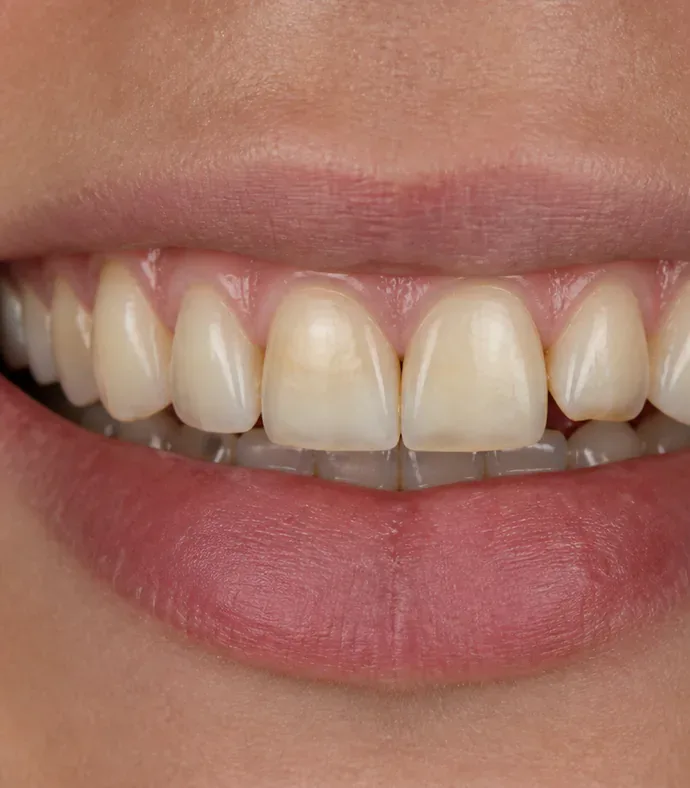 Before
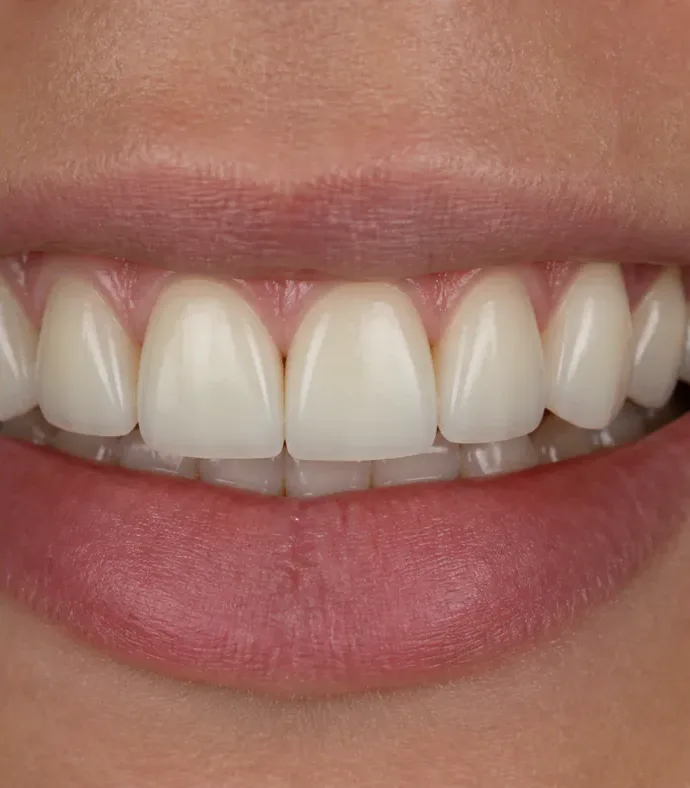 After
My friend recommended me to visit this clinic. I made an appointment to Dr.Mary, she is the specialist from Brazil. And I totally loved it!❤️ I think it was my best time at the dentist ever. If you are in Nha Trang you should come to this clinic for sure. The dentist are very friendly and professional. The building looks very nice too.
I had my 4 wisdom teeths extraction in Viet Han Dental done. It was very gentle and calm even my case was kinda difficult. Very clean and professional, doctors and their assistants, also receptionist can speak English very well. Highly recommend !!!
If you need to go to a good dental clinic in Nha Trang, I would really suggest going to this place. The young woman who welcomes new patients and liaisons between foreign customers and the dentists how does a wonderful job. She has great English communication skills and she's very helpful and informative.
I highly recommend this clinic! The stuff is very friendly, hospitable and helpful! Also very client oriented, once I forgot my money, so they said I can bring it next time! Doctor Mary from Brazil is an amazing specialist! I treated all my teeth with her and even took one out, the procedure took about 5 minutes, highly professional! At last my teeth become whiter and shiny! Very thankful to her!
Yes, I am 100% satisfied. First of all, I won't pick a dental place without reading their review. My main concern was not to go through a place less than 4.5 stars, why? Well simple, I wouldn't want to fly back if something went wrong. But wow! Luckily I chose the right place. The staff was friendly. Ms. Hoan - my dentist was incredibly talented, very detailed, patience, warm, and not satisfied until I am happy with the work she did.
I am an expat in Nha Trang and luckily I found this clinic. I have my tooth removed here, it did not hurt as I imagined. Doctor and staff are professional and polite! Recommend to you!
Maria shares how veneers completed her smile
Common questions before choosing a dental implant restoration.
Usually not. The implant supports an independent porcelain crown right where the tooth is missing.
Some suitable cases can receive an immediate implant. The dentist needs to check for infection, the bone walls, soft tissue and the expected stability of the implant.
Not necessarily. In suitable cases, the dentist may recommend 2 implants supporting a 3-tooth bridge to balance function and cost.
A bridge on implants is supported by artificial roots and does not require grinding the natural teeth on either side. You can ask your dentist to show which parts are supports and which are replacement teeth in each option.
The implant price in the reference list does not include the crown on the implant. The final cost is confirmed once the implant line, abutment and crown type are chosen.
It depends on bone quality and implant stability. The dentist will schedule impressions, try-in and fitting according to how osseointegration progresses.
Note when you lost your teeth, any chewing difficulties, previous treatments and your goals. Bring old X-rays or records if you have them, along with a list of medications, medical conditions and allergies.
Ask your dentist to show you how to clean around each implant and restoration with tools suited to your design. Keep the agreed check-up schedule and get in touch early if cleaning is difficult, you notice bleeding, a change in your bite or a loose restoration.