Assessing gum display
The dentist observes your natural smile, the crown length and the position of the upper lip in motion.



Identify the true cause of a gummy smile and choose the right option, from gum contouring and lip control to orthodontics or surgery, at Viet Han.



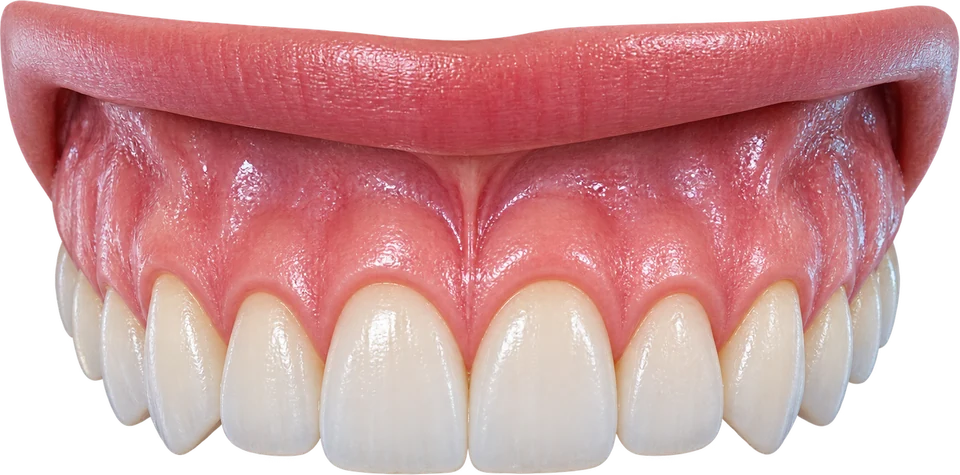
A gummy smile is when a lot of upper gum shows when you smile, making the balance between lips, gums and teeth less harmonious. It may be a purely aesthetic trait or involve several combined factors, so the cause must be diagnosed before treatment.
The dentist observes your natural smile, the crown length and the position of the upper lip in motion.
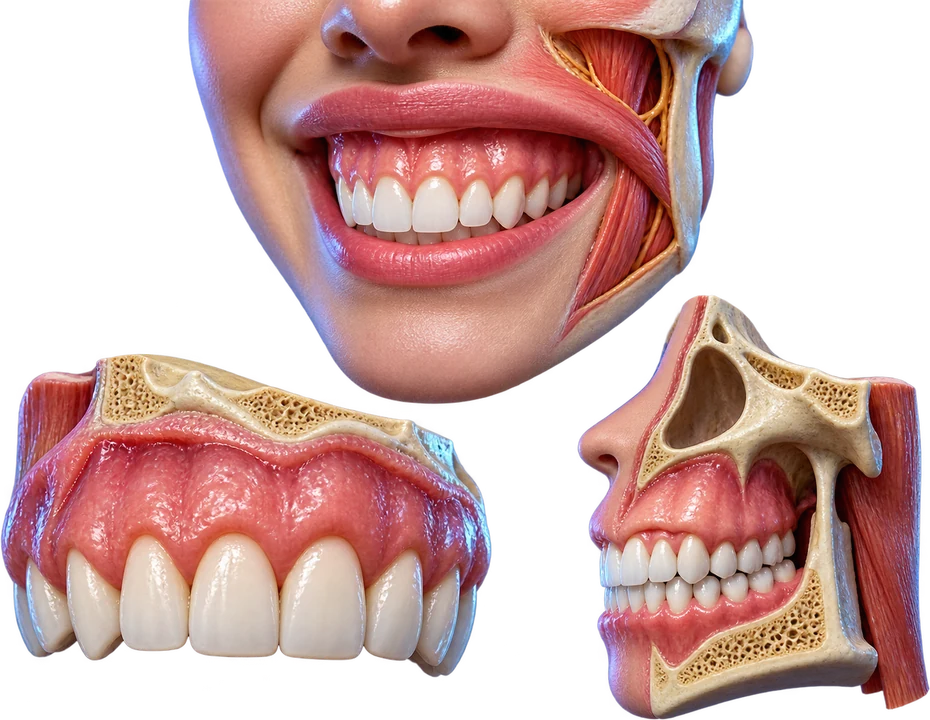
Gum covering the teeth, an overactive lip muscle, incompletely erupted teeth or the jaw relationship can all contribute.
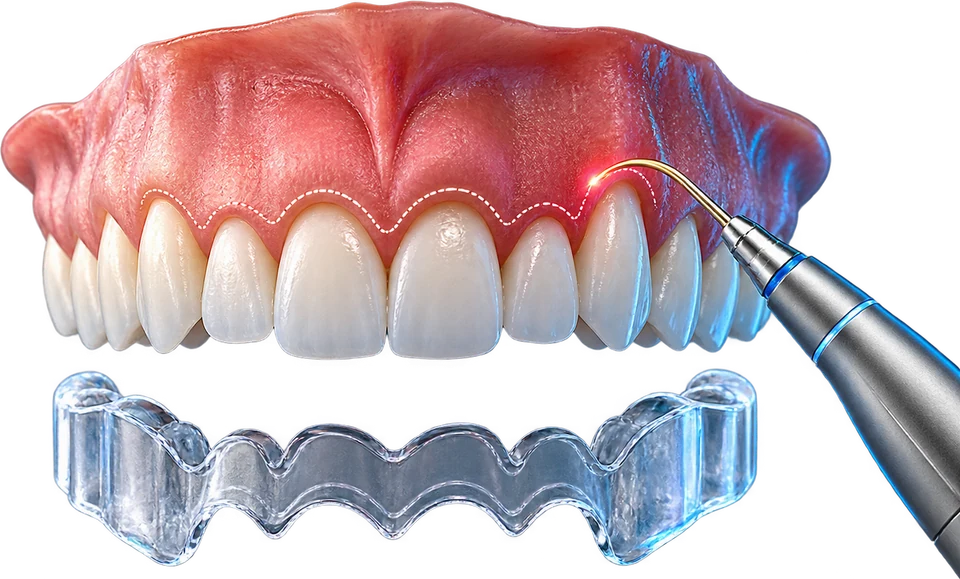
The gum contour and treatment limits are measured in advance to avoid over-treatment or imbalance.
See the overview and each key detail to understand the method before treatment.

The dentist observes your natural smile, the crown length and the position of the upper lip in motion.

Gum covering the teeth, an overactive lip muscle, incompletely erupted teeth or the jaw relationship can all contribute.

The gum contour and treatment limits are measured in advance to avoid over-treatment or imbalance.

Used when gum tissue covers the teeth and the underlying structure allows treatment.

In some cases, adjusting the lip muscle with a suitable, time-limited method may be considered.

Helps correct tooth position and bite relationship when the cause is related to the teeth.

One person may have several causes at once; the method should not be chosen from appearance alone.
The visible crowns look short even though the teeth underneath may be normal in size.
The upper lip rises high when smiling and reveals a lot of gum.
Tooth eruption position, tooth length and bone relationship can increase the visible gum.
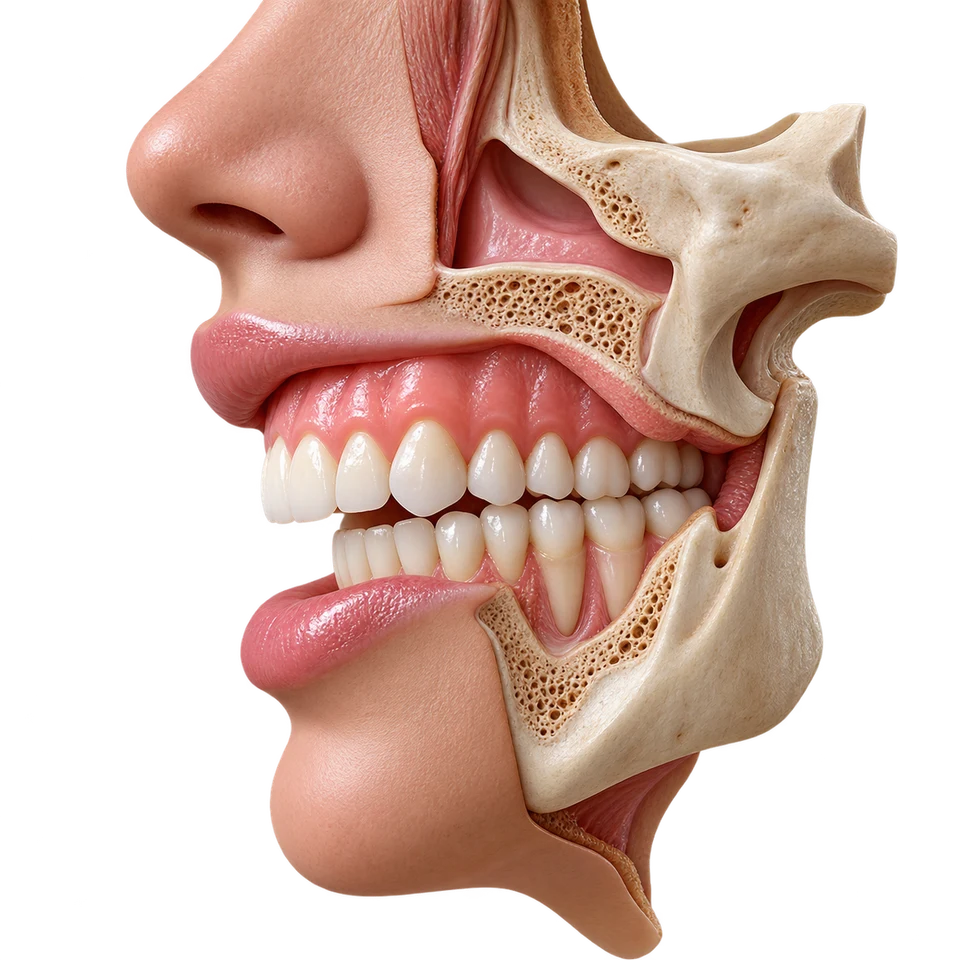
Vertical overgrowth of the upper jaw is a cause that needs more specialized assessment.


Used when gum tissue covers the teeth and the underlying structure allows treatment.

In some cases, adjusting the lip muscle with a suitable, time-limited method may be considered.

Helps correct tooth position and bite relationship when the cause is related to the teeth.

For causes involving bone or tissues around the teeth that need specialized treatment after full assessment.
Viet Han diagnoses the cause before choosing a technique.
The lips are recorded at rest and when smiling, and gum display and crown proportions are measured.
Bone, roots, gum thickness and the biologic width are assessed when needed.
The scope, limitations, recovery time and any need for multidisciplinary care are discussed.
Treatment is carried out as indicated, healing is monitored and the smile is re-evaluated on schedule.
Note: The timeline and scope depend on the condition of your teeth, gums and bite and on the dentist's recommendation after the examination.
Ask about the processFollowing your dentist's personalized instructions makes treatment and aftercare go more smoothly.
Share your expectations clearly: Explain what bothers you about color and shape and how natural you want the result to look.
Check your oral health: Treat decay, gum inflammation or active bite problems before restoration.
Understand the conservative options: Ask your dentist to explain the extent of preparation, the materials and any alternatives.
Confirm costs and timeline: Agree on the number of teeth, material, temporaries, try-in appointments and follow-up policy.
Avoid excessive force: Do not use the restored teeth to crush ice, open bottles or chew very hard objects.
Clean carefully along the gumline: Brush with the correct technique and use floss or a water flosser as instructed.
Pay attention to how your bite feels: Contact the clinic if your bite feels high, sensitivity persists, your gums bleed or food gets trapped unusually.
Attend follow-up visits on time: Checking margins, contact points and bite helps detect anything that needs adjusting early.
Every plan is built on close cooperation between the dentist, diagnostic data and continuous care.
Dr.
Eight pillars that make your treatment journey clearer, safer and more convenient.

Your dentist assesses your tooth shade, gums, bite and wishes before building a plan.

Tooth proportions, shade and smile line are tailored to each patient's face.

Photos, X-rays and digital scans help control the plan before treatment.

Porcelain lines, material details and warranty policies are clearly presented.

Instruments, treatment rooms and every procedural step are controlled under dental protocols.

You discuss and check the aesthetic details before the work is completed.

The number of teeth, materials and supporting treatment are explained before treatment begins.

Hygiene guidance, bite checks and a follow-up schedule are set from the very beginning.
Viet Han combines formally trained dentists with diagnostic data and a follow-up process to build the right plan for every patient.
Real cosmetic restoration journeys with different starting conditions and treatment plans at Viet Han Dental.
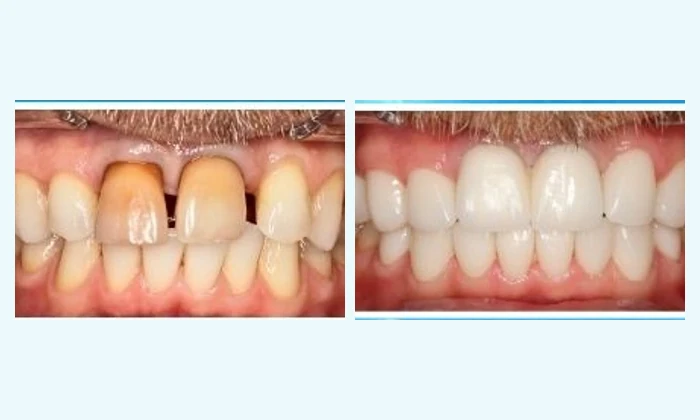
The patient took part in the shape and color try-ins and received aftercare instructions once treatment was complete.
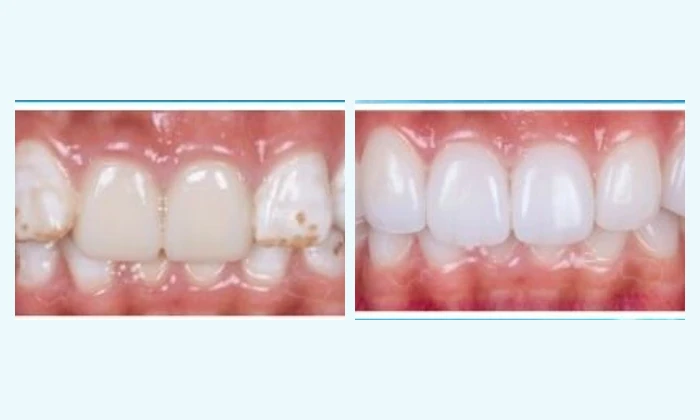
Smile design and cosmetic restoration
The patient wanted to improve the color, shape and harmony of the front teeth.
The dentist checked the underlying teeth, gums and bite before designing proportions, choosing the shade and selecting materials.
The final restoration was refined to suit the face and smile; actual results depend on the initial condition.
There is no single price for a gummy smile, as it may need gum contouring, orthodontics, lip control or surgery. An examination identifies the right items before costs are quoted.
| Service | Details | Cost |
|---|---|---|
Assessment and treatment | ||
| Examination and smile analysis | Cause identified before treatment | Confirmed by the dentist |
| Treatment of the underlying cause | Gums, lips, teeth or bone | Quoted after the examination |
Additional costs when indicated | ||
| Examination and cosmetic treatment planning | Depends on your actual condition | Confirmed by your dentist |
| Tooth or gum treatment before restoration | Only when clinically indicated | Quoted before treatment |
| Temporary restoration or mock-up | According to each individual plan | Confirmed by your dentist |
| Occlusal guard | For cases that need bite-force control | As indicated |

Every need is examined and planned individually to protect your long-term oral health.
Common questions before choosing the right treatment option.
In many cases it mainly affects appearance and confidence. If gum inflammation, bite problems or abnormalities of the surrounding tissue are involved, the dentist will assess further.
No. Gum trimming or contouring is only suitable when the cause and the structures around the teeth allow it.
Stability depends on the cause and technique. Muscle-control methods are usually time-limited, while structural treatments need longer healing follow-up.
Recovery time varies by method. The dentist will provide a specific care and follow-up schedule once the plan is agreed.
The dentist observes your smile and the proportions of lips, teeth and gums, checks the health of the surrounding tissues and discusses what you want to change. Depending on the findings, more data may be needed to analyze the cause.
Not everyone needs both. The order and scope of treatment depend on the cause of the gummy smile, the tooth shape and gum health.