Removes a source of pain and inflammation
Removing a problem wisdom tooth can ease pain and reduce repeated inflammation once healed.

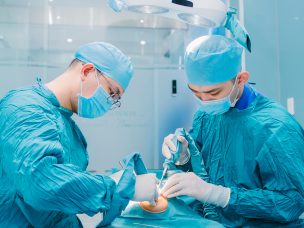
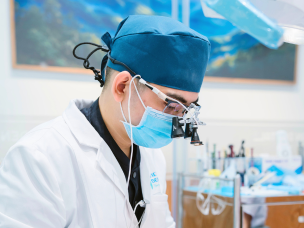
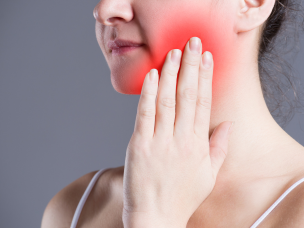
The dentist examines, takes X-rays and explains everything before extraction, and stays with you from consultation to recovery.
Tilted or impacted wisdom teeth can cause pain, inflammation and damage to neighbouring teeth. Viet Han helps you understand when removal is needed, the steps, costs and aftercare so you can talk openly with the dentist.
Wisdom tooth extraction removes the third molar (tooth 8) when indicated, to treat disease or limit related damage. Depending on position and difficulty, the dentist performs a routine extraction or minor surgery.
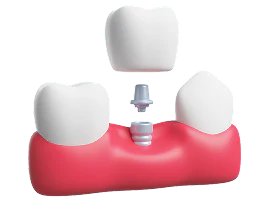
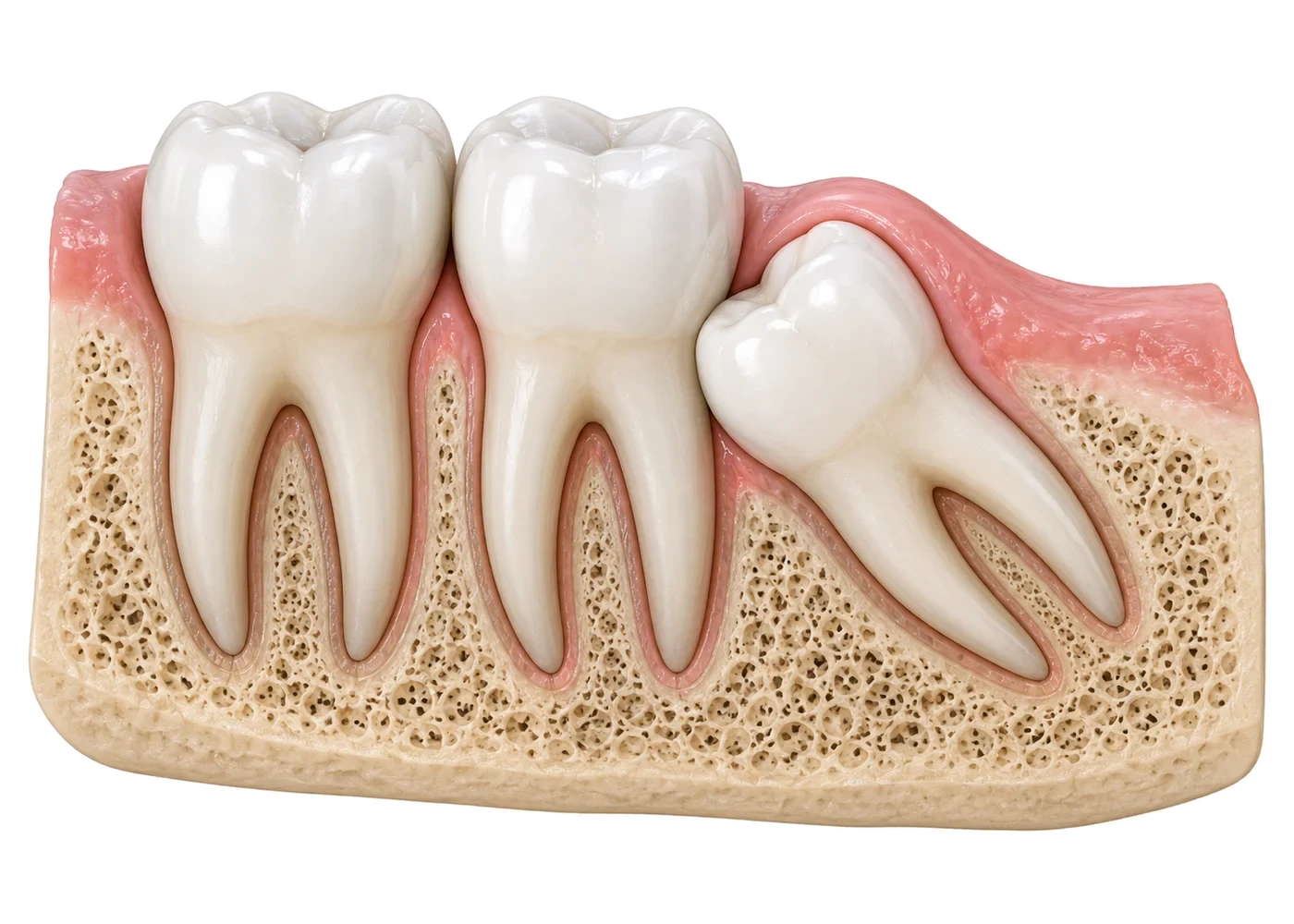 Tooth 7 Wisdom tooth (8) Gum
The dentist chooses or combines the right instruments for each case.
Elevators, forceps and surgical instruments are used, with a handpiece to open bone or section the tooth when needed.
Features: Suitable for many levels of difficulty, including impacted teeth when indicated. Time and cost depend on the tooth.
The device uses ultrasonic vibration to cut bone in a controlled way when needed. The dentist still combines other instruments to remove the tooth.
Features: May help limit soft-tissue injury and reduce swelling in some cases. It is not automatically faster or painless.
Not every wisdom tooth needs to come out. The dentist examines you, reviews X-rays and weighs benefits against risks before advising removal.
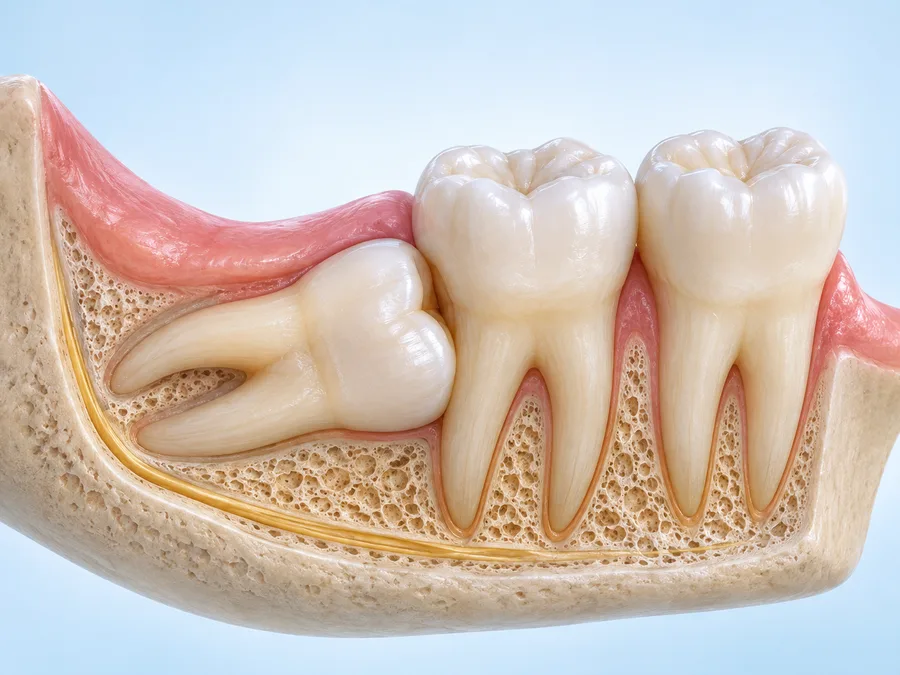
Needs assessment when the tooth grows out of place with pain, swelling or harm to neighbours.
A tilted, horizontal or impacted wisdom tooth may press on tooth 7, causing ongoing pain, cheek swelling or limited mouth opening. X-rays show its direction and impact.
Ask about this case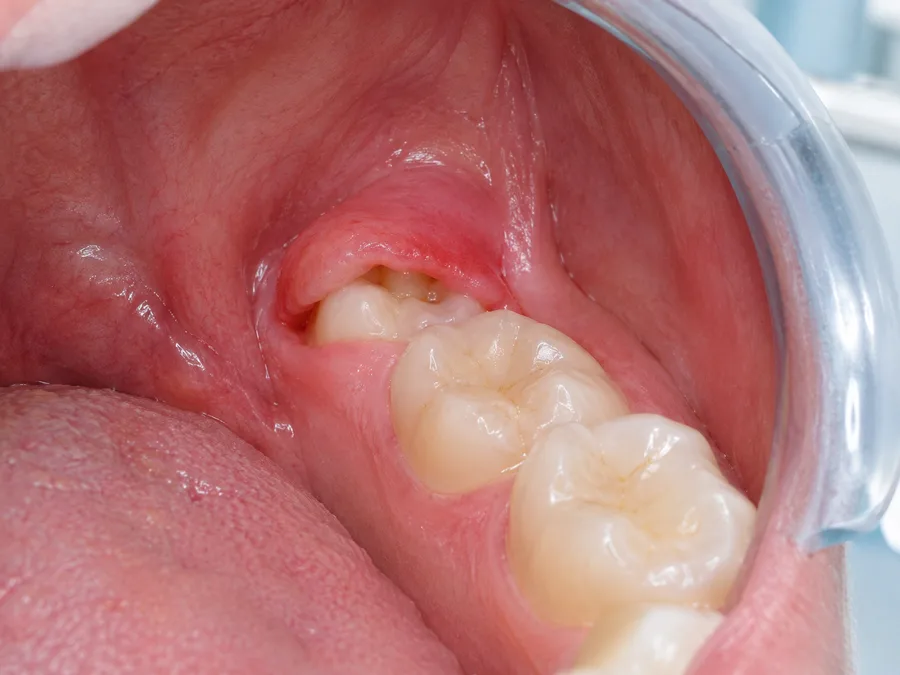
A partly erupted tooth is hard to clean and keeps getting inflamed.
The gum covering the tooth traps food and bacteria. Repeated flare-ups are a sign to consider removal before infection spreads.
Ask about this case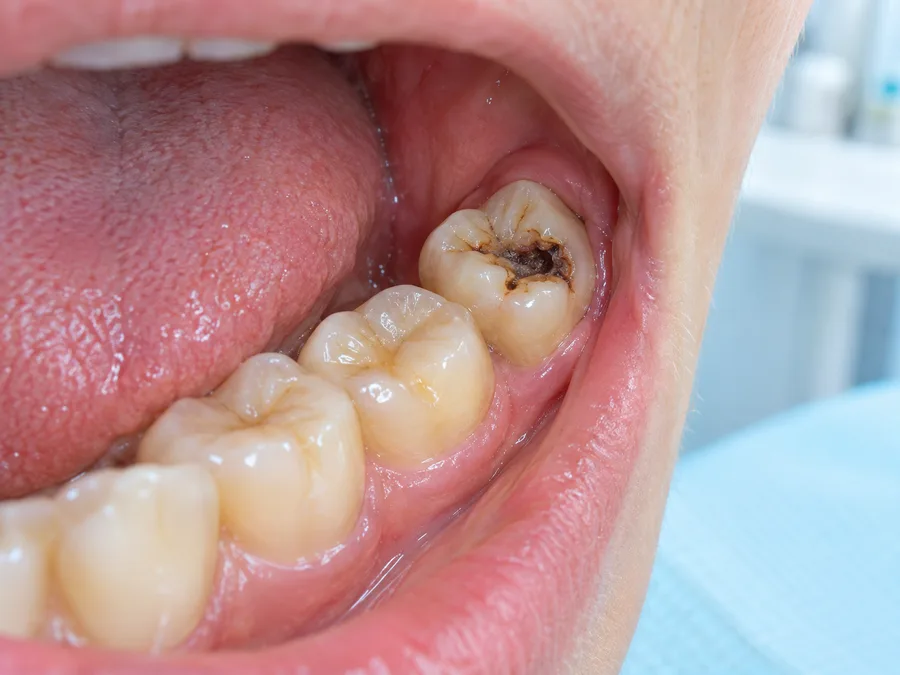
Removal is considered when decay is severe or the tooth cannot be restored.
Wisdom teeth sit far back and are hard to fill or treat with a root canal. With large decay, removal may be advised instead.
Ask about this case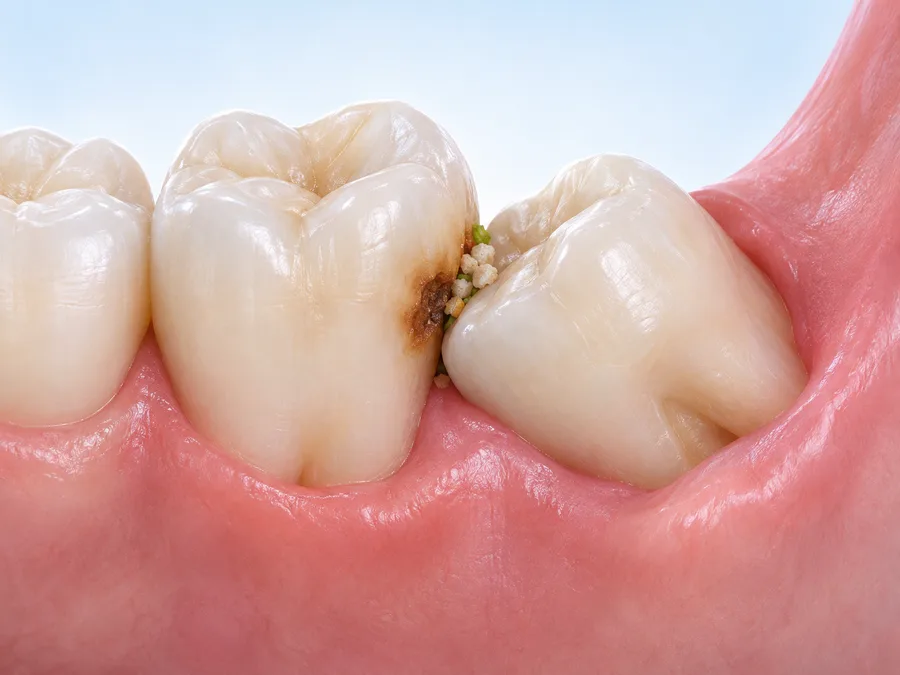
The wisdom tooth is linked to decay, root resorption or gum damage on the next tooth.
Food trapped between teeth 7 and 8 can decay the back of tooth 7 or cause bone loss. Timely removal protects tooth 7.
Ask about this case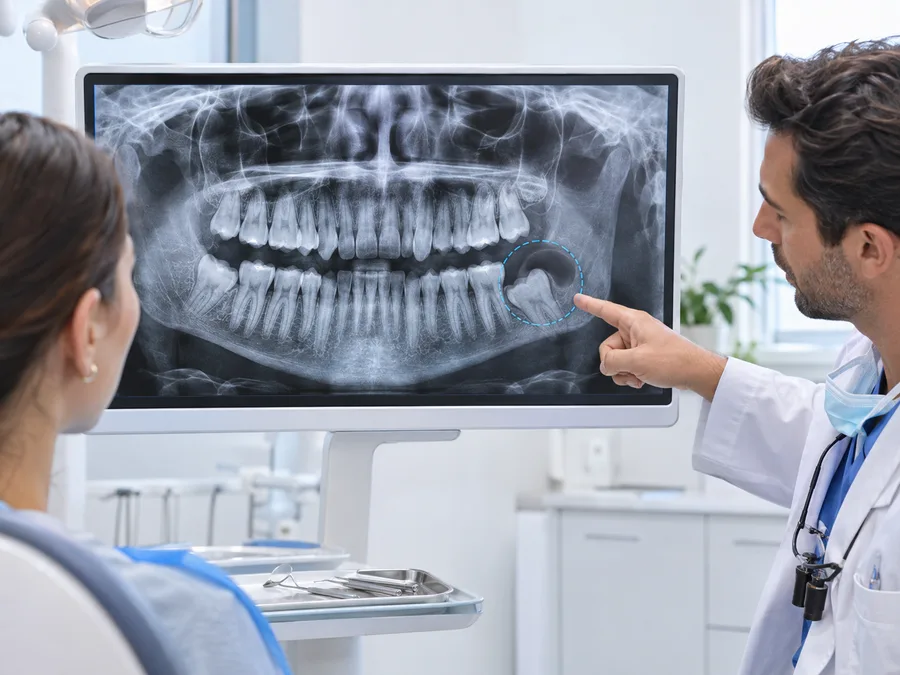
Found on examination and X-rays; the dentist assesses how to manage it.
Some impacted teeth have a cyst around the crown that can grow and affect the jawbone. The dentist plans treatment after assessment.
Ask about this case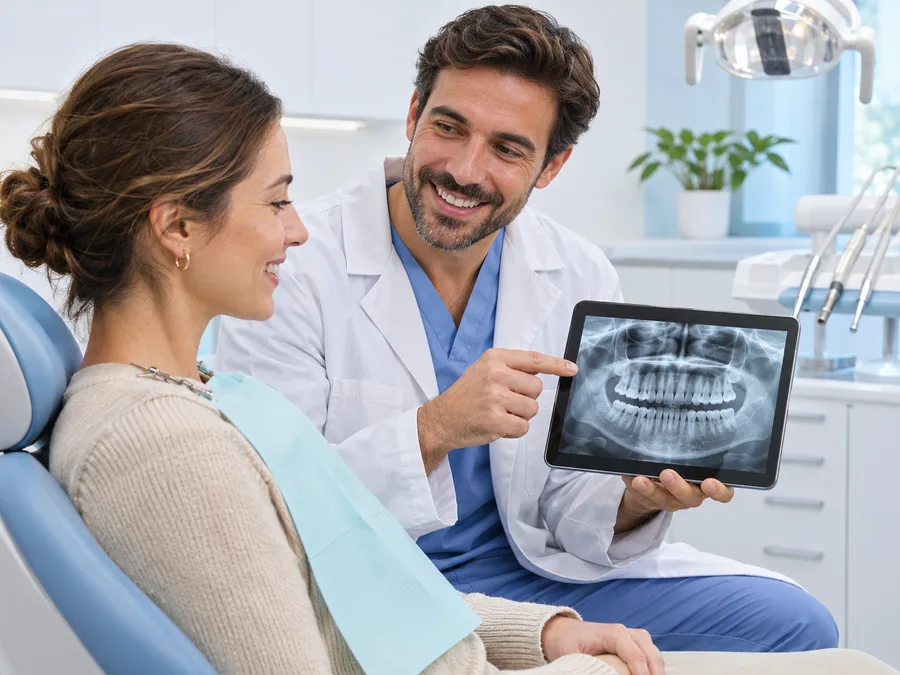
Sometimes removal is needed to support other dental treatment.
For example before orthodontics or restorations, or when the tooth blocks the plan. Not everyone with braces needs wisdom teeth removed.
Ask about this case

Treat problem wisdom teeth, protect neighbouring teeth and make oral care easier.
Removing a problem wisdom tooth can ease pain and reduce repeated inflammation once healed.
When the wisdom tooth causes damage, timely removal lowers the risk of decay, root resorption or gum problems on tooth 7.
Treating a tilted or partly erupted tooth that traps food makes the back area easier to clean after healing.



Removal may be advised if the wisdom tooth blocks planned tooth movement. Not everyone with braces needs it.
Early treatment of an abnormal impacted tooth helps stop cysts from growing and affecting the jaw.
A planned extraction when things are calm lets you arrange work and rest instead of acting in acute pain.
Four steps from examination and X-rays to aftercare and follow-up.
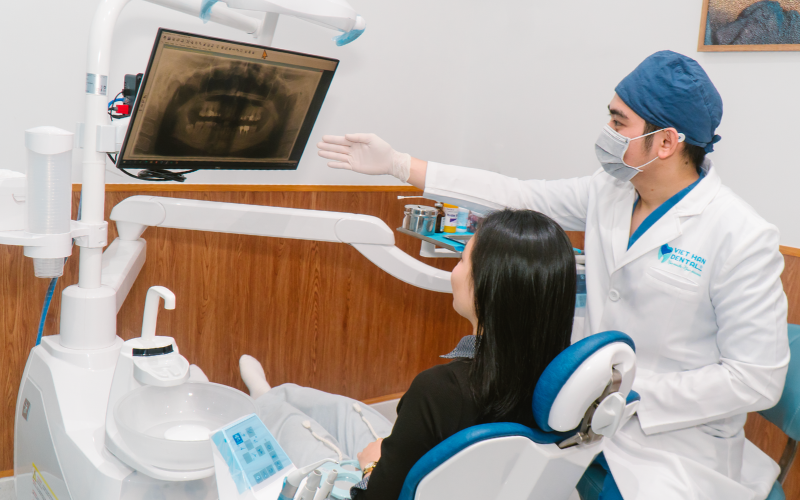
Check teeth and medical history. Discuss options and costs.
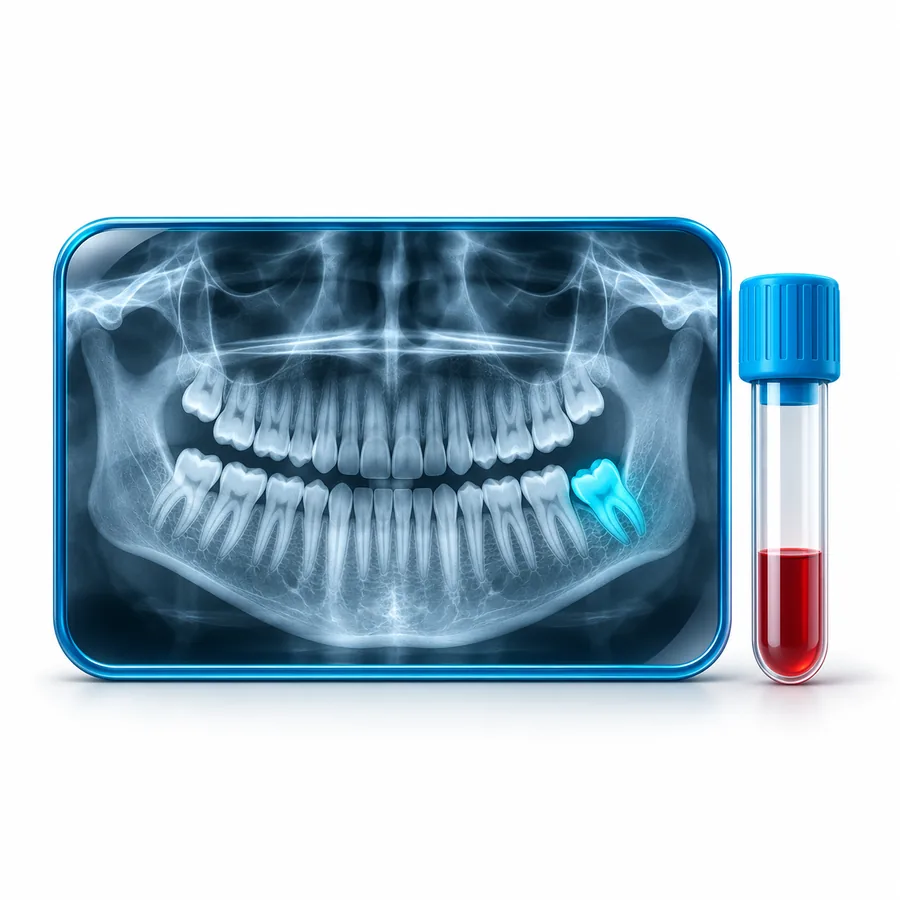
X-rays show direction and roots. Tests if needed.
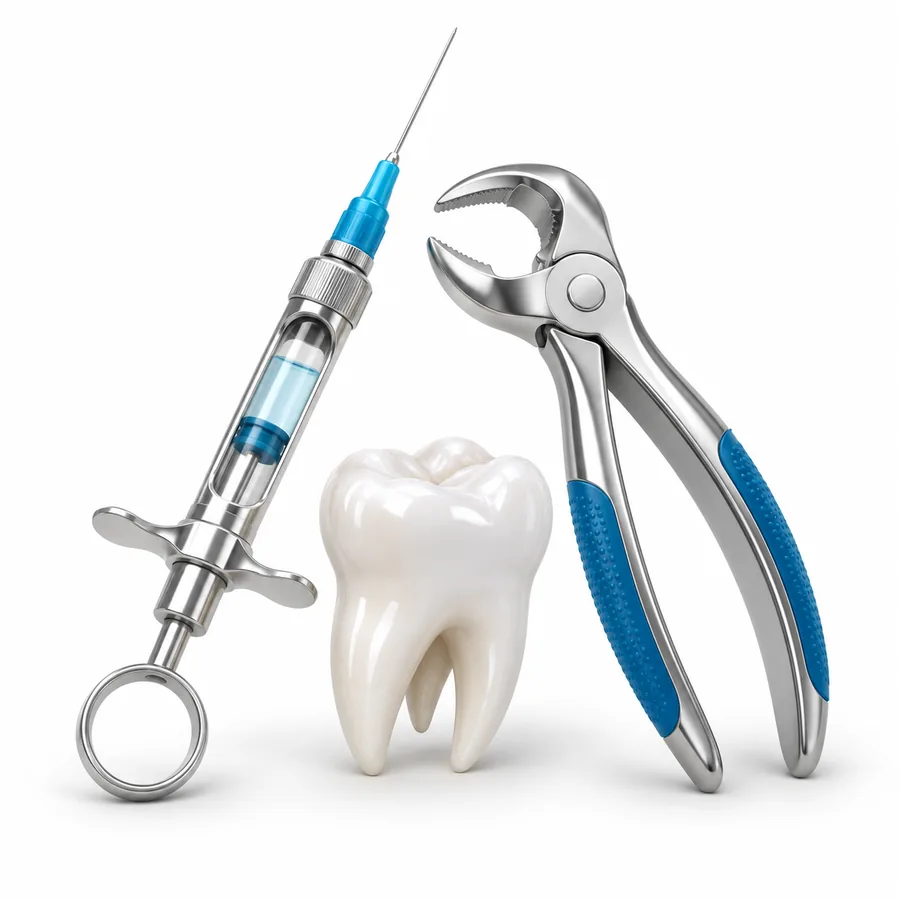
Anaesthetise and check numbness. Extract, stop bleeding, stitch if needed.
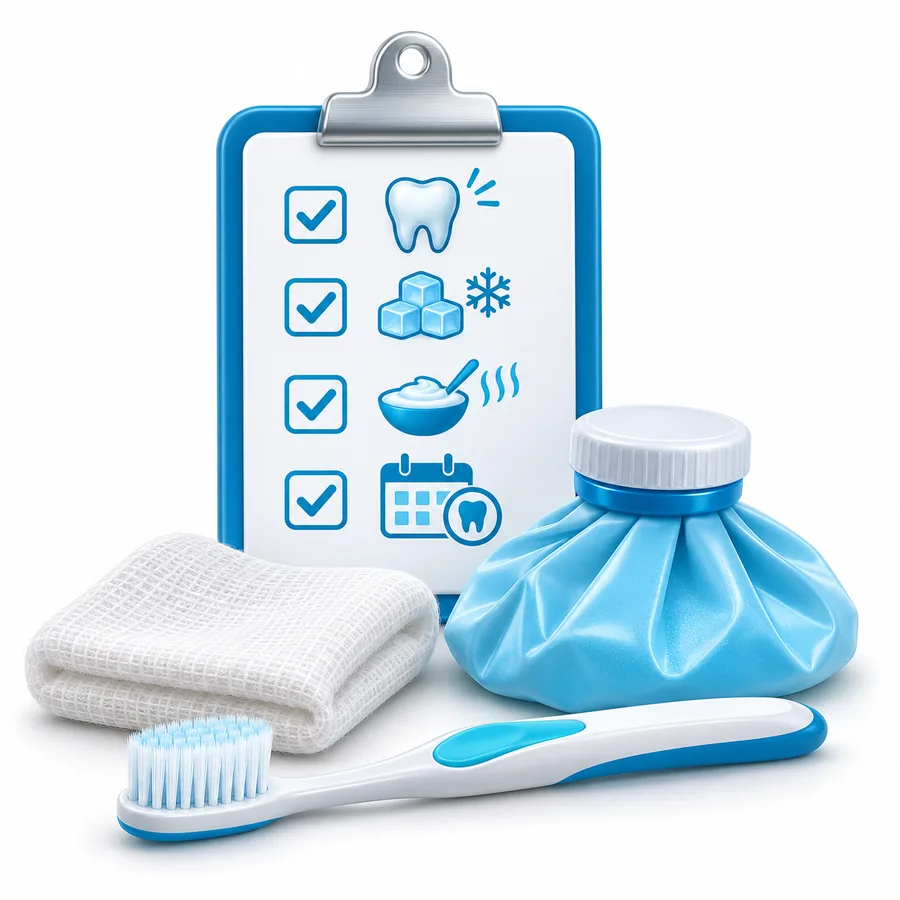
Medicine, diet and hygiene advice. Follow-up and stitch removal.
Note: Timing and technique depend on the tooth position, direction and your health.
Ask about the processFrom examination to aftercare, the dentist guides you according to your situation.
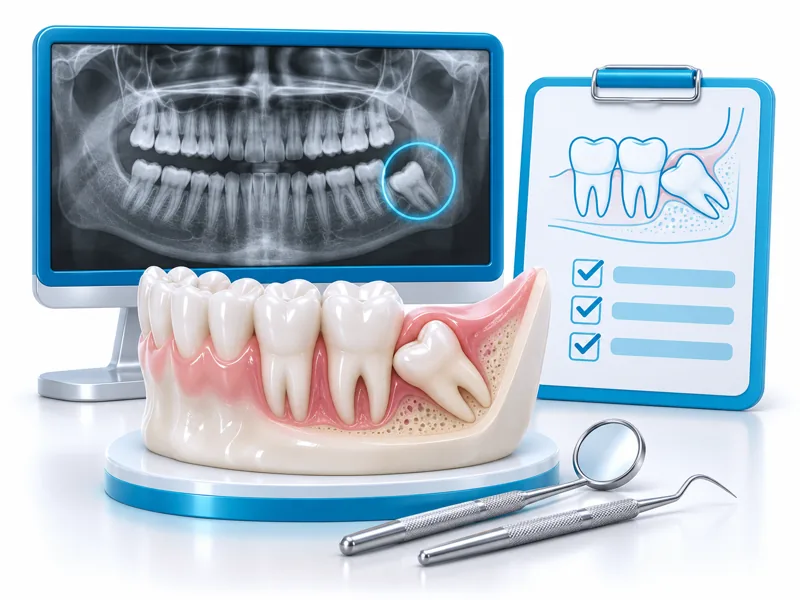
The dentist checks your mouth, medical history, allergies and medication. X-rays show the direction of growth, the roots and their relation to neighbouring teeth and nerves.
The dentist then explains the options, risks, costs and expected recovery time.
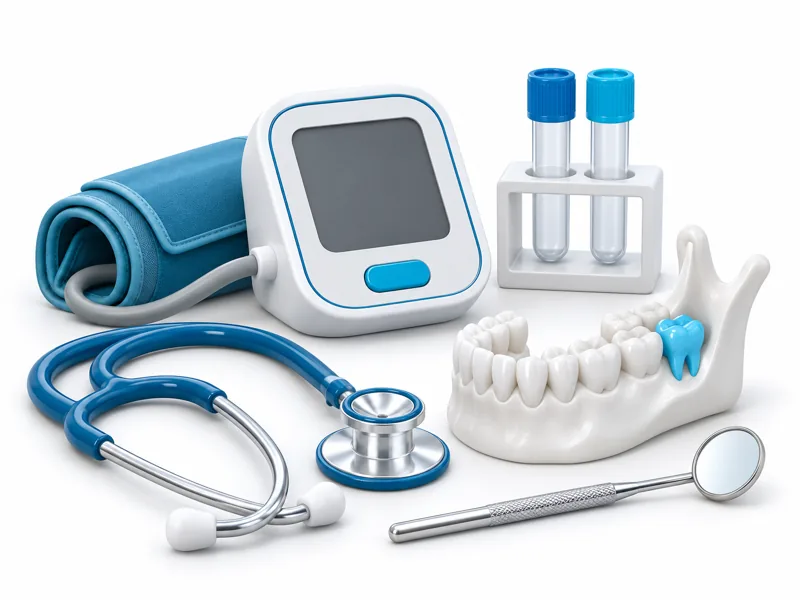
Depending on your health history and the procedure, the dentist may ask for tests or consult a specialist first.
Not every case needs a blood test. Do not stop your medication on your own, especially blood thinners.
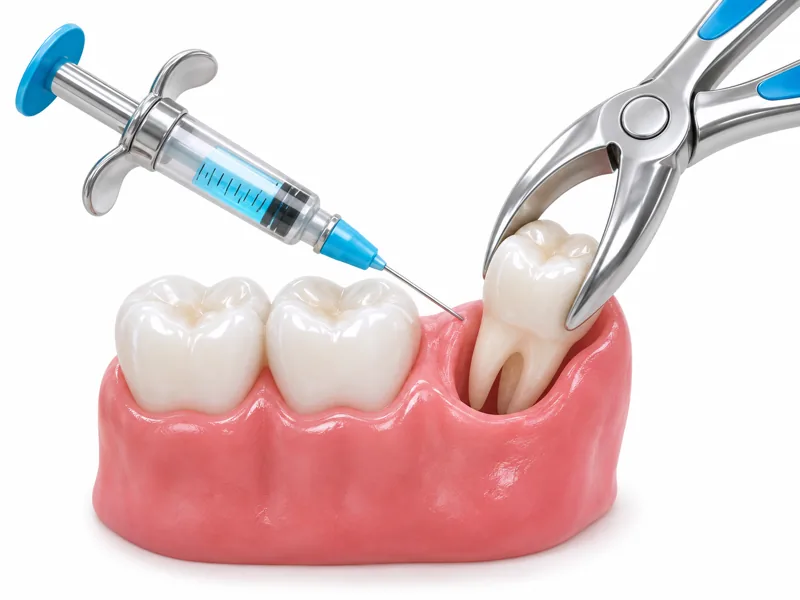
The area is cleaned, local anaesthetic is given and its effect checked before extraction. Depending on the tooth, the gum may be opened, bone shaped or the tooth sectioned.
After removal, the dentist checks the socket, stitches if needed and places gauze to stop bleeding.
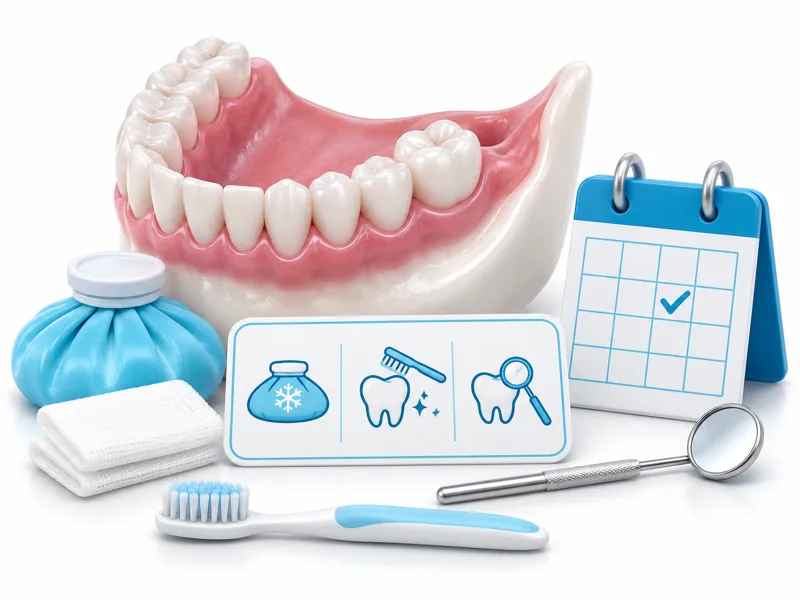
You get instructions on medication, diet, hygiene and warning signs. Antibiotics are used only when indicated.
Come back as scheduled; stitches are removed if needed, usually after 7–10 days. Contact the clinic early if bleeding does not stop, you have a fever or pain and swelling increase.
Good preparation and proper care make treatment smoother. The dentist adjusts the advice to your case.
Prepare and feel at ease
Choose a trusted clinic: A licensed clinic with experienced dentists, strict sterilisation and follow-up guidance.
Share your full health history: Mention conditions, allergies, medication and pregnancy. Do not stop blood thinners yourself.
Agree on the plan: X-rays and tests as needed; ask about the method, risks, costs and recovery time.
Eat as advised: Do not fast or overeat on your own. With sedation, follow the specific fasting instructions.
Clean teeth and rest: Clean your teeth, sleep well and stay relaxed; have scaling if advised.
Plan time and support: Allow time to rest afterwards. Have someone take you home if sedated.
Protect the wound, watch your recovery
Bite on the gauze: Keep steady pressure to stop bleeding; do not keep checking the gauze.
Protect the blood clot: For the first 24 hours, do not rinse, spit hard, use a straw or touch the socket.
Take medicine as prescribed: Follow the prescription; do not increase doses or take antibiotics on your own.
Soft, not hot food: Wait until the numbness wears off; choose soft, cool or lukewarm food and chew on the other side.
Clean gently: Do not brush the wound directly. After 24 hours rinse gently as advised; use antiseptic only if prescribed.
Rest and follow-up: Avoid heavy exercise, smoking and alcohol; return for check-up and stitch removal as scheduled.
Clear advice – Responsible treatment – Support after extraction

The dentist assesses the wisdom tooth, your oral health and history to build the right plan for you.

Clear reasons for removal, when monitoring is possible and what to weigh before deciding.

X-rays when needed to assess position, direction and nearby structures and spot risks early.

Infection control, prepared instruments and surgery by professional protocol, with monitoring during treatment.

Suitable anaesthesia, checks before starting and listening to you throughout to limit pain and worry.

Costs are given by tooth condition and complexity. Any extras are explained and agreed beforehand.

Guidance on bleeding, diet, hygiene and prescribed medicine, plus normal symptoms and warning signs.

We follow your recovery, book check-ups when needed and respond to your feedback promptly.
Dentist
Dr. Ngan is a specialist in aesthetic porcelain restorations, general dentistry and orthodontics – including traditional braces and Invisalign clear aligners.

Dentist
Dr. Thinh’s strengths are dental implants, aesthetic restorations and oral surgery, with a focus on conservative, precise treatment tailored to each clinical situation.

Dentist
Dr. Quan has advanced training in dental implants, full-arch rehabilitation and basic maxillofacial surgery.

Dentist
Dr. An is a specialist in aesthetic orthodontics.

Dentist
Dr. Duc is a specialist in dental implants, oral surgery and aesthetic restorations.

Dentist
Dr. Lam stands out for his in-depth expertise in oral surgery and aesthetic restorations.
The cost depends on the tooth position, direction of growth and complexity. The dentist confirms it after the examination and X-rays.
| Service | Details | Cost |
|---|---|---|
Wisdom tooth extraction | ||
| Upper wisdom tooth extraction | By difficulty | 800,000 VND – 1,200,000 VND |
| Lower wisdom tooth extraction | By difficulty | 1,500,000 VND – 2,400,000 VND |
| Complex wisdom tooth extraction near the nerve (levels I, II, III) | Based on X-rays | 2,800,000 VND – 4,800,000 VND |
| Wisdom tooth extraction – Coronectomy (crown removal surgery) | As indicated | 2,000,000 VND |
| Surgical exposure and extraction of impacted teeth | As indicated | 2,000,000 VND – 4,000,000 VND |
| Platelet-rich plasma (PRP/PRF) – supports faster healing | Optional | 1,500,000 VND |
Viet Han understands that every diagnosis and treatment plan shapes each patient’s smile and facial appearance. Our dentists continually develop their expertise, placing treatment quality and the preservation of natural teeth first, with a commitment to professional growth and attentive care.

Digital impressions and clear images help the dentist assess your teeth and explain treatment options.

A specialised device used in regenerative medicine, aesthetics and dentistry to separate platelet-rich plasma from the patient’s own blood.

X-ray images help the dentist evaluate teeth and jaw structures and plan appropriate treatment.

Proprietary digital orthodontic treatment planning and 3D simulation software developed by Align Technology and used in the Invisalign clear aligner system.

The dental unit supports the dentist’s work and patient comfort in the treatment room.

Deep-cleans instruments, removing organic matter, blood, plaque and bacteria from surfaces and narrow grooves before sterilisation.

Ultrasonic technology assists the dentist during procedures selected according to clinical needs.

Emits short-wavelength ultraviolet light in the UV-C range to kill or inactivate pathogens.

Waiting becomes lighter and more enjoyable in a thoughtfully prepared lounge. Patients can relax with magazines, while books and comics on many topics are set aside for our youngest visitors. The lounge also offers plenty of ways to unwind: from online games to familiar board games such as chess, ludo or go. Adults and children alike can always find something to enjoy while they wait.

After your scans, you sit down with a consultant and the dentist to understand the health of your smile and the treatment plan that suits you best. During the consultation, your dentist explains the examination findings, the planned treatment steps and how to prepare. You can share your expectations and ask about timing, costs and aftercare to help choose an appropriate option together. A quiet room makes it easier to have an open, clear and comfortable conversation.
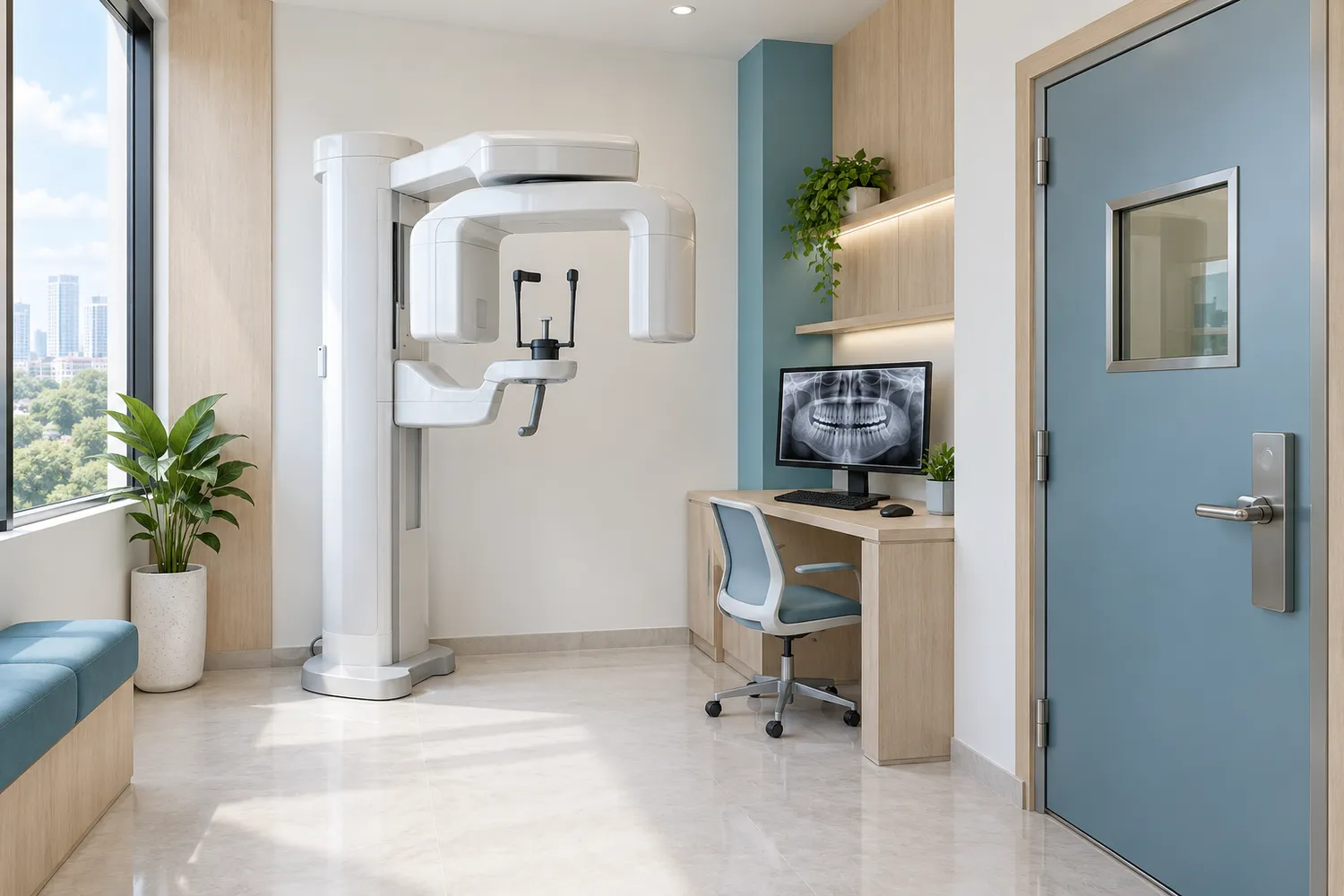
X-ray images let the dentist see the teeth, roots and jawbone, adding the information needed for an accurate diagnosis and a suitable treatment plan. The dentist chooses the right type of imaging for your condition and treatment needs, and the Viet Han team guides and supports you throughout.

The light well at Viet Han brings in natural sunlight and lets fresh air flow between floors, keeping the space airy and pleasant. A small fish pond with gently moving water adds life and calm, while carefully tended greenery brings nature closer to every visit. A peaceful corner where you can relax and feel at ease at the dentist.

Private treatment rooms help you feel more at ease at every visit. A tidy layout, soft lighting and modern equipment support the dentist in caring for your smile. Each step is clearly explained, and our attentive team stays with you so you always feel cared for.
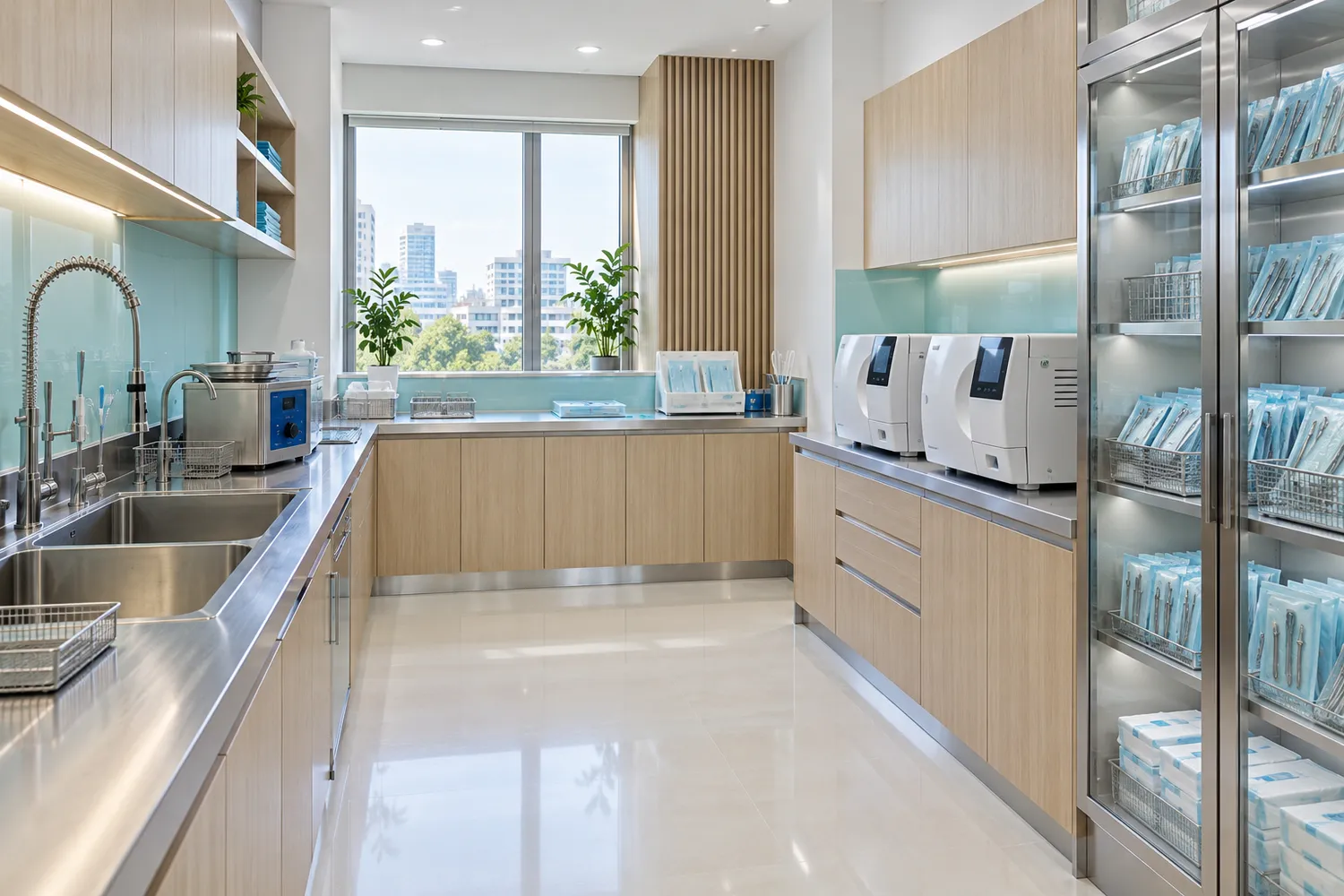
The sterilization room is dedicated to reprocessing dental instruments. Cleaning, packaging, sterilizing and storage each play a part in infection control during treatment. The room is divided into functional zones so instruments are handled and stored in an orderly way, keeping used and sterilized instruments clearly apart.
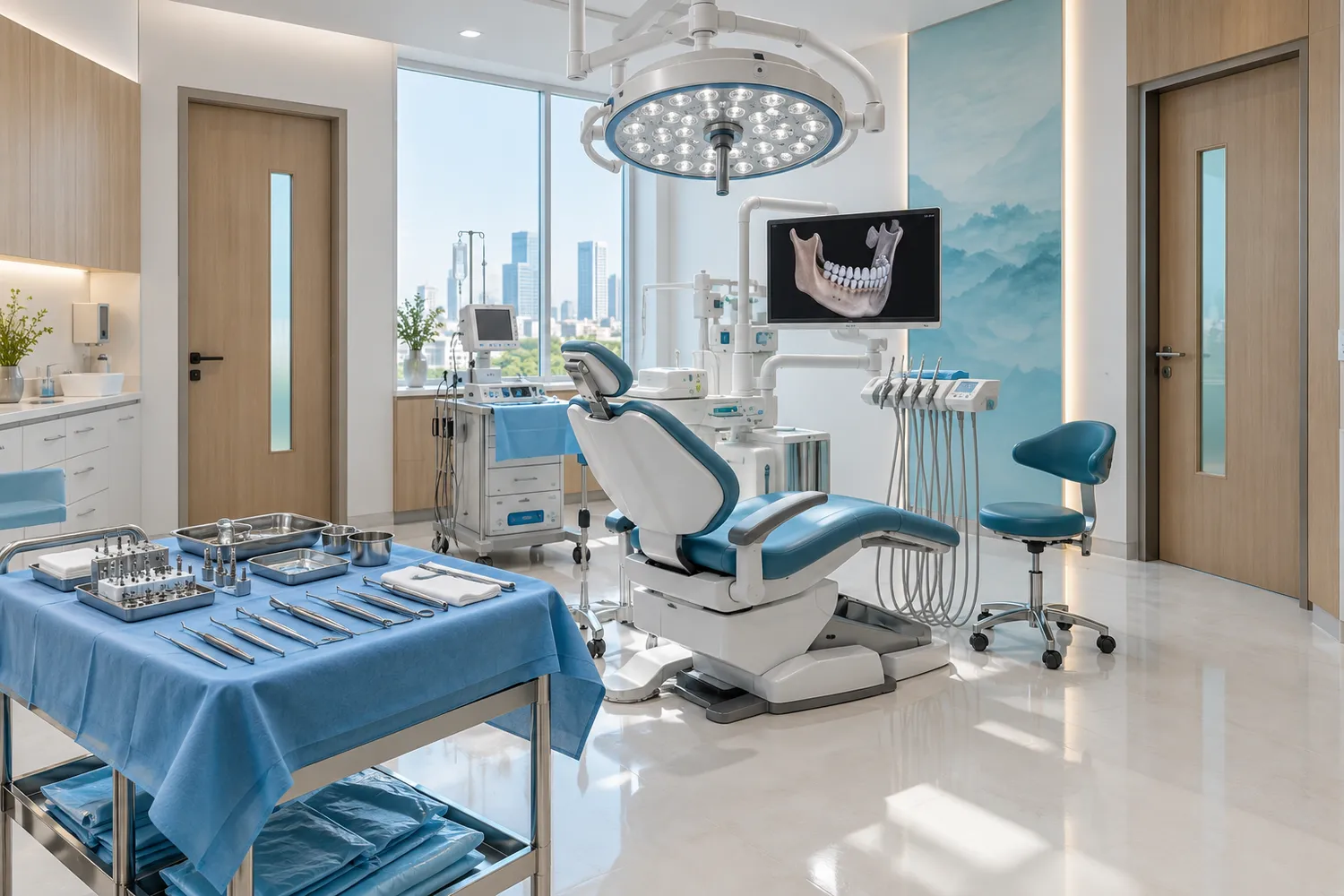
The surgical suite follows a one-way layout that separates functional areas and movement routes to support infection control throughout each procedure. Equipment and instruments are prepared for every individual surgery, and the team works closely together from preparation to monitoring, with your safety and peace of mind first.

After surgery, patients can rest in the recovery room as advised by the dentist. The quiet, private space helps you relax before going home. The medical team monitors your condition after treatment, helps whenever needed and explains how to care for yourself at home. Rest time is adjusted to each patient.
Real journeys of patients with different dental conditions and smile goals at Viet Han Dental.
One check-up tells you how your teeth and gums are and which treatments suit your needs.
Book a wisdom tooth check-up
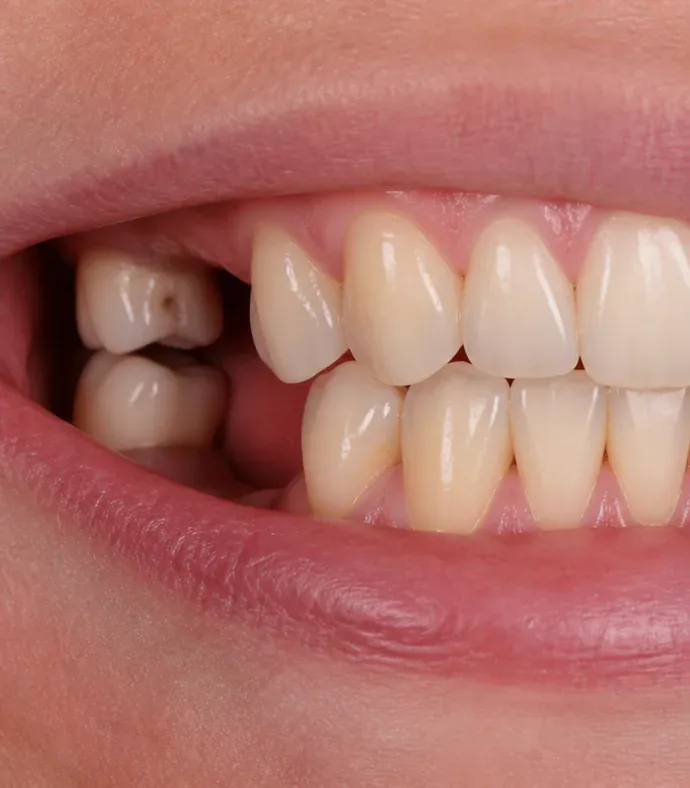 Before
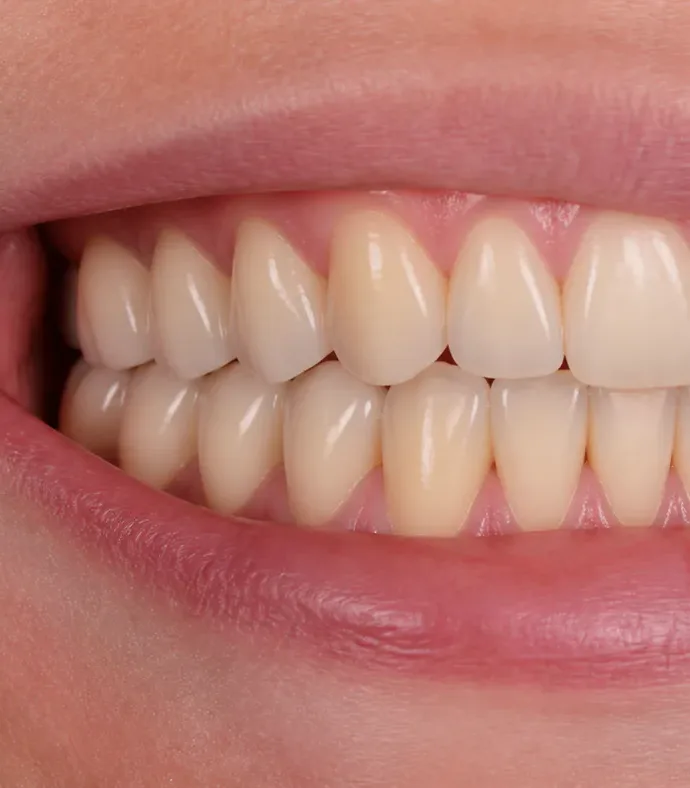 After
Yes, I am 100% satisfied. First of all, I won't pick a dental place without reading their review. My main concern was not to go through a place less than 4.5 stars, why? Well simple, I wouldn't want to fly back if something went wrong. But wow! Luckily I chose the right place. The staff was friendly. Ms. Hoan - my dentist was incredibly talented, very detailed, patience, warm, and not satisfied until I am happy with the work she did.

I am an expat in Nha Trang and luckily I found this clinic. I have my tooth removed here, it did not hurt as I imagined. Doctor and staff are professional and polite! Recommend to you!

My friend recommended me to visit this clinic. I made an appointment to Dr.Mary, she is the specialist from Brazil. And I totally loved it!❤️ I think it was my best time at the dentist ever. If you are in Nha Trang you should come to this clinic for sure. The dentist are very friendly and professional. The building looks very nice too.

I had my 4 wisdom teeths extraction in Viet Han Dental done. It was very gentle and calm even my case was kinda difficult. Very clean and professional, doctors and their assistants, also receptionist can speak English very well. Highly recommend !!!

If you need to go to a good dental clinic in Nha Trang, I would really suggest going to this place. The young woman who welcomes new patients and liaisons between foreign customers and the dentists how does a wonderful job. She has great English communication skills and she's very helpful and informative.

I highly recommend this clinic! The stuff is very friendly, hospitable and helpful! Also very client oriented, once I forgot my money, so they said I can bring it next time! Doctor Mary from Brazil is an amazing specialist! I treated all my teeth with her and even took one out, the procedure took about 5 minutes, highly professional! At last my teeth become whiter and shiny! Very thankful to her!

Patient impressions after dental implants at Viet Han Dental
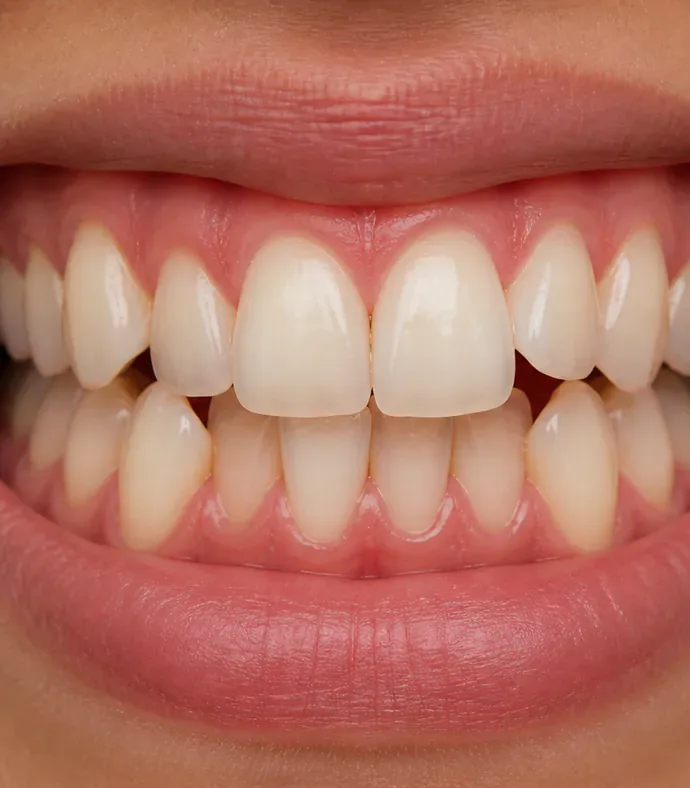 Before
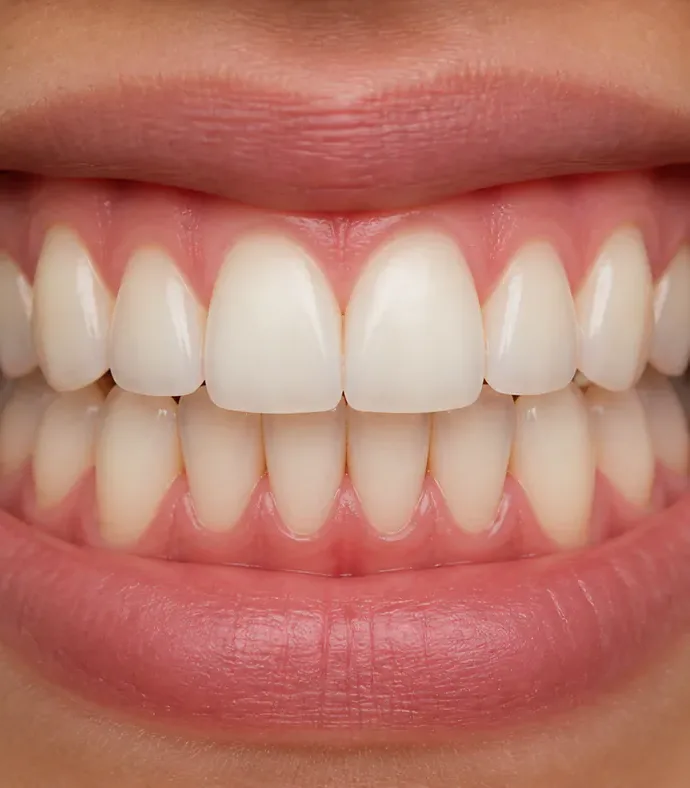 After
I am an expat in Nha Trang and luckily I found this clinic. I have my tooth removed here, it did not hurt as I imagined. Doctor and staff are professional and polite! Recommend to you!
My friend recommended me to visit this clinic. I made an appointment to Dr.Mary, she is the specialist from Brazil. And I totally loved it!❤️ I think it was my best time at the dentist ever. If you are in Nha Trang you should come to this clinic for sure. The dentist are very friendly and professional. The building looks very nice too.
I had my 4 wisdom teeths extraction in Viet Han Dental done. It was very gentle and calm even my case was kinda difficult. Very clean and professional, doctors and their assistants, also receptionist can speak English very well. Highly recommend !!!
If you need to go to a good dental clinic in Nha Trang, I would really suggest going to this place. The young woman who welcomes new patients and liaisons between foreign customers and the dentists how does a wonderful job. She has great English communication skills and she's very helpful and informative.
I highly recommend this clinic! The stuff is very friendly, hospitable and helpful! Also very client oriented, once I forgot my money, so they said I can bring it next time! Doctor Mary from Brazil is an amazing specialist! I treated all my teeth with her and even took one out, the procedure took about 5 minutes, highly professional! At last my teeth become whiter and shiny! Very thankful to her!
Yes, I am 100% satisfied. First of all, I won't pick a dental place without reading their review. My main concern was not to go through a place less than 4.5 stars, why? Well simple, I wouldn't want to fly back if something went wrong. But wow! Luckily I chose the right place. The staff was friendly. Ms. Hoan - my dentist was incredibly talented, very detailed, patience, warm, and not satisfied until I am happy with the work she did.
Xuan Quynh shares her orthodontic journey
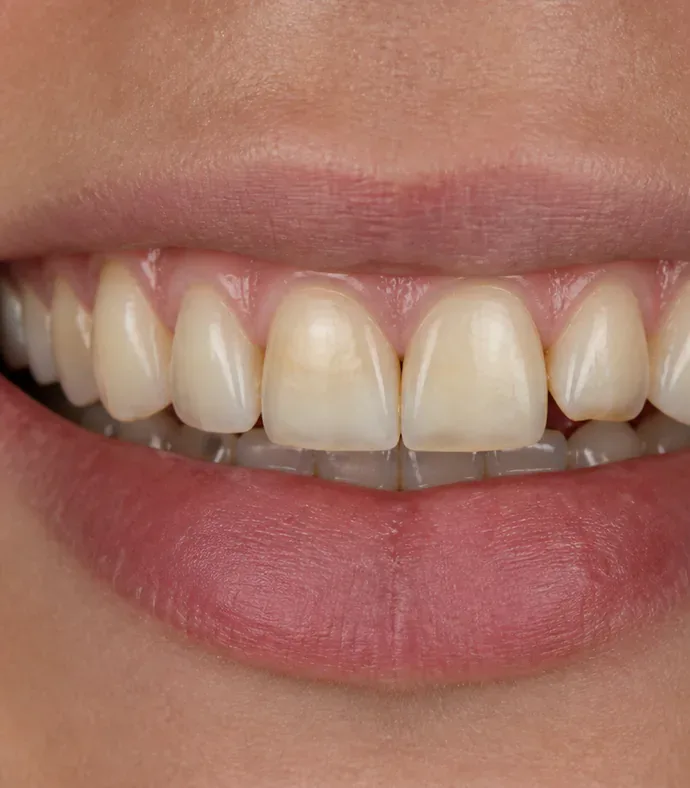 Before
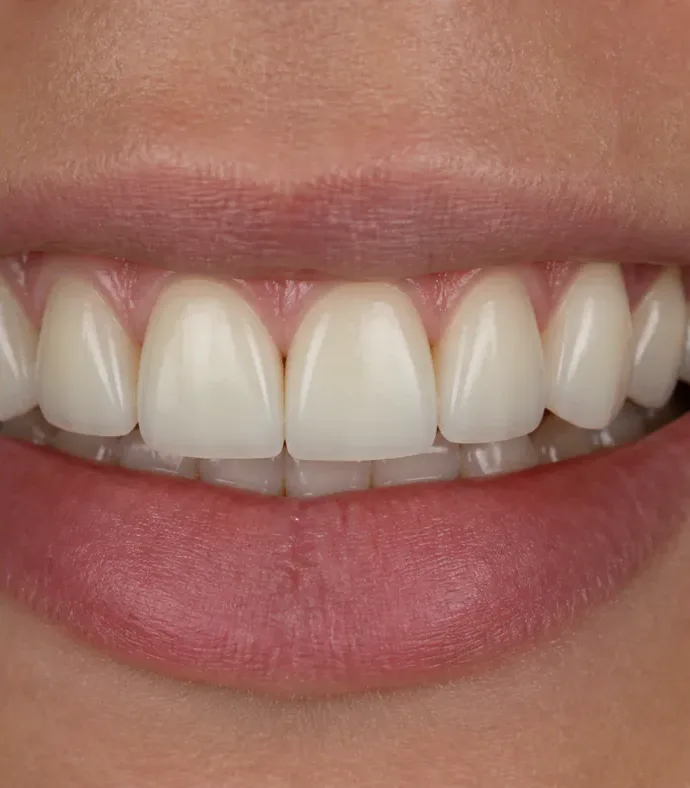 After
My friend recommended me to visit this clinic. I made an appointment to Dr.Mary, she is the specialist from Brazil. And I totally loved it!❤️ I think it was my best time at the dentist ever. If you are in Nha Trang you should come to this clinic for sure. The dentist are very friendly and professional. The building looks very nice too.
I had my 4 wisdom teeths extraction in Viet Han Dental done. It was very gentle and calm even my case was kinda difficult. Very clean and professional, doctors and their assistants, also receptionist can speak English very well. Highly recommend !!!
If you need to go to a good dental clinic in Nha Trang, I would really suggest going to this place. The young woman who welcomes new patients and liaisons between foreign customers and the dentists how does a wonderful job. She has great English communication skills and she's very helpful and informative.
I highly recommend this clinic! The stuff is very friendly, hospitable and helpful! Also very client oriented, once I forgot my money, so they said I can bring it next time! Doctor Mary from Brazil is an amazing specialist! I treated all my teeth with her and even took one out, the procedure took about 5 minutes, highly professional! At last my teeth become whiter and shiny! Very thankful to her!
Yes, I am 100% satisfied. First of all, I won't pick a dental place without reading their review. My main concern was not to go through a place less than 4.5 stars, why? Well simple, I wouldn't want to fly back if something went wrong. But wow! Luckily I chose the right place. The staff was friendly. Ms. Hoan - my dentist was incredibly talented, very detailed, patience, warm, and not satisfied until I am happy with the work she did.
I am an expat in Nha Trang and luckily I found this clinic. I have my tooth removed here, it did not hurt as I imagined. Doctor and staff are professional and polite! Recommend to you!
Maria shares how veneers completed her smile
Common questions before and after wisdom tooth removal.
Local anaesthesia is checked before extraction, so you usually only feel pressure. Some pain and swelling for a few days after is common and varies by case.
A simple case may take about 15–30 minutes; impacted or complex teeth take longer. The dentist estimates the time after reviewing X-rays.
Soft tissue usually heals in about 1–2 weeks; the bone takes longer. Follow-up visits let the dentist check healing.
With acute inflammation the dentist may treat it first and schedule extraction later, depending on the infection and your health.
Lower wisdom teeth can lie close to the nerve canal. X-rays help assess the risk and the dentist explains and chooses the right approach.
Yes, depending on difficulty, your health and preference. The dentist advises whether to do them together or separately.
For the first few days choose porridge, soup, yoghurt and other soft, cool or lukewarm food; avoid hard, spicy or hot food and alcohol.
Examination, X-rays if needed, the extraction and prescribed medicine. The price depends on position and difficulty and is quoted beforehand.