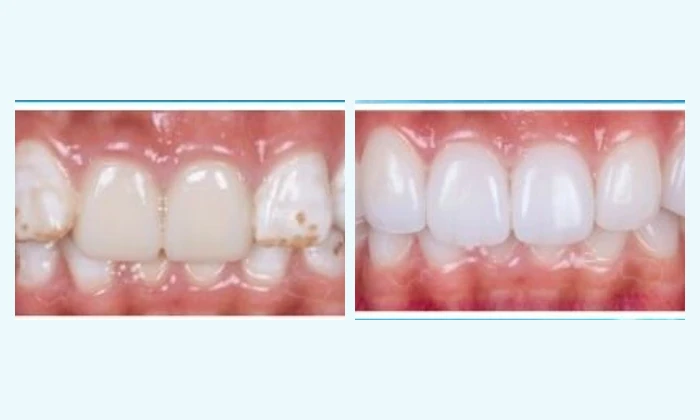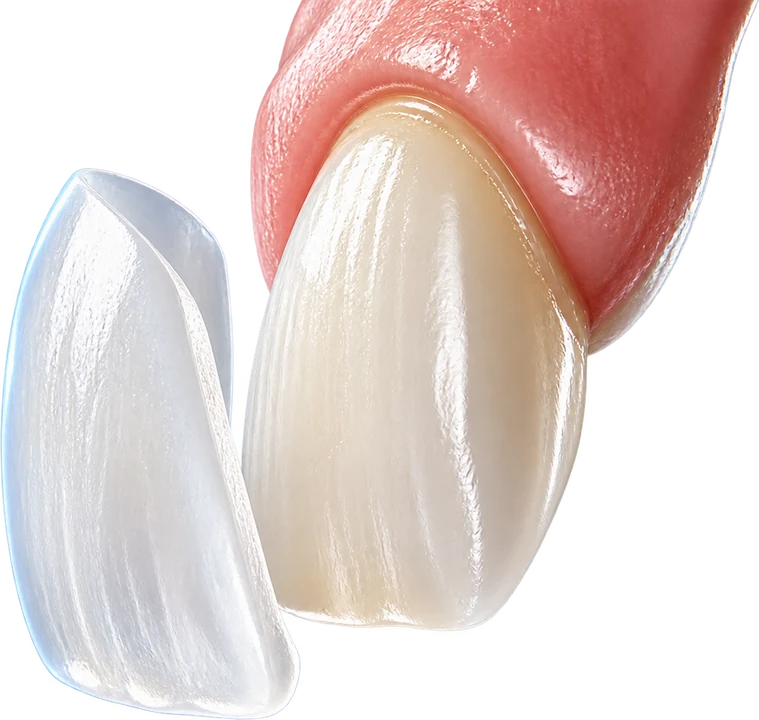
An ultra-thin porcelain layer
A veneer covers only the front surface of the tooth, unlike a crown that wraps around the whole tooth.



Ultra-thin porcelain veneers improve the color and shape of front teeth with an enamel-preserving approach and personalized smile design at Viet Han.



A veneer is a thin layer of porcelain bonded to the front surface of a tooth to adjust color, shape and proportions of the front teeth. The technique aims to preserve enamel, but not every case can be done without any preparation.
A veneer covers only the front surface of the tooth, unlike a crown that wraps around the whole tooth.
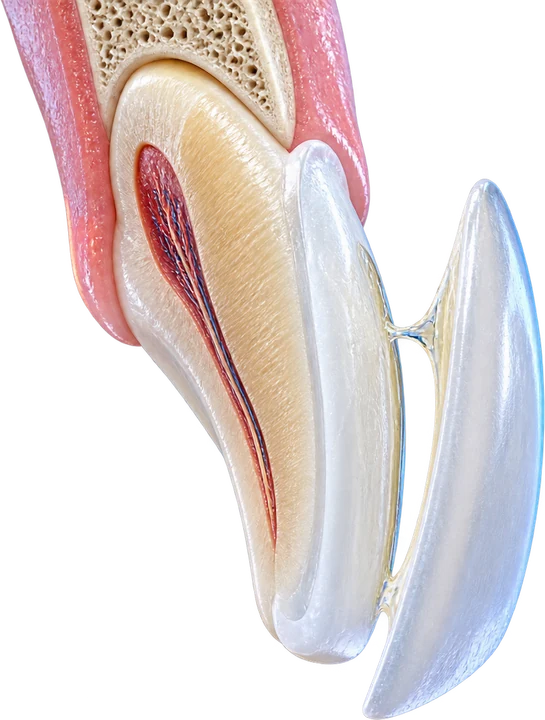
The amount of preparation is based on tooth position, material thickness and the space needed for the restoration.
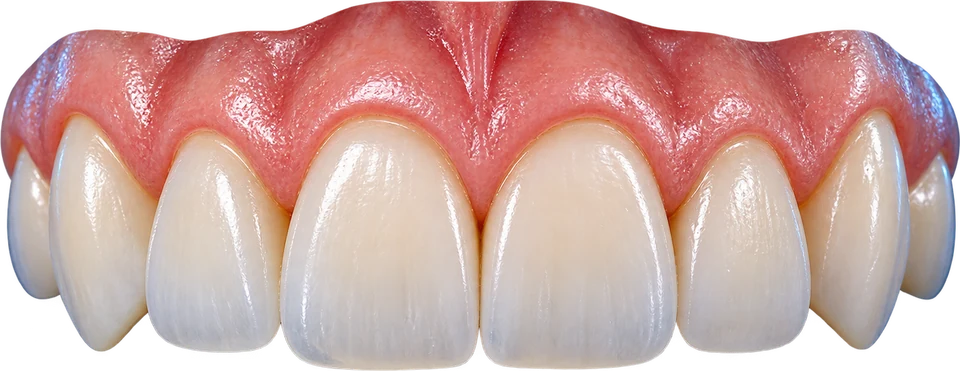
Thin, light-transmitting porcelain creates a natural effect when the tooth shade and indication are suitable.
See the overview and each key detail to understand the method before treatment.

A veneer covers only the front surface of the tooth, unlike a crown that wraps around the whole tooth.

The amount of preparation is based on tooth position, material thickness and the space needed for the restoration.

Thin, light-transmitting porcelain creates a natural effect when the tooth shade and indication are suitable.

In suitable cases, veneers require less preparation than a full crown.

Translucency and surface texture can mimic the characteristics of natural enamel.

Smooth, color-stable porcelain is easy to keep clean when the margins are designed correctly.

The dentist needs to assess enamel, base shade, tooth position and clenching or grinding habits before recommending veneers.
Uneven color or color that whitening cannot improve, where the base shade still allows veneers to mask it.
Minor gaps, small teeth or unbalanced proportions can be corrected with veneer design.
Defects limited to the front teeth with enough enamel left for a durable bond.
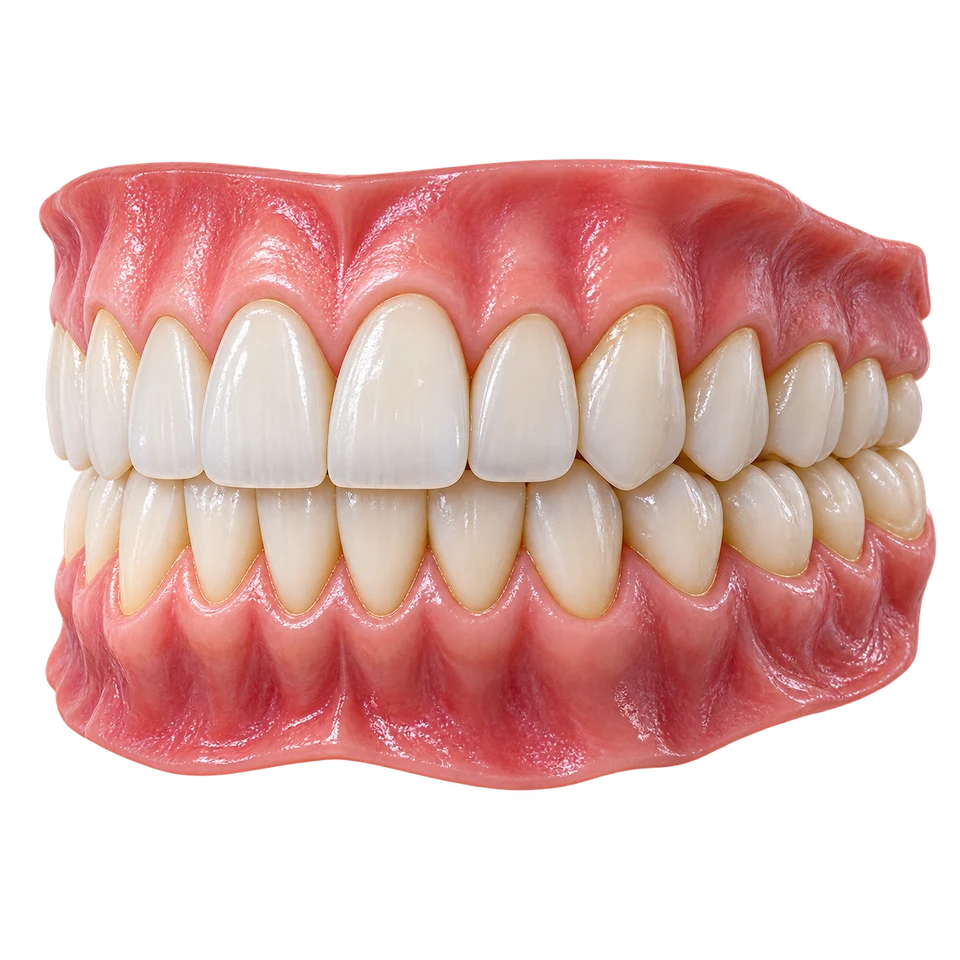
No severe harmful bite forces, or they have been brought under control before restoration.


In suitable cases, veneers require less preparation than a full crown.

Translucency and surface texture can mimic the characteristics of natural enamel.

Smooth, color-stable porcelain is easy to keep clean when the margins are designed correctly.

Each tooth's shape is tailored to your lips, gums, face and wishes.
The process focuses on trial design and controlling thickness before final bonding.
Assess enamel, base shade, bite and gums and take digital photos.
Simulate tooth proportions and the smile line so you can preview the planned shape.
Minimal preparation when needed, digital scanning and sending the data to the dental lab.
Fit, color, surface and bite are checked before bonding with a dedicated system.
Note: The timeline and scope depend on the condition of your teeth, gums and bite and on the dentist's recommendation after the examination.
Ask about the processFollowing your dentist's personalized instructions makes treatment and aftercare go more smoothly.
Share your expectations clearly: Explain what bothers you about color and shape and how natural you want the result to look.
Check your oral health: Treat decay, gum inflammation or active bite problems before restoration.
Understand the conservative options: Ask your dentist to explain the extent of preparation, the materials and any alternatives.
Confirm costs and timeline: Agree on the number of teeth, material, temporaries, try-in appointments and follow-up policy.
Avoid excessive force: Do not use the restored teeth to crush ice, open bottles or chew very hard objects.
Clean carefully along the gumline: Brush with the correct technique and use floss or a water flosser as instructed.
Pay attention to how your bite feels: Contact the clinic if your bite feels high, sensitivity persists, your gums bleed or food gets trapped unusually.
Attend follow-up visits on time: Checking margins, contact points and bite helps detect anything that needs adjusting early.
Every plan is built on close cooperation between the dentist, diagnostic data and continuous care.
Dr.
Eight pillars that make your treatment journey clearer, safer and more convenient.

Your dentist assesses your tooth shade, gums, bite and wishes before building a plan.

Tooth proportions, shade and smile line are tailored to each patient's face.

Photos, X-rays and digital scans help control the plan before treatment.

Porcelain lines, material details and warranty policies are clearly presented.

Instruments, treatment rooms and every procedural step are controlled under dental protocols.

You discuss and check the aesthetic details before the work is completed.

The number of teeth, materials and supporting treatment are explained before treatment begins.

Hygiene guidance, bite checks and a follow-up schedule are set from the very beginning.
Viet Han combines formally trained dentists with diagnostic data and a follow-up process to build the right plan for every patient.
Real cosmetic restoration journeys with different starting conditions and treatment plans at Viet Han Dental.
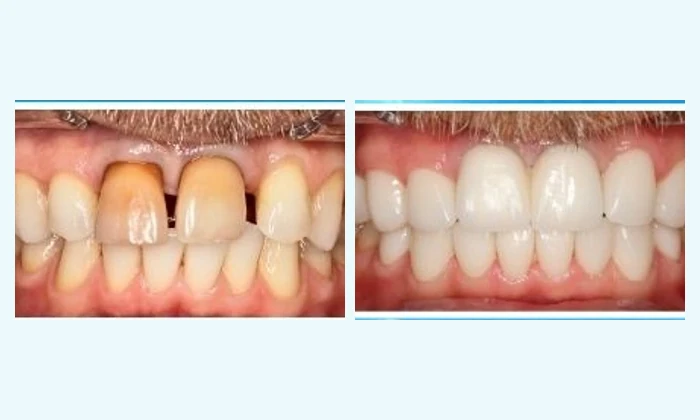
The patient took part in the shape and color try-ins and received aftercare instructions once treatment was complete.
Smile design and cosmetic restoration
The patient wanted to improve the color, shape and harmony of the front teeth.
The dentist checked the underlying teeth, gums and bite before designing proportions, choosing the shade and selecting materials.
The final restoration was refined to suit the face and smile; actual results depend on the initial condition.
Prices depend on the porcelain line, number of teeth, color requirements and preparatory steps. The published price list helps you budget before your consultation.
| Service | Details | Cost |
|---|---|---|
Porcelain veneers | ||
| Emax CAD porcelain veneer (Ivoclar – Germany) | Warranty 5 years | 7,000,000 VND |
| Lisi Press porcelain veneer (GC – USA) | Warranty 5 years | 8,000,000 VND |
Additional costs when indicated | ||
| Examination and cosmetic treatment planning | Depends on your actual condition | Confirmed by your dentist |
| Tooth or gum treatment before restoration | Only when clinically indicated | Quoted before treatment |
| Temporary restoration or mock-up | According to each individual plan | Confirmed by your dentist |
| Occlusal guard | For cases that need bite-force control | As indicated |

Every need is examined and planned individually to protect your long-term oral health.
Common questions before choosing the right treatment option.
Some cases need almost no preparation, while others need a thin layer of enamel removed. It depends on tooth position, base shade and the final design.
Veneers mainly cover the front surface and prioritize preserving tooth structure; crowns cover more of the tooth and suit teeth that need major structural restoration. The choice depends on the remaining tooth structure, aesthetic goals and how your teeth meet.
When properly indicated, with suitable enamel, a controlled bonding process and a managed bite, veneers are very stable. Biting hard objects can still cause chips or debonding.
An in-person assessment is needed because thin porcelain has limited masking ability. Some very dark teeth need a different material or restoration.
Describe what you want to improve, such as color, shape or gaps, and how much change you want. Reference photos can help, but they must be adapted to your natural teeth, face and bite.
Let us know if your bite feels high, pain persists, there are sharp edges or chips, or cleaning around the restoration is difficult. Telling us the location and when it started helps our team advise on the next step.