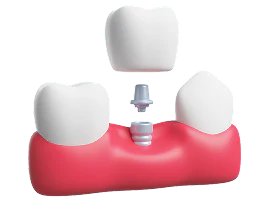
Discreet and confident
Clear trays hug the teeth and draw little attention when you talk or smile.


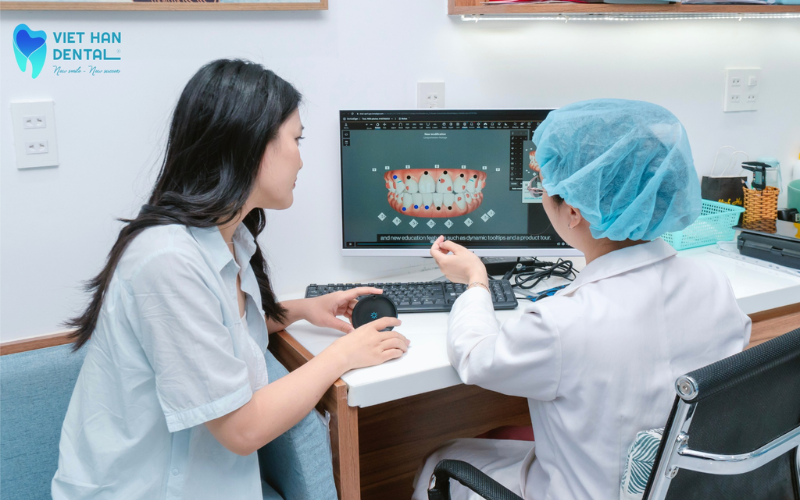
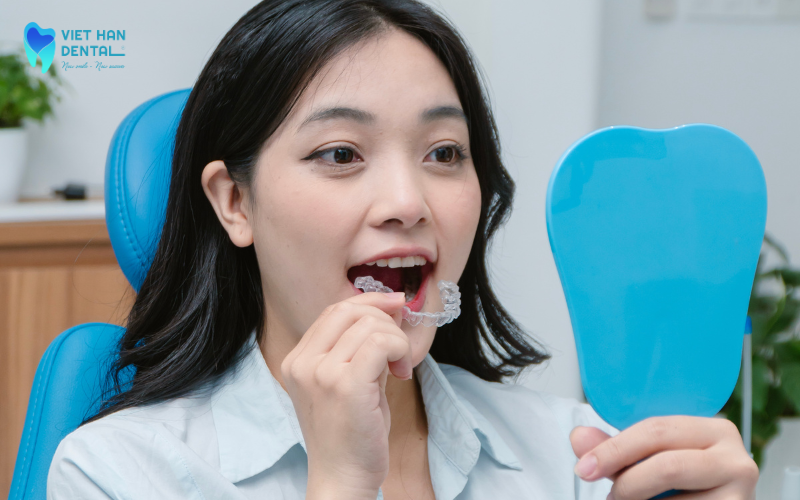
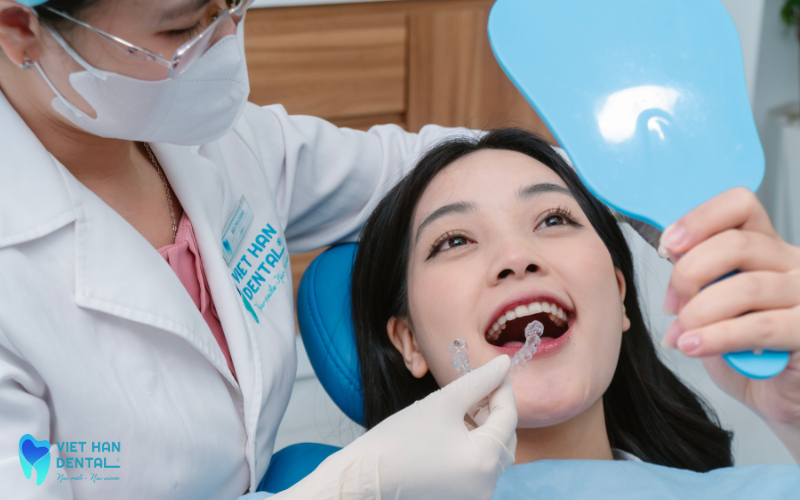
Custom, removable aligners — with you every step of your orthodontic journey.
With so many aligner options, you may wonder whether your teeth are suitable, which to choose and what it costs. Viet Han explains how aligners move teeth, the process, timing and what to watch for, so you can talk confidently with your dentist.
Clear aligners are a series of custom medical-grade trays designed for your teeth and treatment plan.
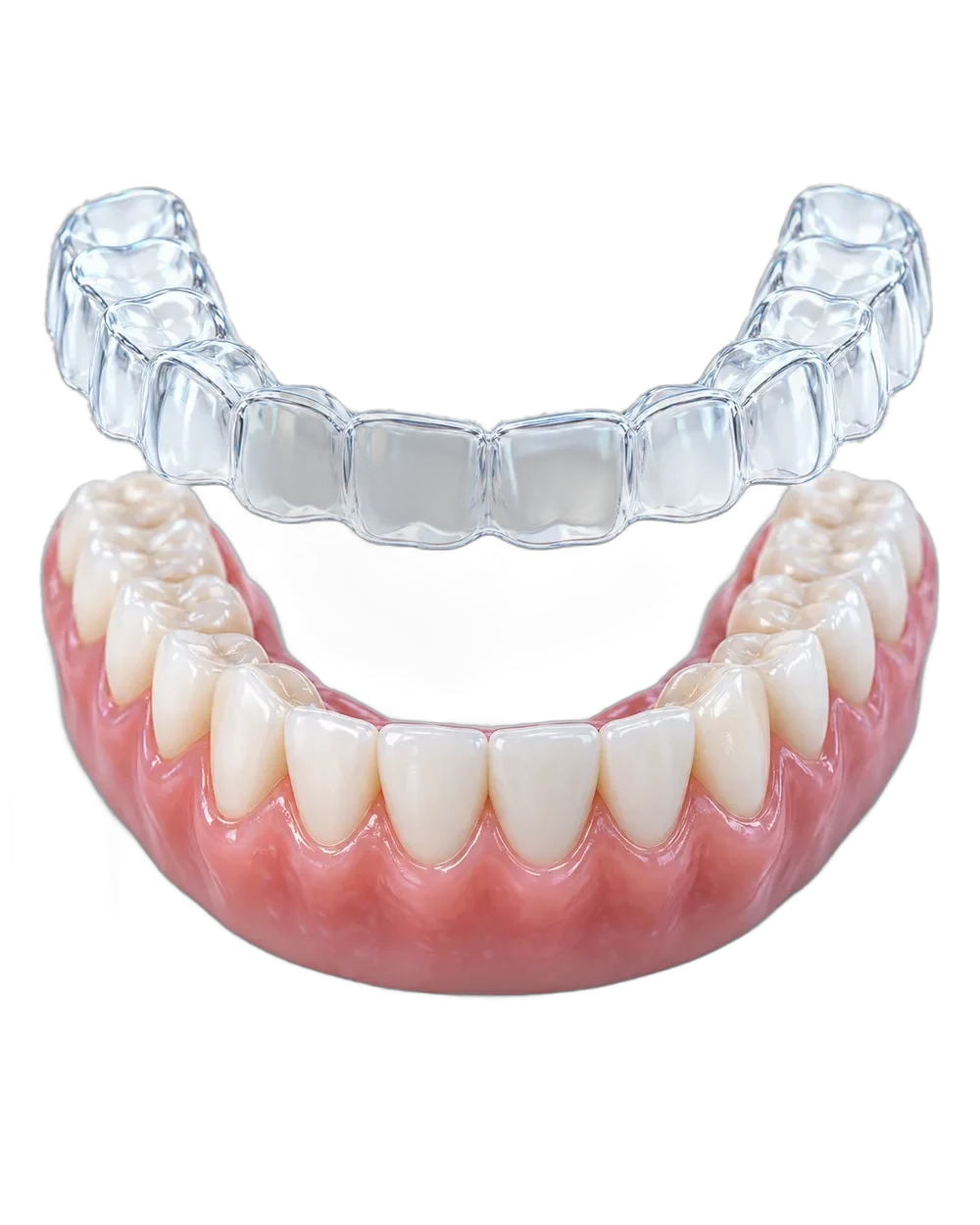
Clear aligner treatment straightens teeth with a series of removable, transparent plastic trays custom-made from a 3D scan. Each tray moves the teeth a little according to the dentist’s plan, instead of fixed brackets and wires.
The usual recommended wear time; follow your dentist’s instructions.
Usually every 1–2 weeks. Don’t switch early.
The number of trays depends on your case and response; refinement trays may be needed.
Suitability depends on your teeth, bite and ability to follow the plan.
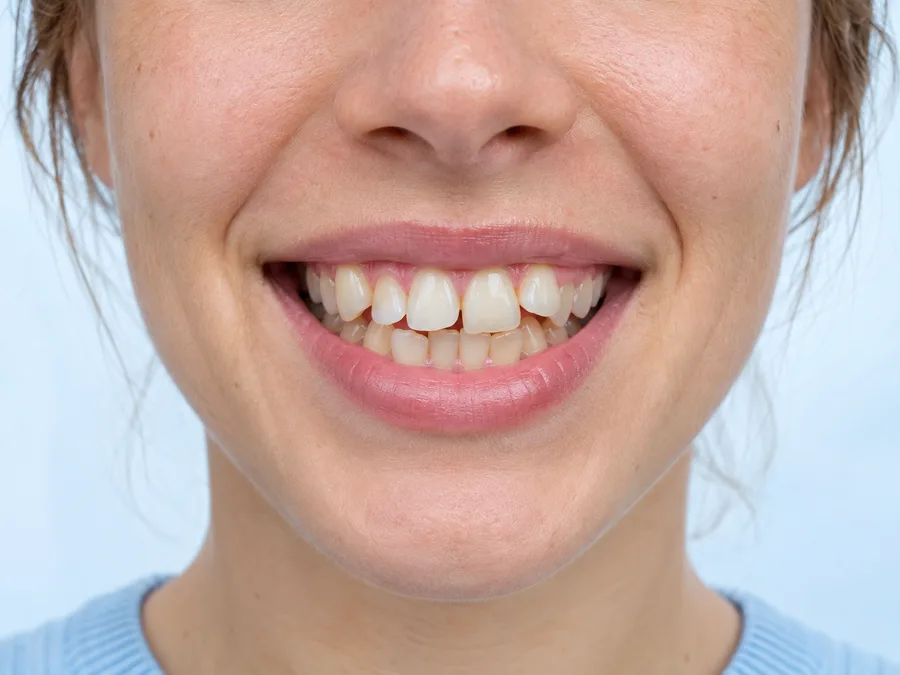
Aligners can straighten teeth according to the dentist’s plan.
Ask about this case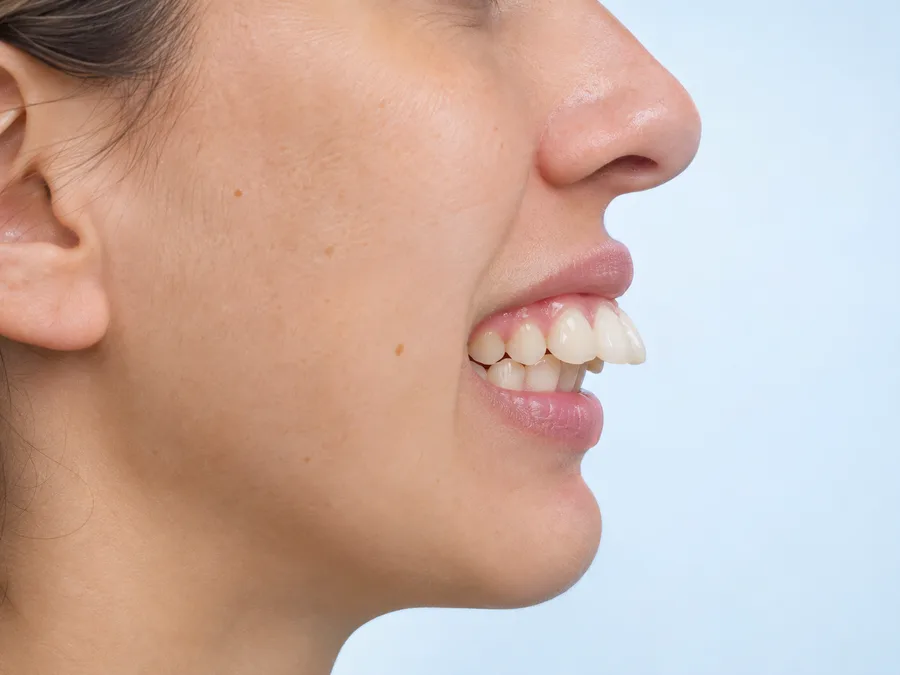
The cause — teeth or jaw — must be identified to choose the right approach.
Ask about this case
Clear trays are barely visible — ideal if appearance matters during treatment.
Ask about this case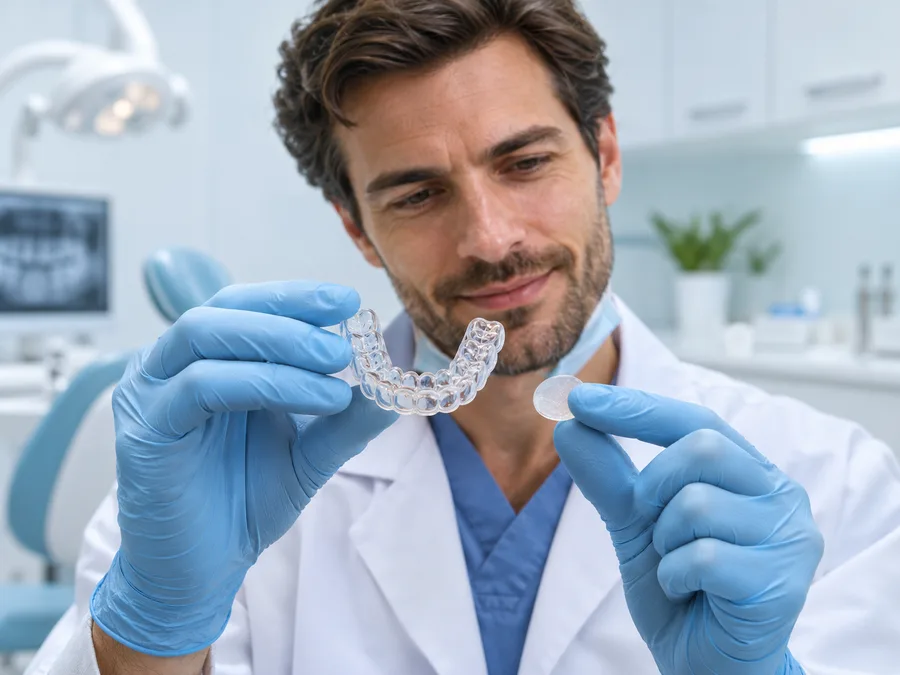
Mention allergies so the dentist can check tray and attachment materials.
Ask about this case
Tray pick-ups can be planned around your travel; check-ups are still needed.
Ask about this case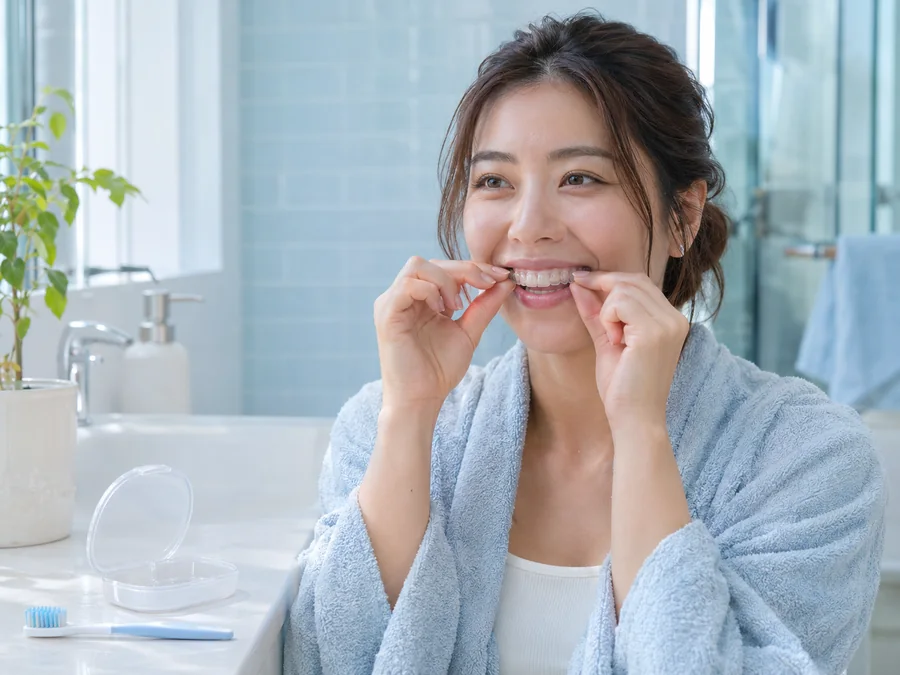
Following wear time, changes and cleaning is essential.
Ask about this case
Discreet orthodontics that fits into daily life.
Clear trays hug the teeth and draw little attention when you talk or smile.
Remove them to eat and brush, making cleaning easier.
Smooth trays without brackets or wires; some pressure is normal with new trays.


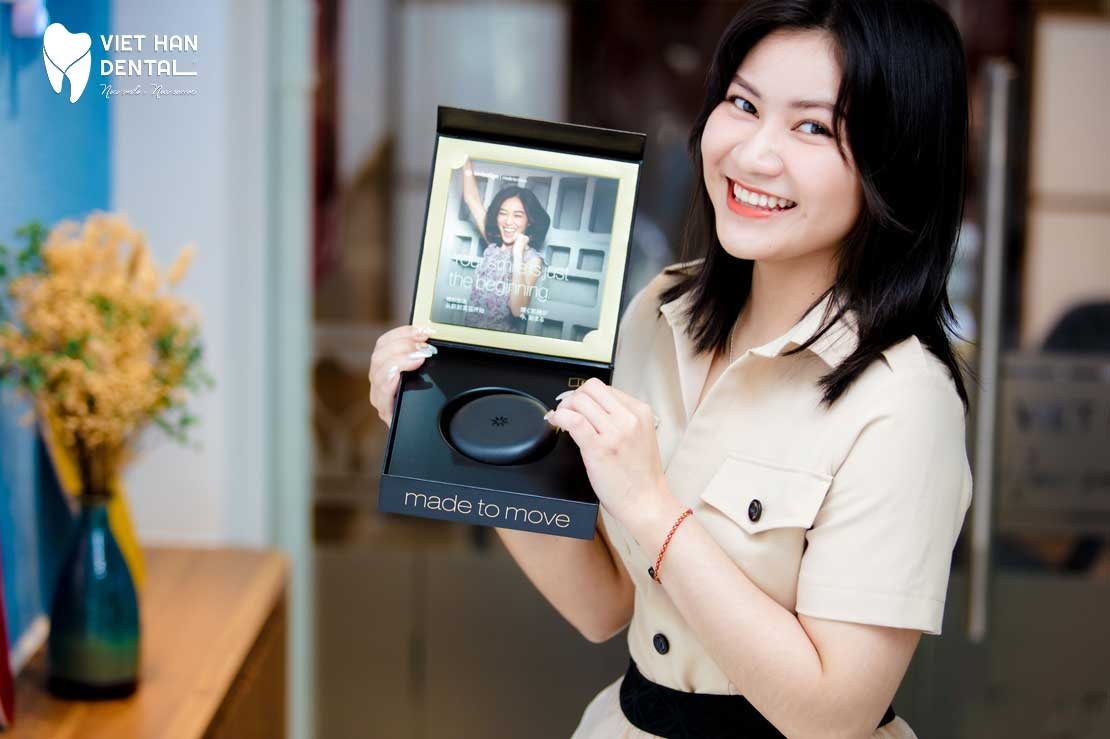
Genuine trays use orthodontic-grade material; mention any allergies.
Change trays at home as planned, with personalised check-ups.
A digital simulation shows the planned movement; real results may differ.
The dentist assesses teeth, bite and jaw to diagnose correctly and control tooth movement.
Based on the exam, X-rays and scans, with clear goals, timing and cost.
Wear them enough, change on time, clean well and keep visits; then wear your retainer.
The dentist checks fit, movement and gum health and adds trays if needed.
7 steps from examination and tray design to retention.
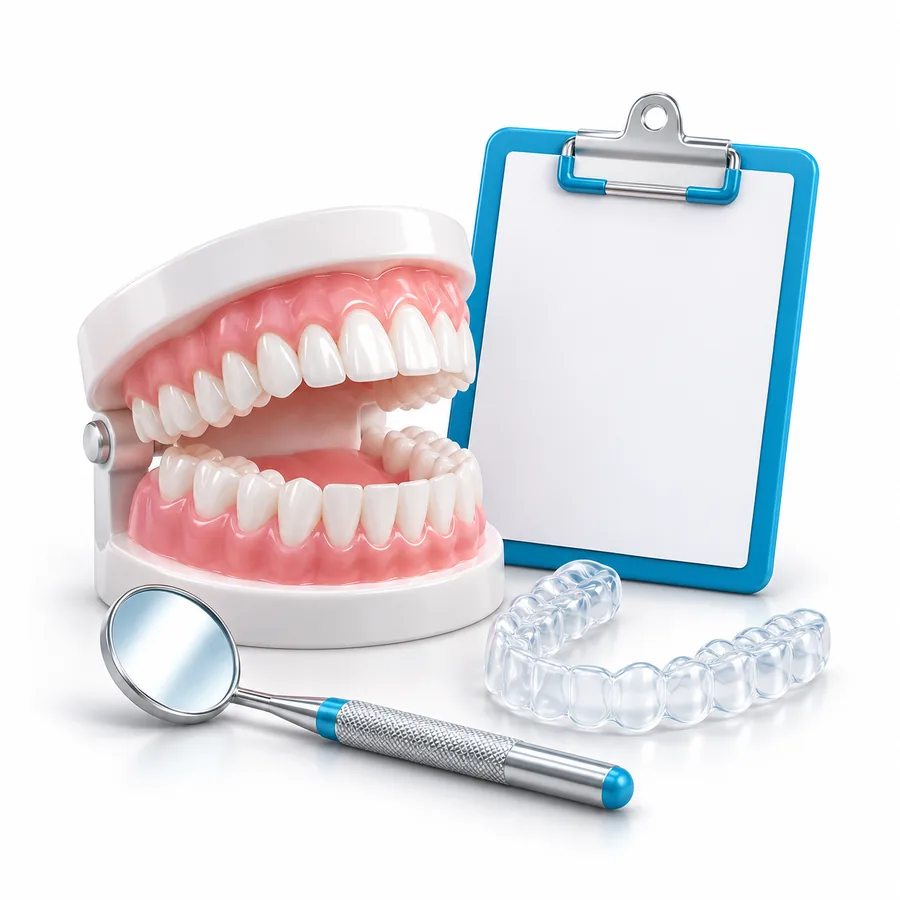
Teeth, gums and bite checked. X-rays as needed.
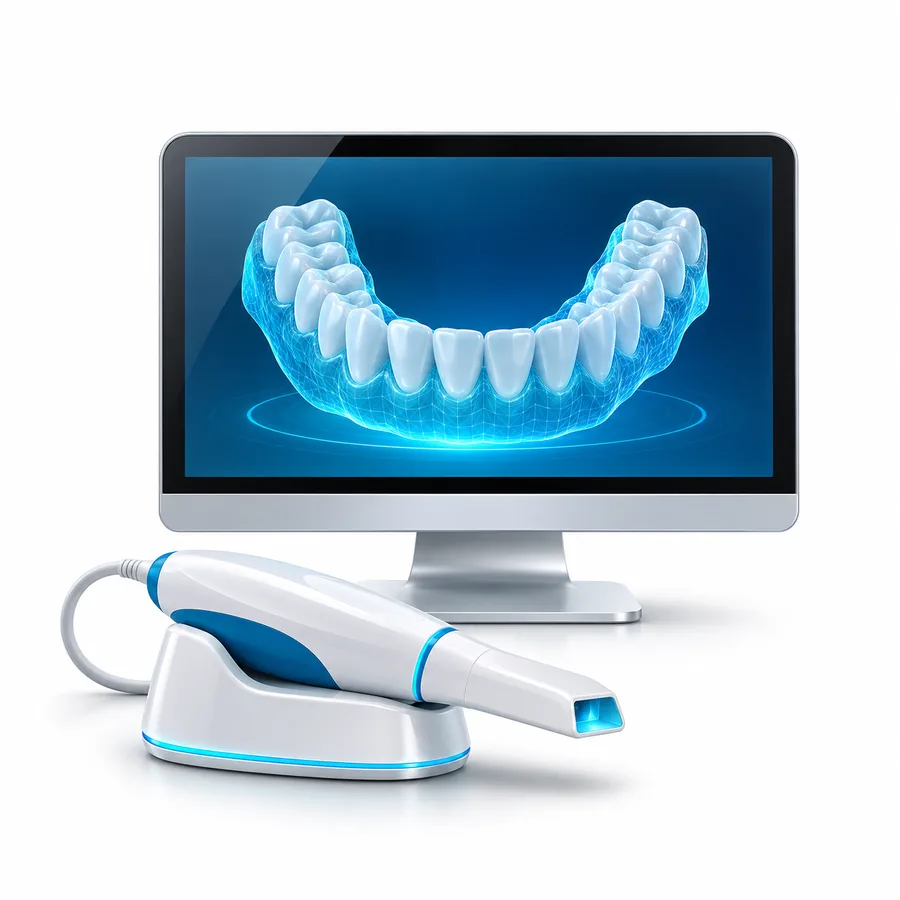
Photos and a 3D scan record your teeth and arches.
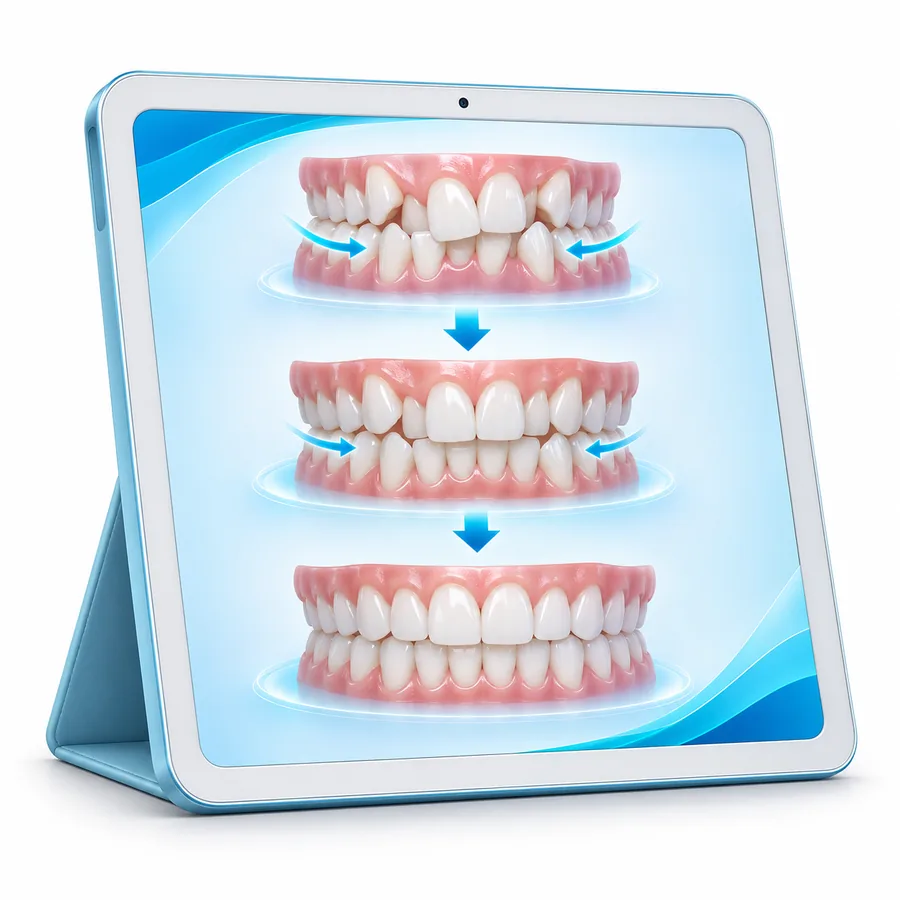
Simulated movement, goals, expected time and cost.
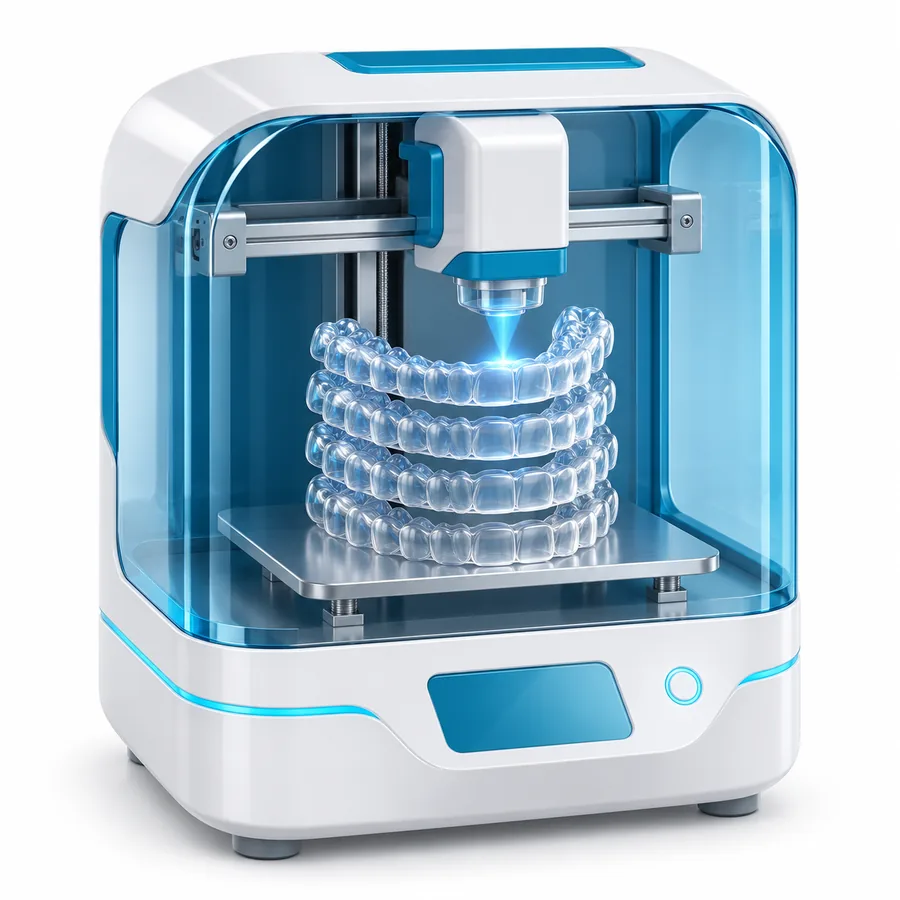
Trays are made to the agreed plan.
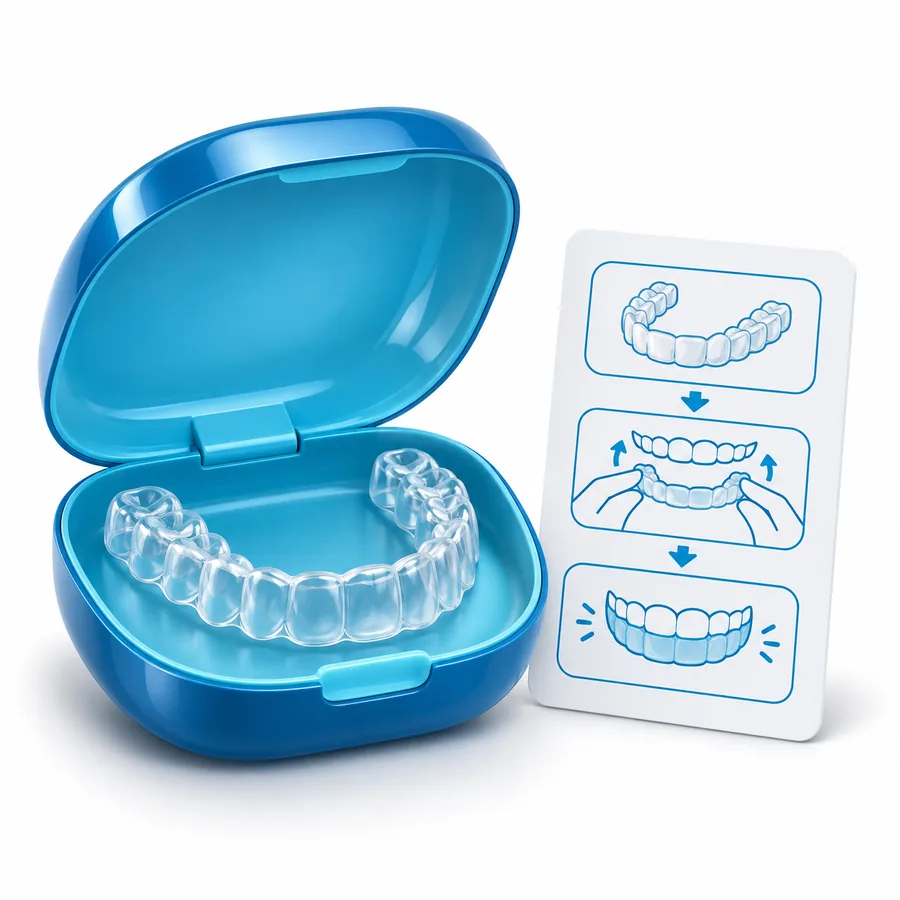
Fit checked, attachments placed if needed, wear and care explained.
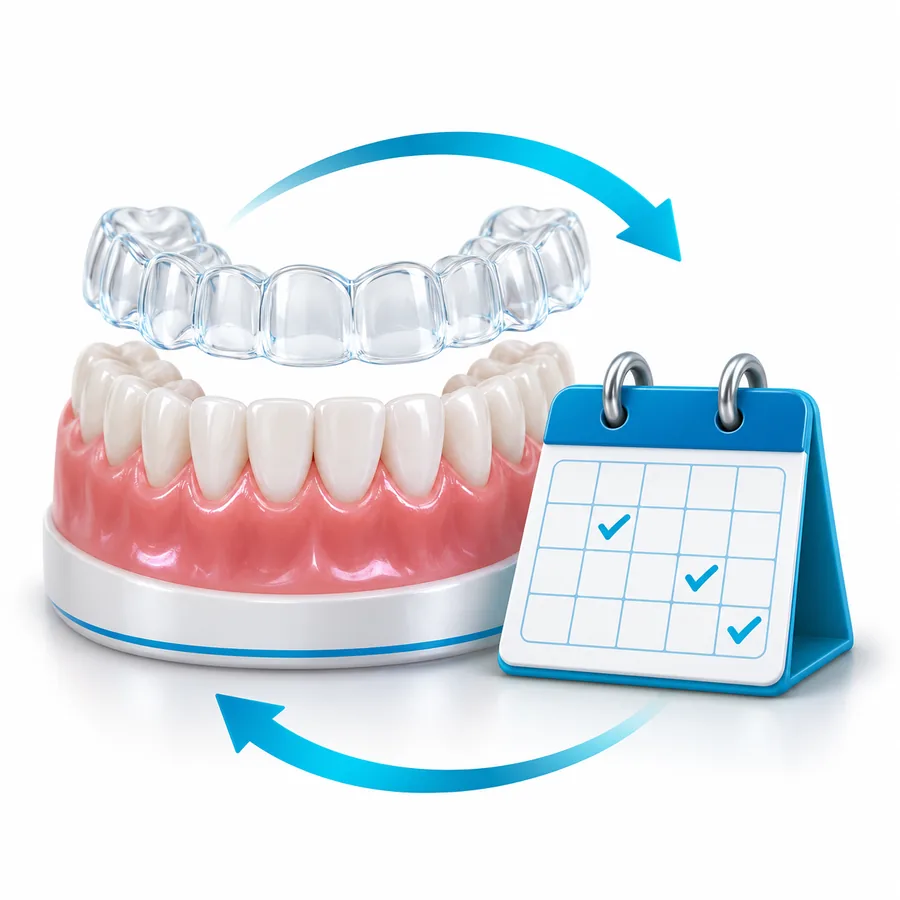
Movement and gum health tracked. Adjusted when needed.
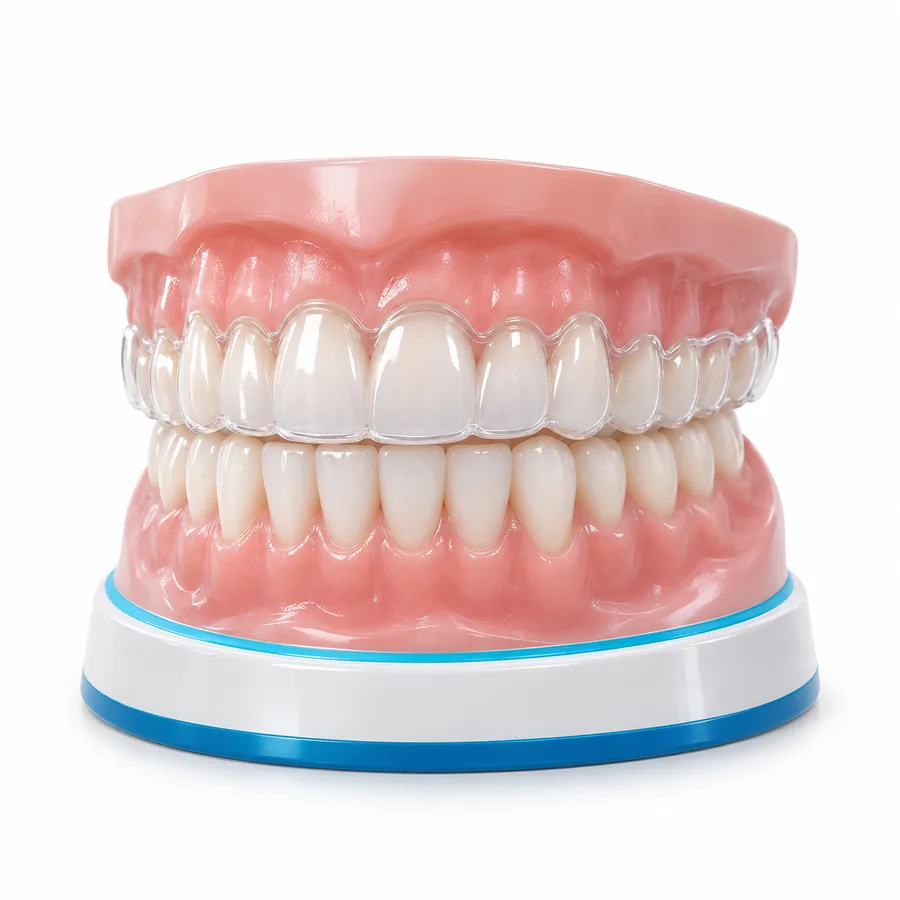
Result reviewed, retainer and check-ups explained.
Note: Tray count, change schedule and visits depend on your case, the system and how teeth respond.
Ask about the processKnow each stage to work alongside your dentist.
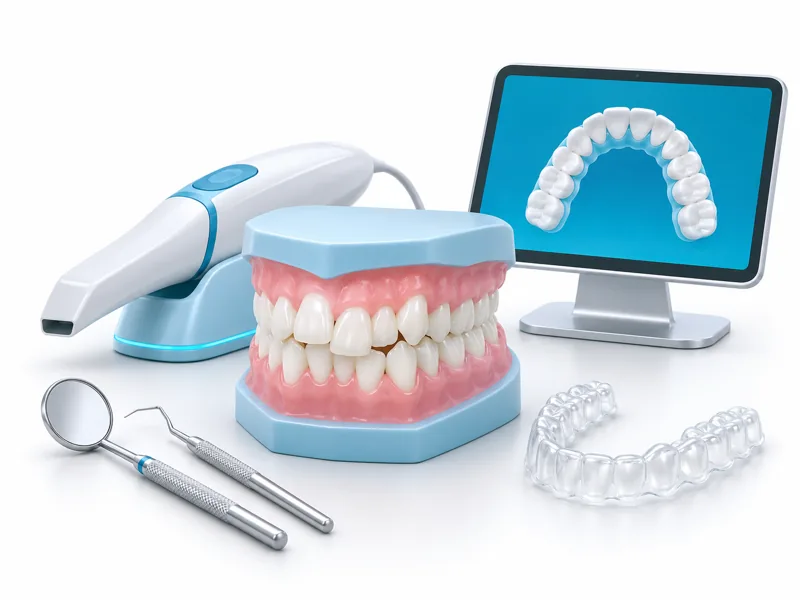
The dentist checks your teeth, gums and bite and orders the X-rays needed to assess the jaw.
Based on the findings and your goals, you learn whether aligners suit you and what to consider.
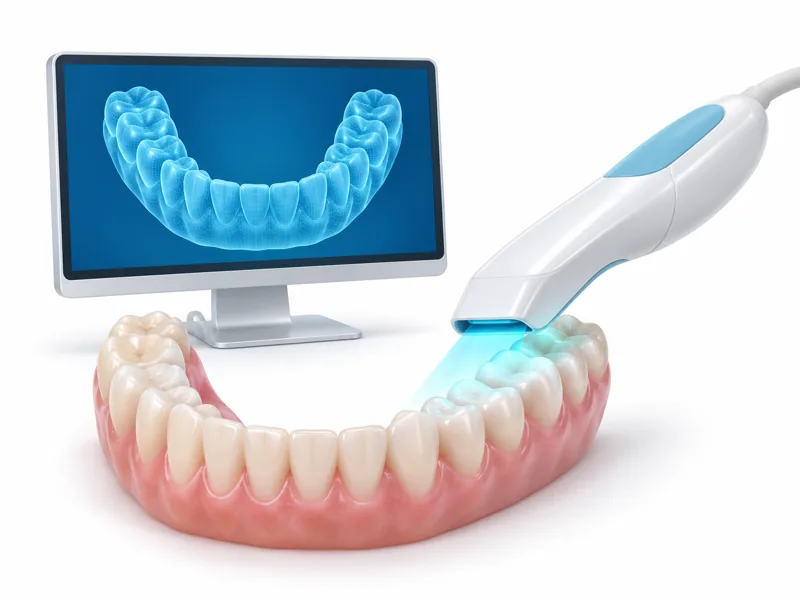
A 3D scan records your teeth, arches and bite and is combined with X-rays and photos for planning.
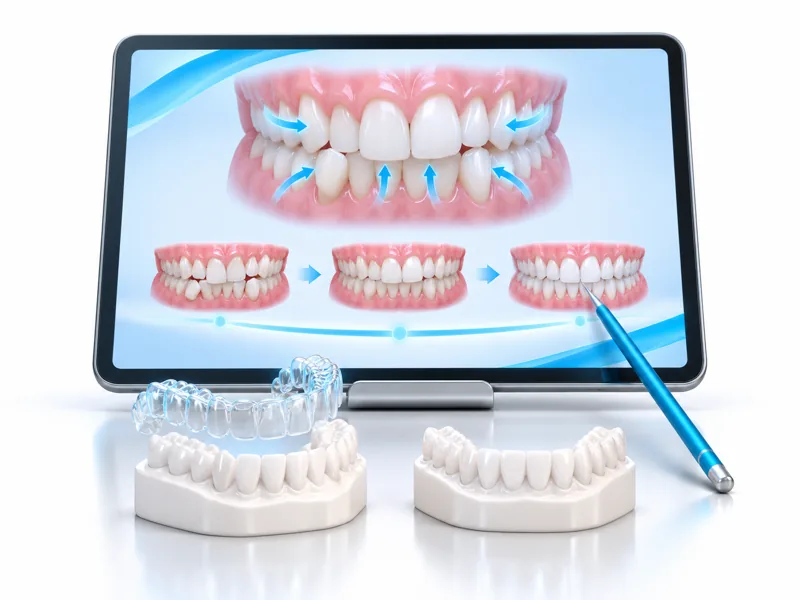
The dentist simulates the movement and sets goals, the expected number of trays, cost and any supporting procedures.
The simulation helps you picture the path; real results may differ.
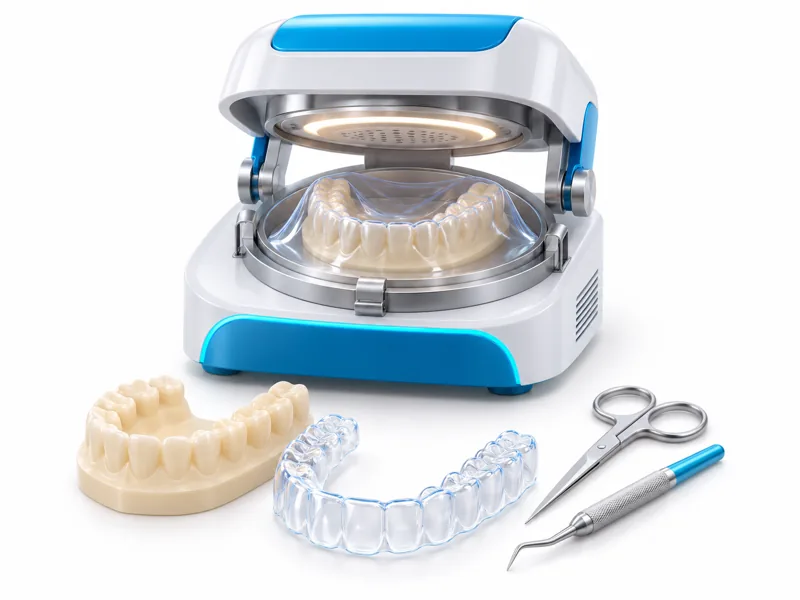
Once the plan is agreed, trays are made for each stage; lead time depends on the system and number of trays.
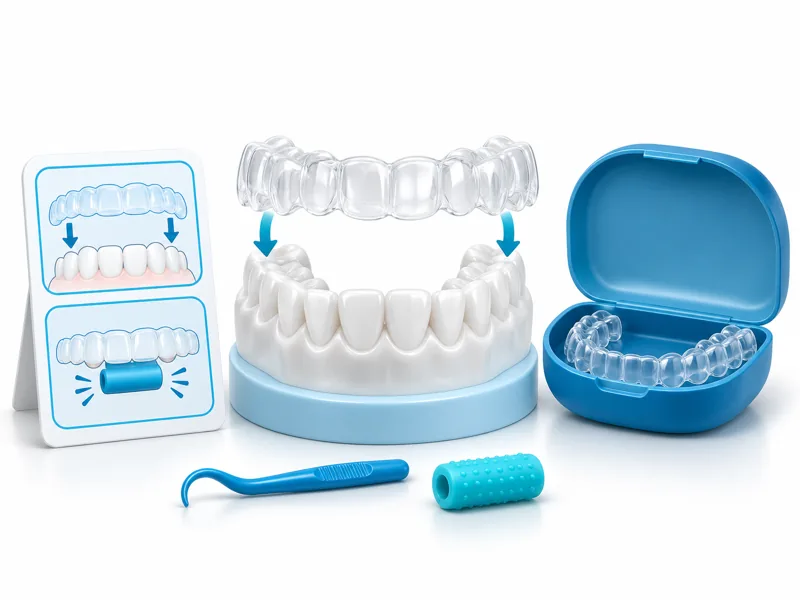
The dentist checks the fit, bonds small attachments if needed and shows you how to insert, remove and clean trays.
Wear them about 20–22 hours a day as advised; don’t switch early or skip trays.
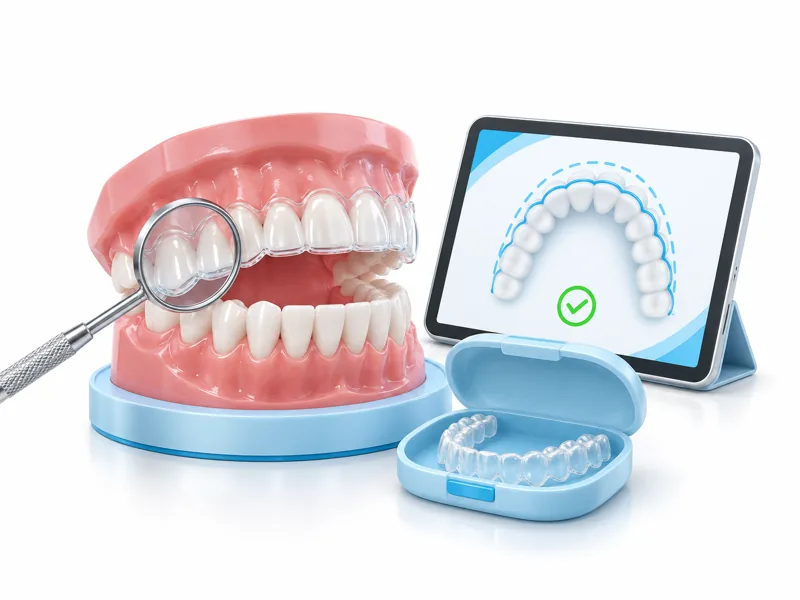
Regular visits check tray fit, tooth movement and gum health.
If teeth are off-track, the plan may be adjusted or refinement trays prescribed.
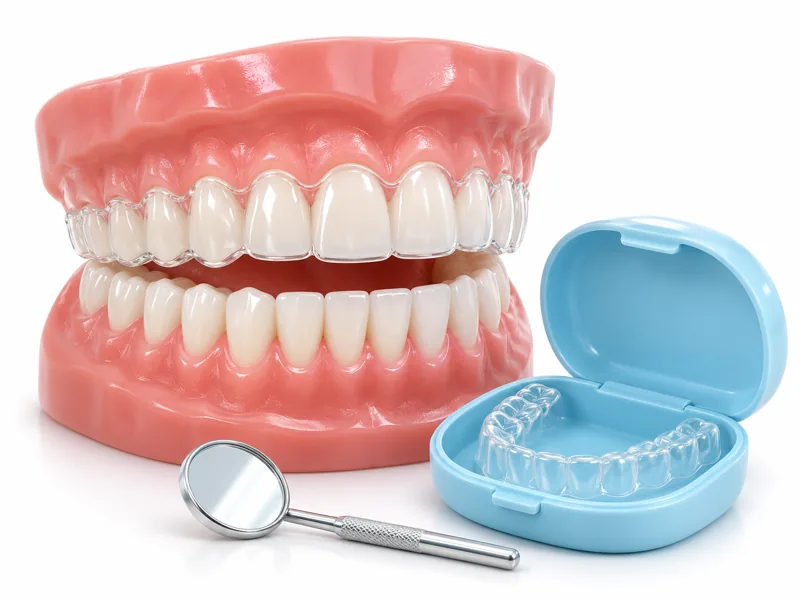
At the end, the dentist reviews tooth position and bite, removes attachments and polishes the teeth.
Wear your retainer long-term and keep check-ups to keep teeth stable.
The right care at each stage protects your teeth and result.
Understand the plan, get ready
Choose a reputable clinic: A licensed clinic with experienced orthodontic dentists.
Check your oral health: Treat decay and control gum disease first.
Talk to your dentist: Share your goals, allergies, medication and budget.
Understand the plan: Agree on tray count, cost, timing and possible extras.
Be ready to commit: Make sure you can wear trays enough each day.
Wear them enough, clean them well
Wear them long enough: Usually 20–22 hours a day; remove only to eat and clean.
Clean teeth and trays: Brush before refitting; rinse trays in cool, not hot, water.
Eat and drink sensibly: Remove trays to eat or drink anything but water.
Change trays on time: Don’t switch early, skip trays or use cracked ones.
Keep appointments: Tell us early about poor fit, lost trays, loose attachments or lasting pain.
Keep the result stable
Wear your retainer: Follow the long-term schedule; don’t stop once teeth look straight.
Keep the retainer clean: Clean as advised, avoid hot water and store it in its case.
Keep up oral care: Brush, clean between teeth daily and have regular check-ups.
Watch for changes: Tell us if teeth move or the retainer is lost, broken or no longer fits.
Regular check-ups: Visits to monitor the bite, gums and retainer.
Clear aligners — clear advice, responsible care.

Teeth, bite and X-rays assessed to see whether aligners suit you.

Goals, limits and supporting procedures explained — no one-size-fits-all.

Clear details on the system, material and package, agreed before production.

Infection control and instrument processing to professional standards.

Tray changes, check-ups and progress milestones set out clearly.

Package, possible refinements and payment terms agreed first.

Scans, photos and X-rays stored at each stage to track progress.

Retainer, cleaning and check-up guidance, and help when needed.
Dentist
Dr. Ngan is a specialist in aesthetic porcelain restorations, general dentistry and orthodontics – including traditional braces and Invisalign clear aligners.

Dentist
Dr. Thinh’s strengths are dental implants, aesthetic restorations and oral surgery, with a focus on conservative, precise treatment tailored to each clinical situation.

Dentist
Dr. Thanh Nga graduated from a renowned university in the Republic of Belarus.
Dentist
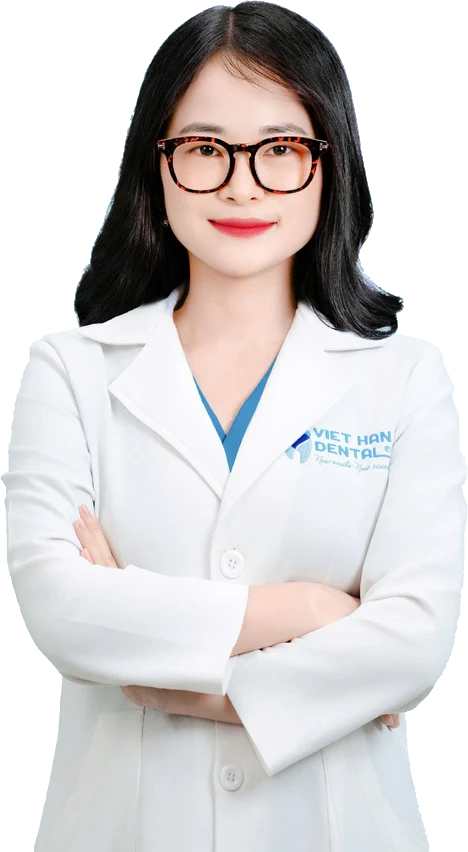
Dr. Giang has successfully treated many patients at Viet Han Dental, from traditional braces to the most modern orthodontic methods.
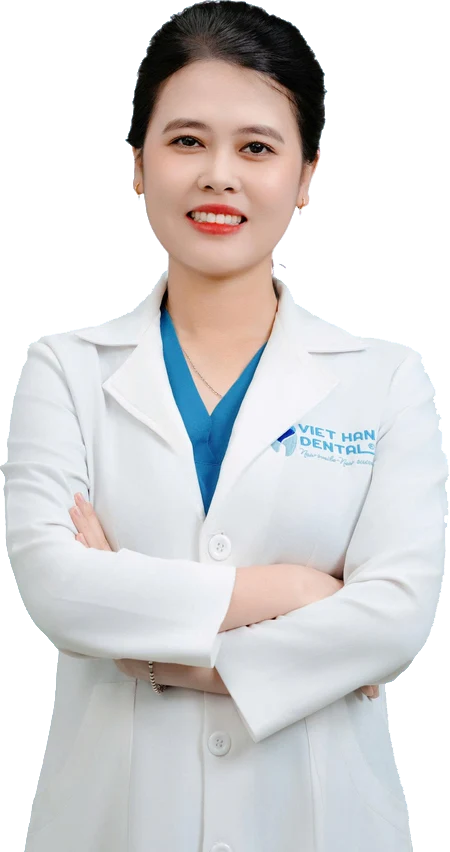
Dentist
Dr. An is a specialist in aesthetic orthodontics.

Viet Han publishes Invisalign package prices by scope and duration. The final cost is confirmed after the dentist assesses your case.
| Service | Details | Cost |
|---|---|---|
Clear aligners | ||
| Express package (approximately 1 year, depending on refinement plan) | As indicated | 49,000,000 VND |
| Lite package (approximately 2 years, depending on refinement plan) | As indicated | 70,000,000 VND |
| Moderate package (approximately 3 years, depending on refinement plan) | As indicated | 100,000,000 VND |
| Comprehensive package 3 years TED | As indicated | 120,000,000 VND |
Just tell us about your teeth and goals; you don’t need to choose a system or package yourself.
Worried about comfort, wear time or which package? You can share it all.
The Viet Han dental team
Viet Han uses traceable brackets. Your dentist recommends the type based on your case, aesthetic wishes and budget.
Removable clear aligners, almost invisible when you talk; custom-made from a 3D ClinCheck plan and changed stage by stage.
Durable, strong and affordable; suits many cases.
A sliding clip holds the wire instead of ties, trapping less food and easing wire changes.
Tooth-coloured and discreet; careful cleaning keeps them looking good.
Ceramic aesthetics plus self-ligation; usually the highest cost.
Viet Han understands that every diagnosis and treatment plan shapes each patient’s smile and facial appearance. Our dentists continually develop their expertise, placing treatment quality and the preservation of natural teeth first, with a commitment to professional growth and attentive care.

Digital impressions and clear images help the dentist assess your teeth and explain treatment options.

A specialised device used in regenerative medicine, aesthetics and dentistry to separate platelet-rich plasma from the patient’s own blood.

X-ray images help the dentist evaluate teeth and jaw structures and plan appropriate treatment.

Proprietary digital orthodontic treatment planning and 3D simulation software developed by Align Technology and used in the Invisalign clear aligner system.

The dental unit supports the dentist’s work and patient comfort in the treatment room.

Deep-cleans instruments, removing organic matter, blood, plaque and bacteria from surfaces and narrow grooves before sterilisation.

Ultrasonic technology assists the dentist during procedures selected according to clinical needs.

Emits short-wavelength ultraviolet light in the UV-C range to kill or inactivate pathogens.

Waiting becomes lighter and more enjoyable in a thoughtfully prepared lounge. Patients can relax with magazines, while books and comics on many topics are set aside for our youngest visitors. The lounge also offers plenty of ways to unwind: from online games to familiar board games such as chess, ludo or go. Adults and children alike can always find something to enjoy while they wait.

After your scans, you sit down with a consultant and the dentist to understand the health of your smile and the treatment plan that suits you best. During the consultation, your dentist explains the examination findings, the planned treatment steps and how to prepare. You can share your expectations and ask about timing, costs and aftercare to help choose an appropriate option together. A quiet room makes it easier to have an open, clear and comfortable conversation.
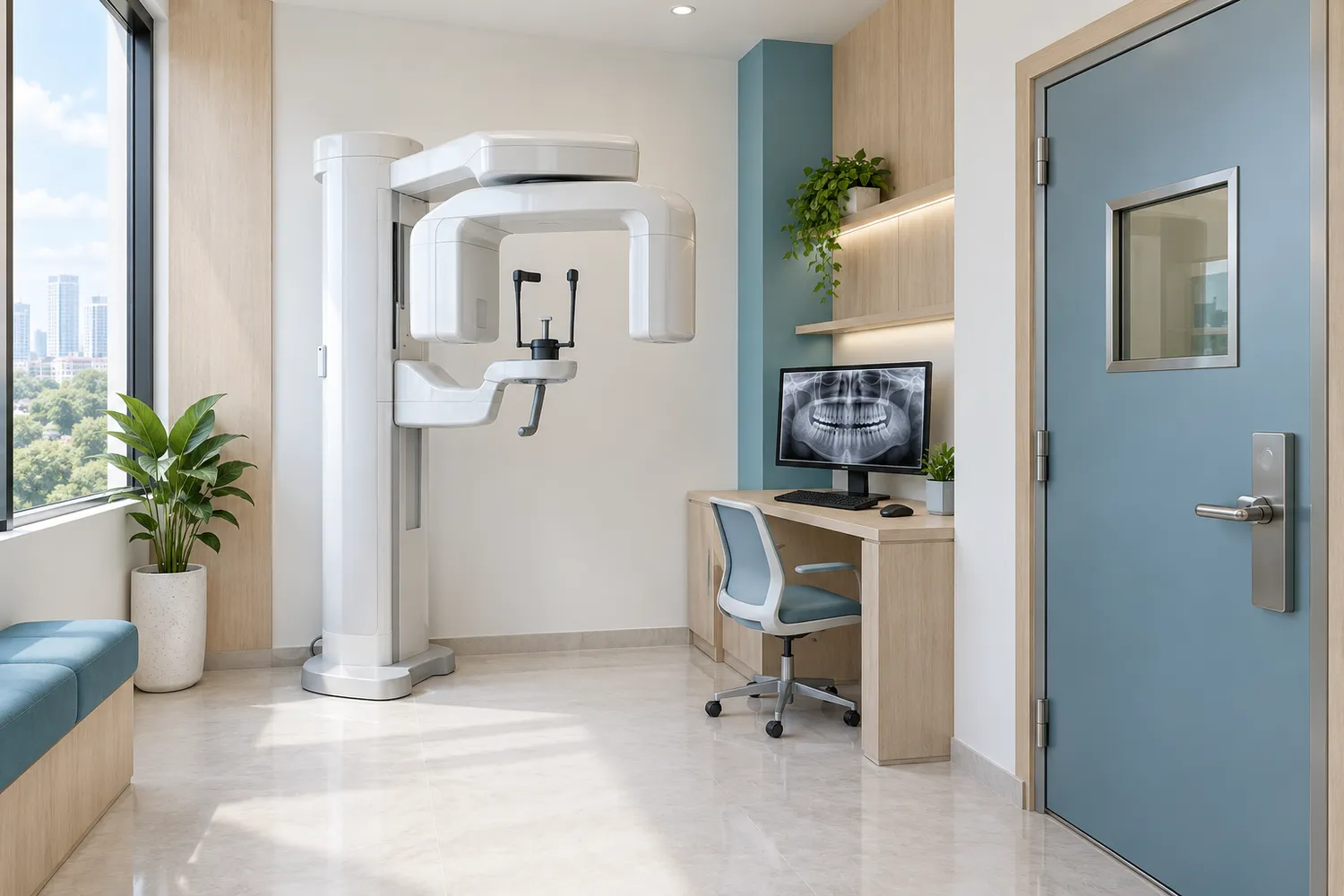
X-ray images let the dentist see the teeth, roots and jawbone, adding the information needed for an accurate diagnosis and a suitable treatment plan. The dentist chooses the right type of imaging for your condition and treatment needs, and the Viet Han team guides and supports you throughout.

The light well at Viet Han brings in natural sunlight and lets fresh air flow between floors, keeping the space airy and pleasant. A small fish pond with gently moving water adds life and calm, while carefully tended greenery brings nature closer to every visit. A peaceful corner where you can relax and feel at ease at the dentist.

Private treatment rooms help you feel more at ease at every visit. A tidy layout, soft lighting and modern equipment support the dentist in caring for your smile. Each step is clearly explained, and our attentive team stays with you so you always feel cared for.
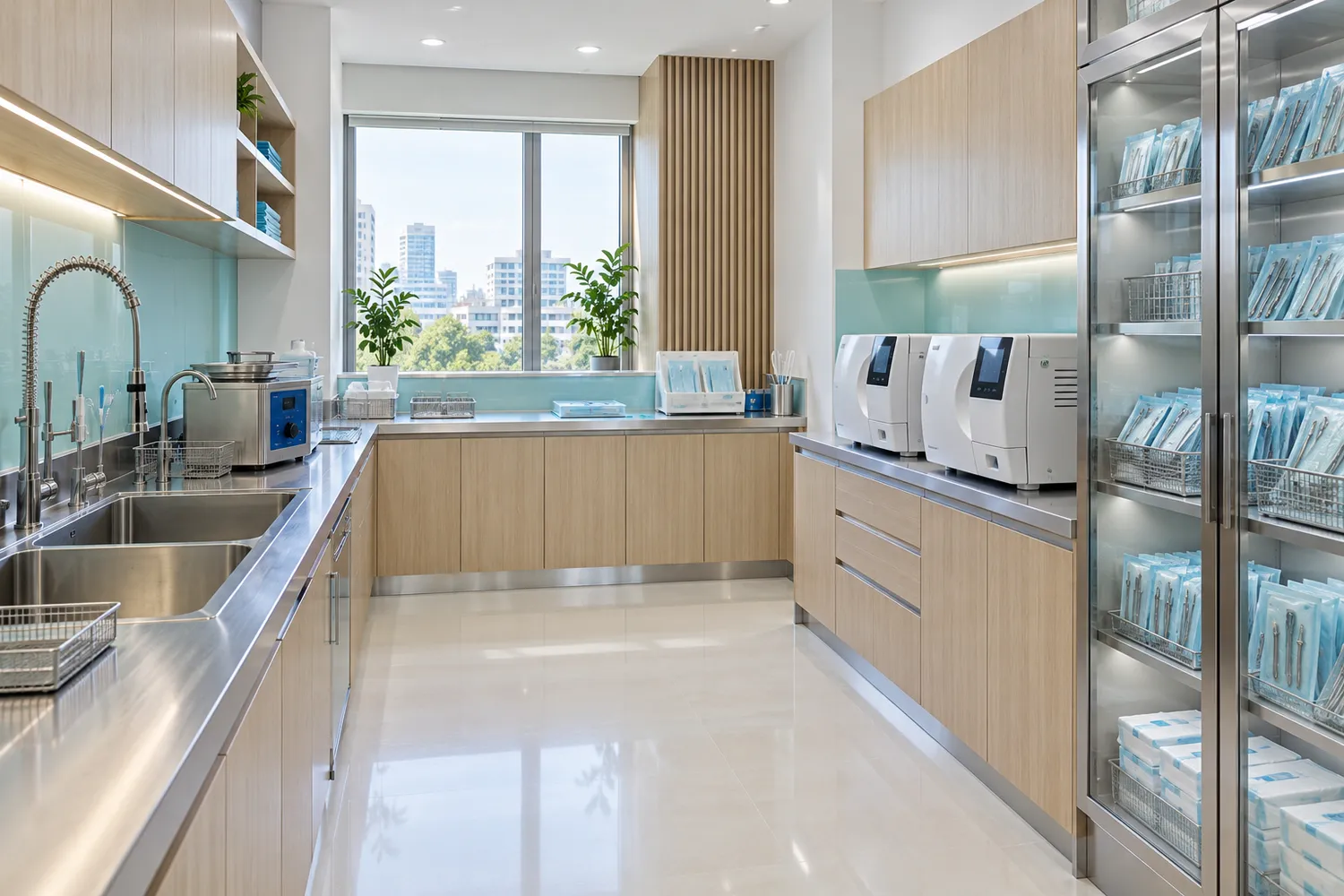
The sterilization room is dedicated to reprocessing dental instruments. Cleaning, packaging, sterilizing and storage each play a part in infection control during treatment. The room is divided into functional zones so instruments are handled and stored in an orderly way, keeping used and sterilized instruments clearly apart.
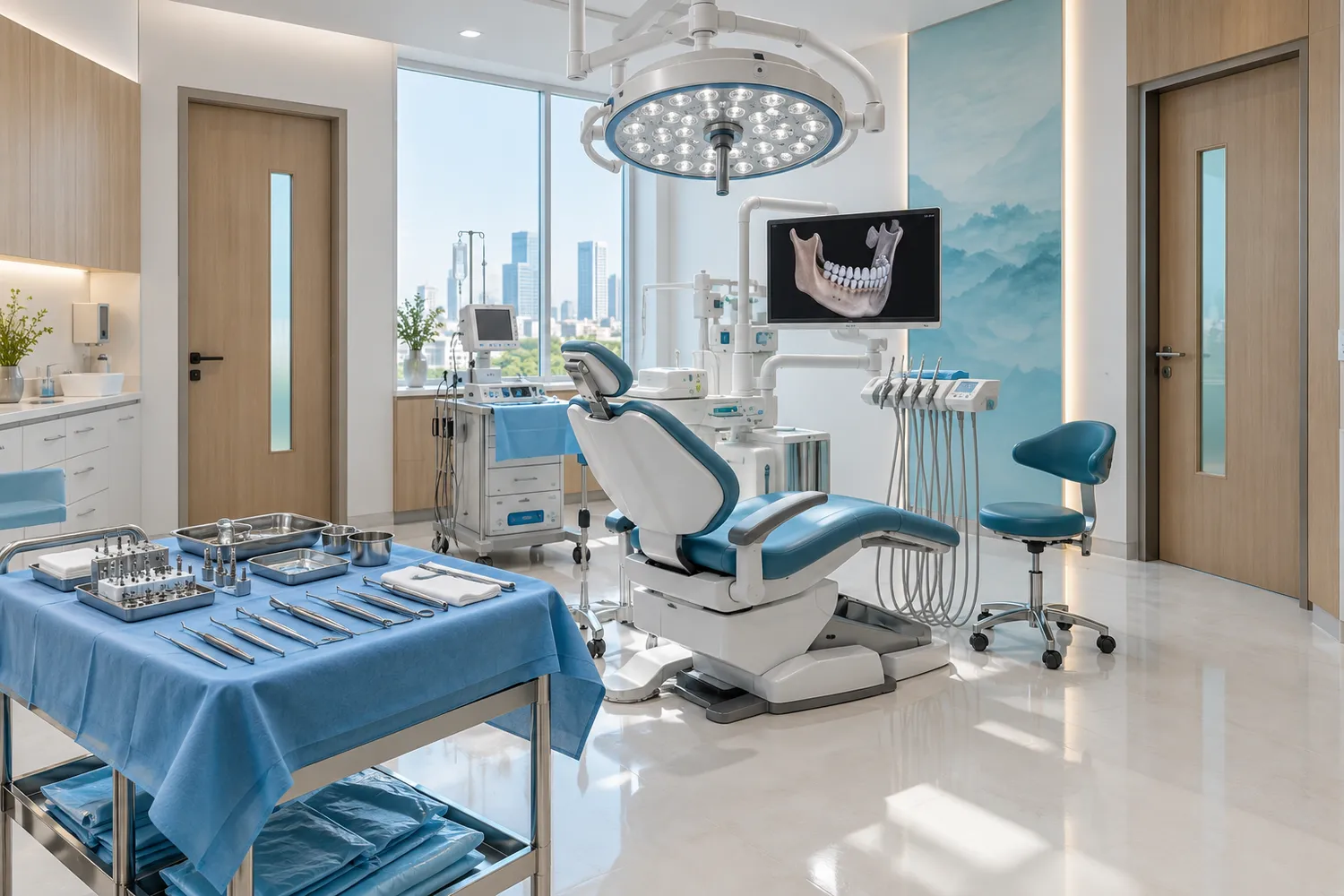
The surgical suite follows a one-way layout that separates functional areas and movement routes to support infection control throughout each procedure. Equipment and instruments are prepared for every individual surgery, and the team works closely together from preparation to monitoring, with your safety and peace of mind first.

After surgery, patients can rest in the recovery room as advised by the dentist. The quiet, private space helps you relax before going home. The medical team monitors your condition after treatment, helps whenever needed and explains how to care for yourself at home. Rest time is adjusted to each patient.
Viet Han combines formally trained dentists with diagnostic data and a follow-up process to build the right plan for every patient.

Viet Han Dental operates under a medical examination and treatment licence issued by the Department of Health. You can view the licence at the clinic.

Dentists treating patients at Viet Han hold practising certificates issued by the competent authority and work within their professional scope.

Our restorative dentists have advanced training in cosmetic porcelain teeth, smile design and restoring chewing function; their degrees and certificates are published in their dentist profiles.
Real journeys of patients with different dental conditions and smile goals at Viet Han Dental.

Braces with a personalized plan
Her teeth and bite needed realigning after the orthodontist analyzed her X-rays and dental models.
The orthodontist set movement goals for each stage, monitoring the archwires and her ability to clean around the brackets.
The dental arch changed as treatment progressed; the final result depends on the initial condition and compliance.
One examination will help you understand your teeth, the options available and a plan that fits the smile you want.
Book a clear aligner consultation
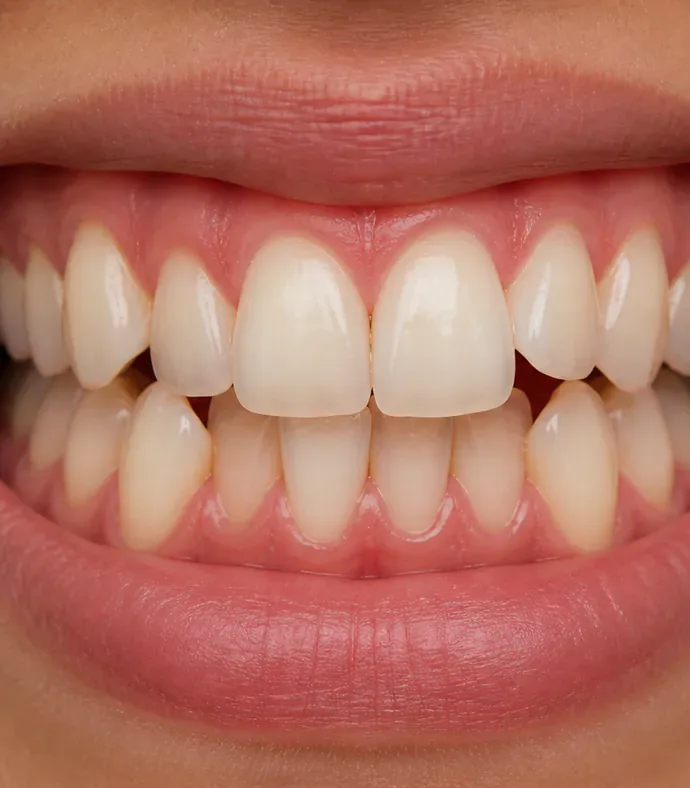 Before
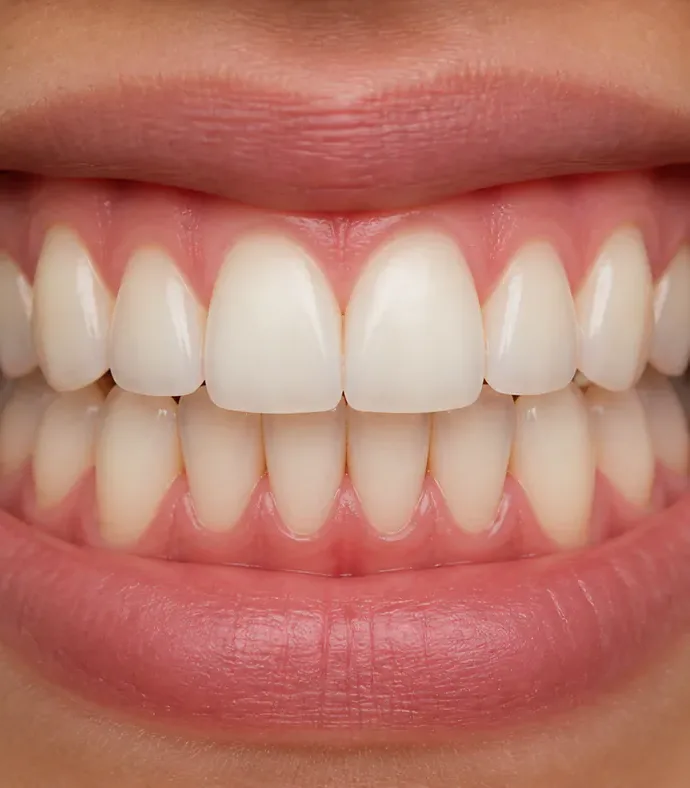 After
Yes, I am 100% satisfied. First of all, I won't pick a dental place without reading their review. My main concern was not to go through a place less than 4.5 stars, why? Well simple, I wouldn't want to fly back if something went wrong. But wow! Luckily I chose the right place. The staff was friendly. Ms. Hoan - my dentist was incredibly talented, very detailed, patience, warm, and not satisfied until I am happy with the work she did.

I am an expat in Nha Trang and luckily I found this clinic. I have my tooth removed here, it did not hurt as I imagined. Doctor and staff are professional and polite! Recommend to you!

My friend recommended me to visit this clinic. I made an appointment to Dr.Mary, she is the specialist from Brazil. And I totally loved it!❤️ I think it was my best time at the dentist ever. If you are in Nha Trang you should come to this clinic for sure. The dentist are very friendly and professional. The building looks very nice too.

I had my 4 wisdom teeths extraction in Viet Han Dental done. It was very gentle and calm even my case was kinda difficult. Very clean and professional, doctors and their assistants, also receptionist can speak English very well. Highly recommend !!!

If you need to go to a good dental clinic in Nha Trang, I would really suggest going to this place. The young woman who welcomes new patients and liaisons between foreign customers and the dentists how does a wonderful job. She has great English communication skills and she's very helpful and informative.

I highly recommend this clinic! The stuff is very friendly, hospitable and helpful! Also very client oriented, once I forgot my money, so they said I can bring it next time! Doctor Mary from Brazil is an amazing specialist! I treated all my teeth with her and even took one out, the procedure took about 5 minutes, highly professional! At last my teeth become whiter and shiny! Very thankful to her!

Xuan Quynh shares her orthodontic journey
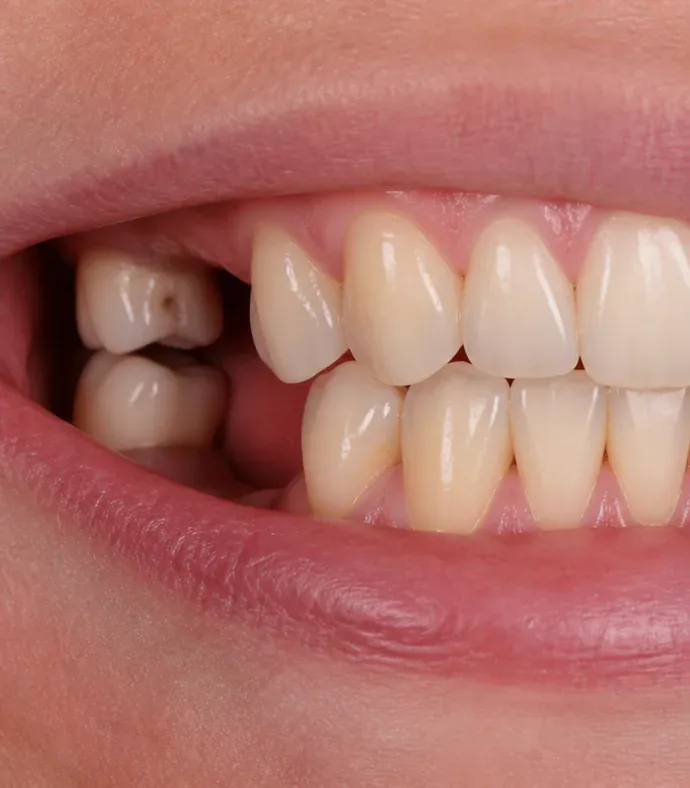 Before
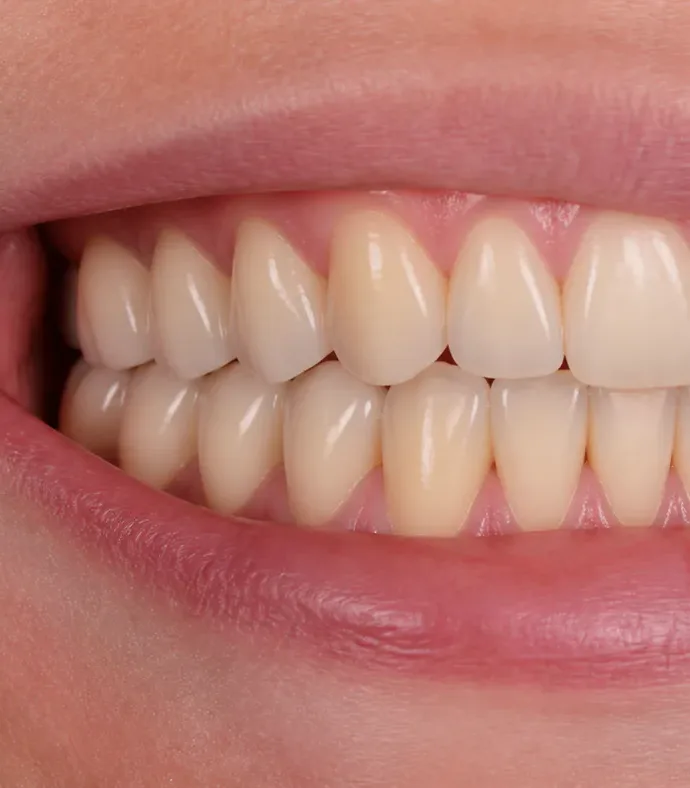 After
I am an expat in Nha Trang and luckily I found this clinic. I have my tooth removed here, it did not hurt as I imagined. Doctor and staff are professional and polite! Recommend to you!
My friend recommended me to visit this clinic. I made an appointment to Dr.Mary, she is the specialist from Brazil. And I totally loved it!❤️ I think it was my best time at the dentist ever. If you are in Nha Trang you should come to this clinic for sure. The dentist are very friendly and professional. The building looks very nice too.
I had my 4 wisdom teeths extraction in Viet Han Dental done. It was very gentle and calm even my case was kinda difficult. Very clean and professional, doctors and their assistants, also receptionist can speak English very well. Highly recommend !!!
If you need to go to a good dental clinic in Nha Trang, I would really suggest going to this place. The young woman who welcomes new patients and liaisons between foreign customers and the dentists how does a wonderful job. She has great English communication skills and she's very helpful and informative.
I highly recommend this clinic! The stuff is very friendly, hospitable and helpful! Also very client oriented, once I forgot my money, so they said I can bring it next time! Doctor Mary from Brazil is an amazing specialist! I treated all my teeth with her and even took one out, the procedure took about 5 minutes, highly professional! At last my teeth become whiter and shiny! Very thankful to her!
Yes, I am 100% satisfied. First of all, I won't pick a dental place without reading their review. My main concern was not to go through a place less than 4.5 stars, why? Well simple, I wouldn't want to fly back if something went wrong. But wow! Luckily I chose the right place. The staff was friendly. Ms. Hoan - my dentist was incredibly talented, very detailed, patience, warm, and not satisfied until I am happy with the work she did.
Patient impressions after dental implants at Viet Han Dental
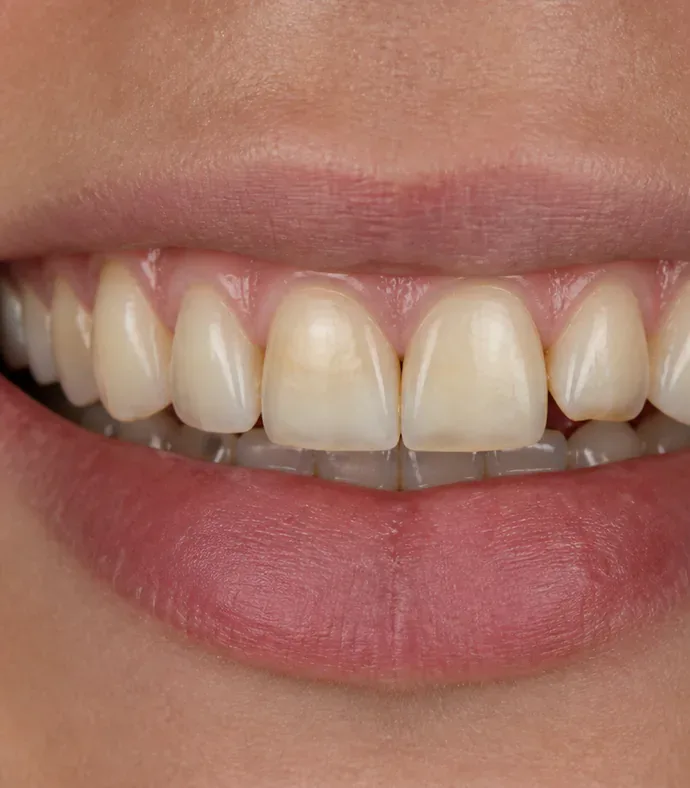 Before
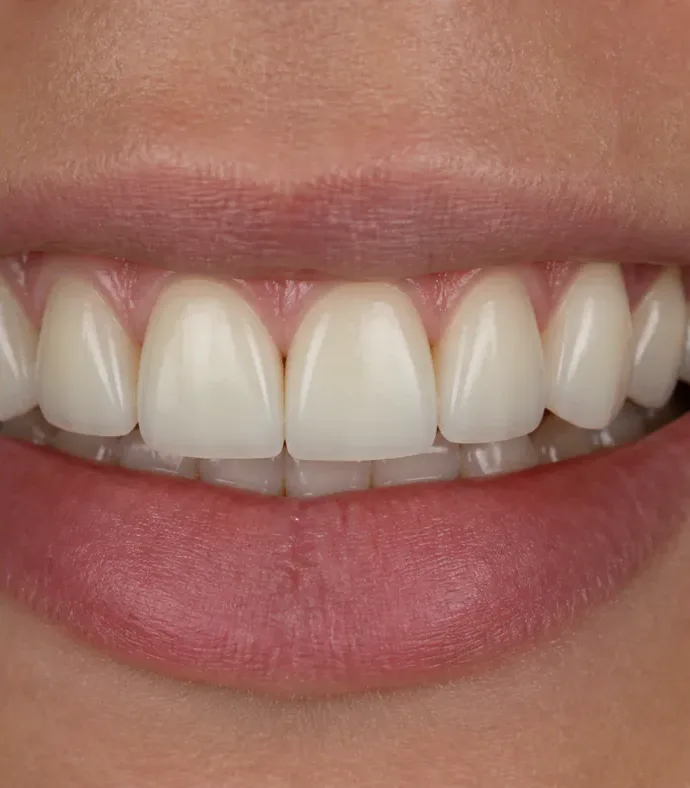 After
My friend recommended me to visit this clinic. I made an appointment to Dr.Mary, she is the specialist from Brazil. And I totally loved it!❤️ I think it was my best time at the dentist ever. If you are in Nha Trang you should come to this clinic for sure. The dentist are very friendly and professional. The building looks very nice too.
I had my 4 wisdom teeths extraction in Viet Han Dental done. It was very gentle and calm even my case was kinda difficult. Very clean and professional, doctors and their assistants, also receptionist can speak English very well. Highly recommend !!!
If you need to go to a good dental clinic in Nha Trang, I would really suggest going to this place. The young woman who welcomes new patients and liaisons between foreign customers and the dentists how does a wonderful job. She has great English communication skills and she's very helpful and informative.
I highly recommend this clinic! The stuff is very friendly, hospitable and helpful! Also very client oriented, once I forgot my money, so they said I can bring it next time! Doctor Mary from Brazil is an amazing specialist! I treated all my teeth with her and even took one out, the procedure took about 5 minutes, highly professional! At last my teeth become whiter and shiny! Very thankful to her!
Yes, I am 100% satisfied. First of all, I won't pick a dental place without reading their review. My main concern was not to go through a place less than 4.5 stars, why? Well simple, I wouldn't want to fly back if something went wrong. But wow! Luckily I chose the right place. The staff was friendly. Ms. Hoan - my dentist was incredibly talented, very detailed, patience, warm, and not satisfied until I am happy with the work she did.
I am an expat in Nha Trang and luckily I found this clinic. I have my tooth removed here, it did not hurt as I imagined. Doctor and staff are professional and polite! Recommend to you!
Maria shares how veneers completed her smile
Common questions before starting clear aligners.
Usually only pressure for a few days with each new tray; smooth trays rub less than braces.
From a few months to about 2 years depending on the case and package, followed by a retainer.
Usually 20–22 hours, removing only to eat and clean; less wear slows progress.
Some complex skeletal cases, uncontrolled gum disease or poor compliance may need another option.
Remove them to eat or drink anything but water, and brush before refitting.
Contact the clinic for advice on using the previous or next tray or a replacement; don’t skip trays.
Yes, without the retainer; retention keeps the result stable.
It depends on the package, number of trays, refinements and supporting procedures; every item is explained first.