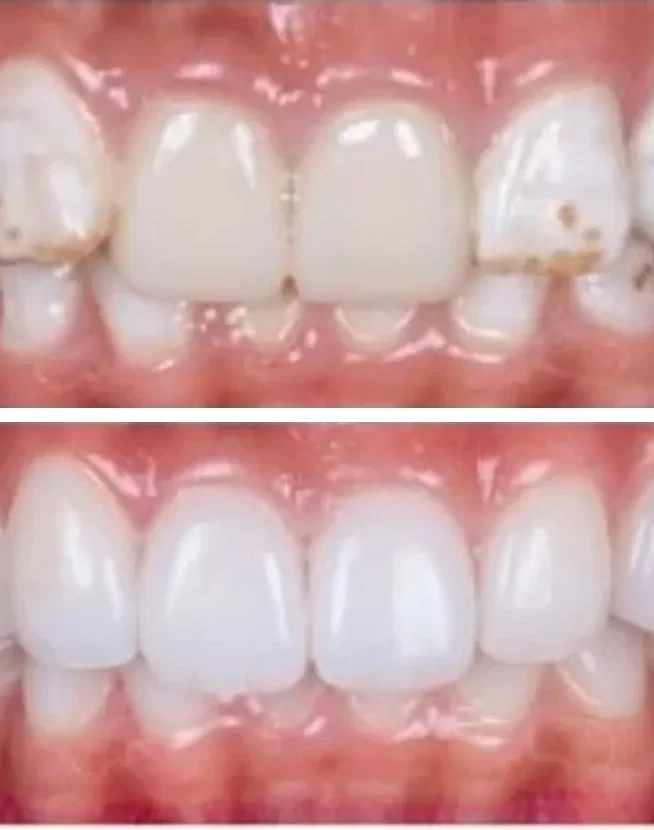
Restores shape and chewing
The porcelain crown rebuilds a tooth with a large cavity, fracture or wear, helping restore contact and chewing function when the bite is properly adjusted.





A porcelain crown restores the shape, color and chewing function of a damaged tooth, with a plan that prioritizes preserving natural tooth structure and materials of known origin.
Porcelain crowns use a crown that closely matches the shape and color of a natural tooth to cover the prepared tooth, helping restore its shape, chewing function and appearance.
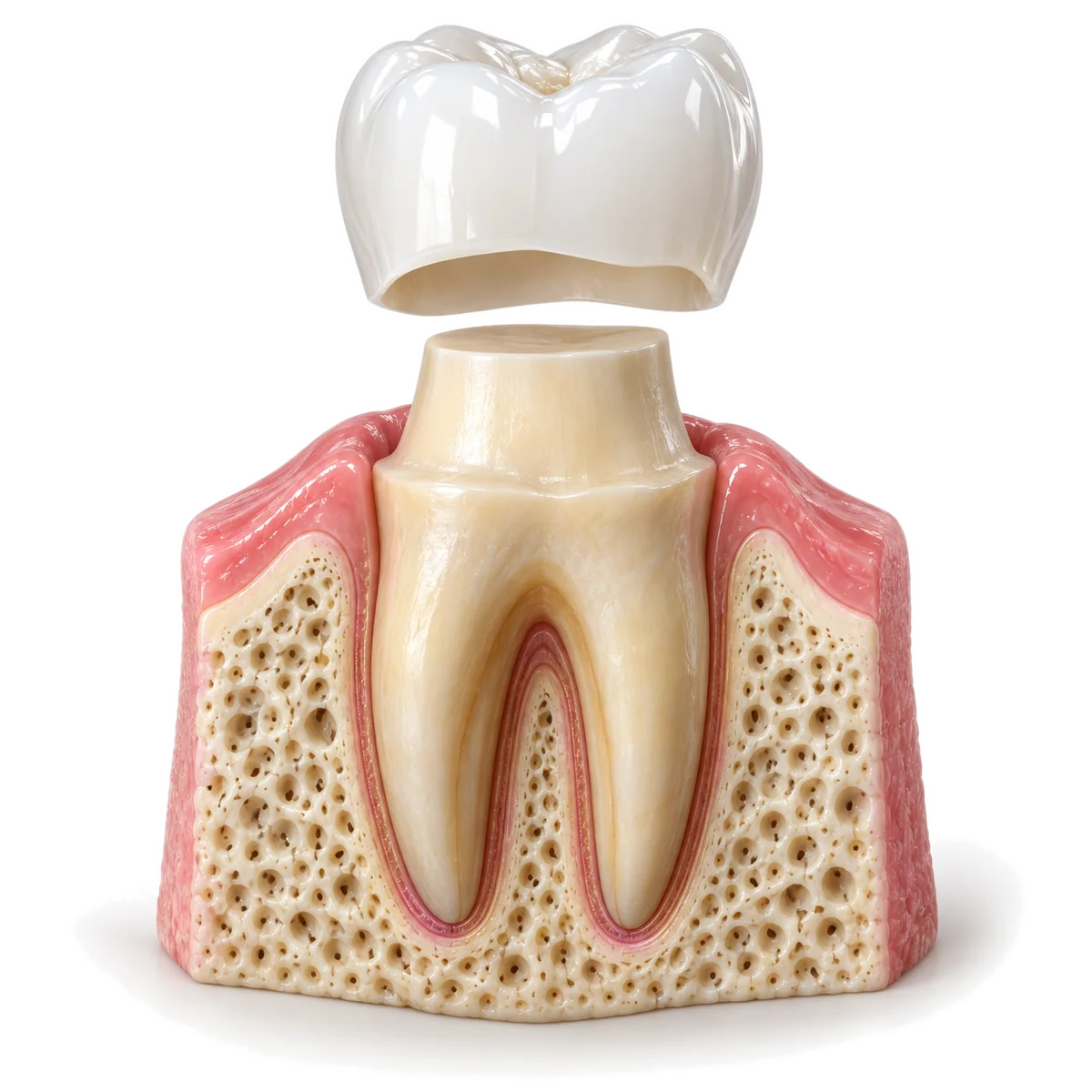
The porcelain crown covers the outside, while the natural tooth inside is preserved.
The porcelain crown is crafted to match the tooth's shape and your bite, covering the entire visible tooth like a “protective coat” to restore teeth with large cavities, fractures, chips or weakness when indicated.
The dentist removes some tooth structure to make room for the crown and help the restoration fit snugly. How much preparation is needed depends on the tooth's condition and the material, aiming to keep as much healthy tooth structure as possible.
The root stays in the jawbone. The tooth core and root are parts of the same natural tooth; the porcelain crown only replaces the covering over the visible tooth.
A porcelain bridge is a fixed restoration that replaces missing teeth by resting on the neighboring teeth. With a traditional bridge, the dentist prepares the abutment teeth, then fits a row of joined porcelain teeth on top.
When one or a few teeth are missing and the neighboring teeth can provide enough support. The dentist needs to assess the abutment teeth, gums and bite before recommending it.
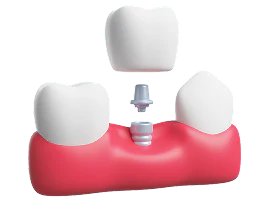
A bridge relies on the neighboring teeth; an implant has a post placed in the jawbone. The dentist will consider your teeth, jawbone and needs to advise on the right choice.
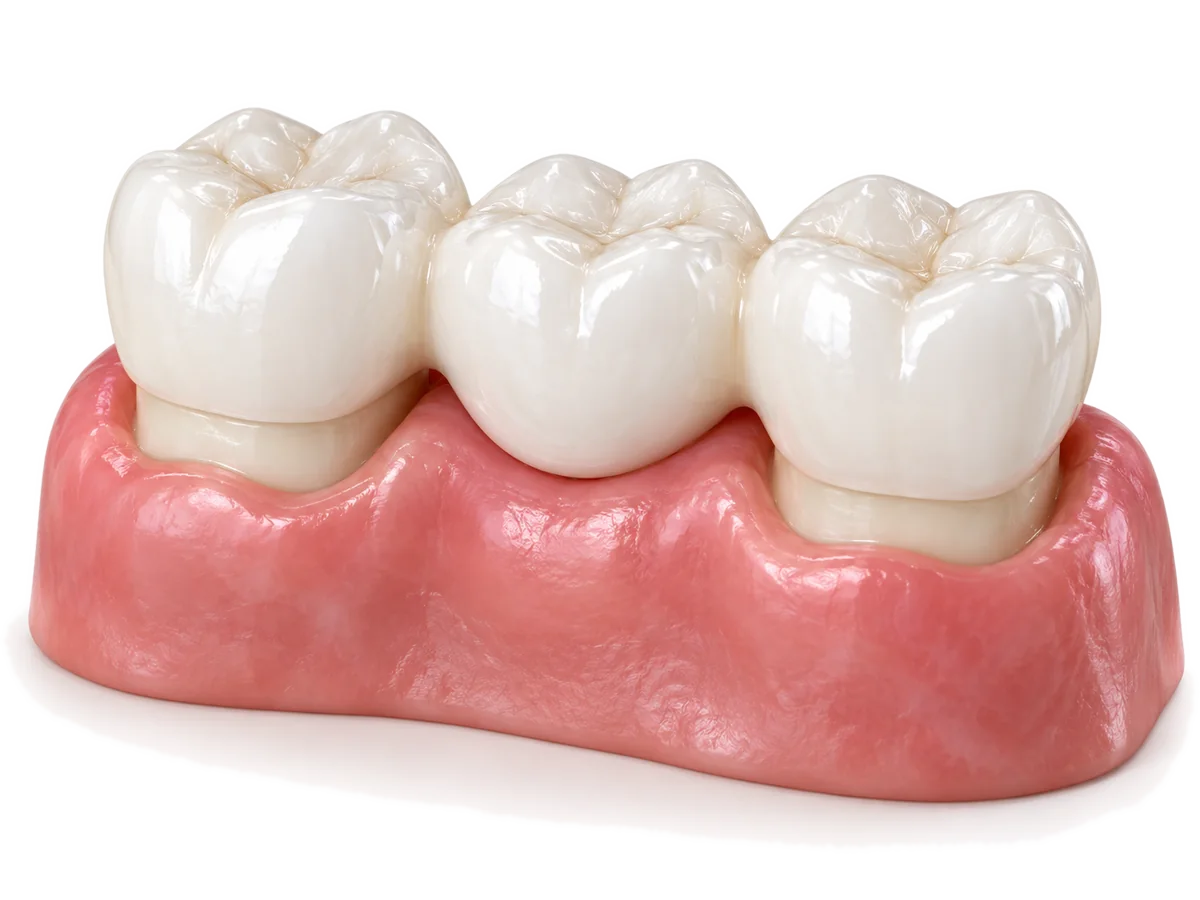
A crown should be properly indicated, based on the remaining tooth structure and the chance of preserving the natural tooth.
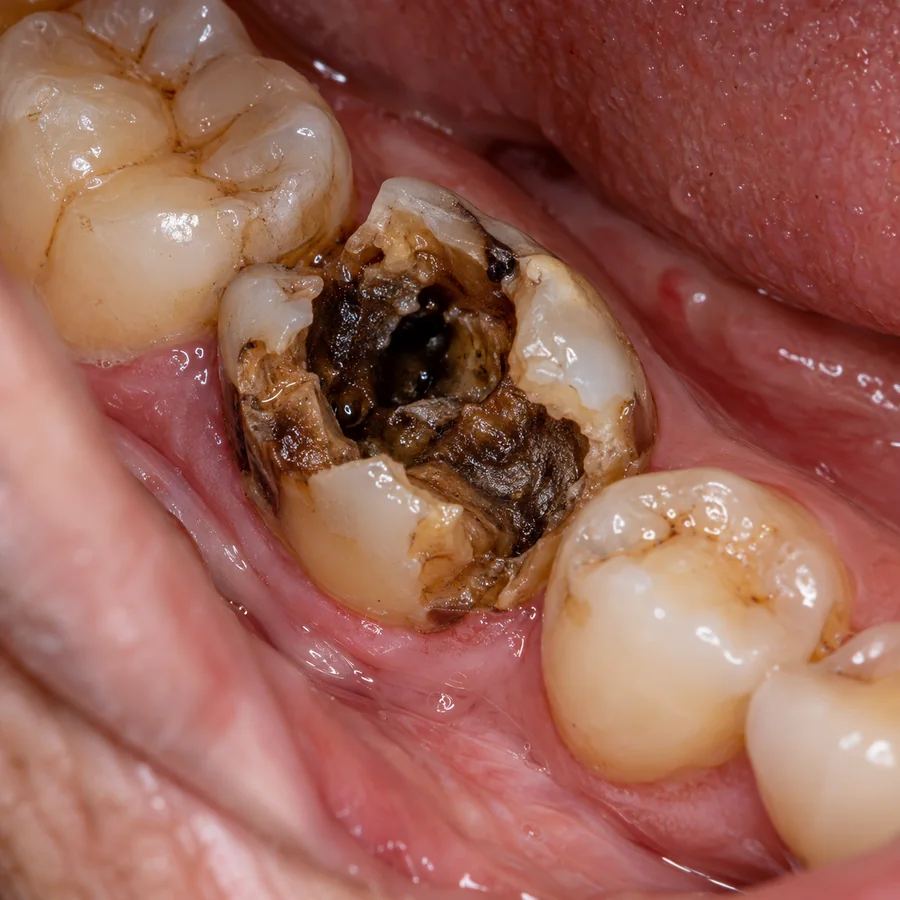
Considered when a filling or partial restoration would not be durable enough.
Ask about this case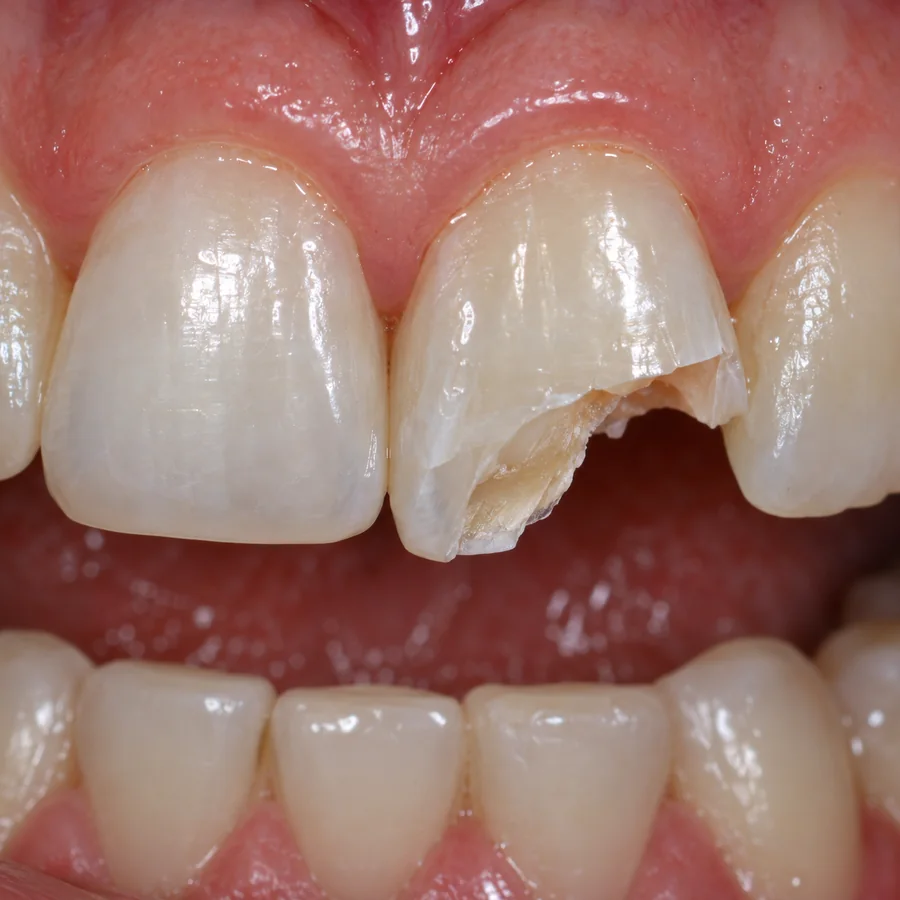
May need protective coverage if the tooth can still be restored.
Ask about this case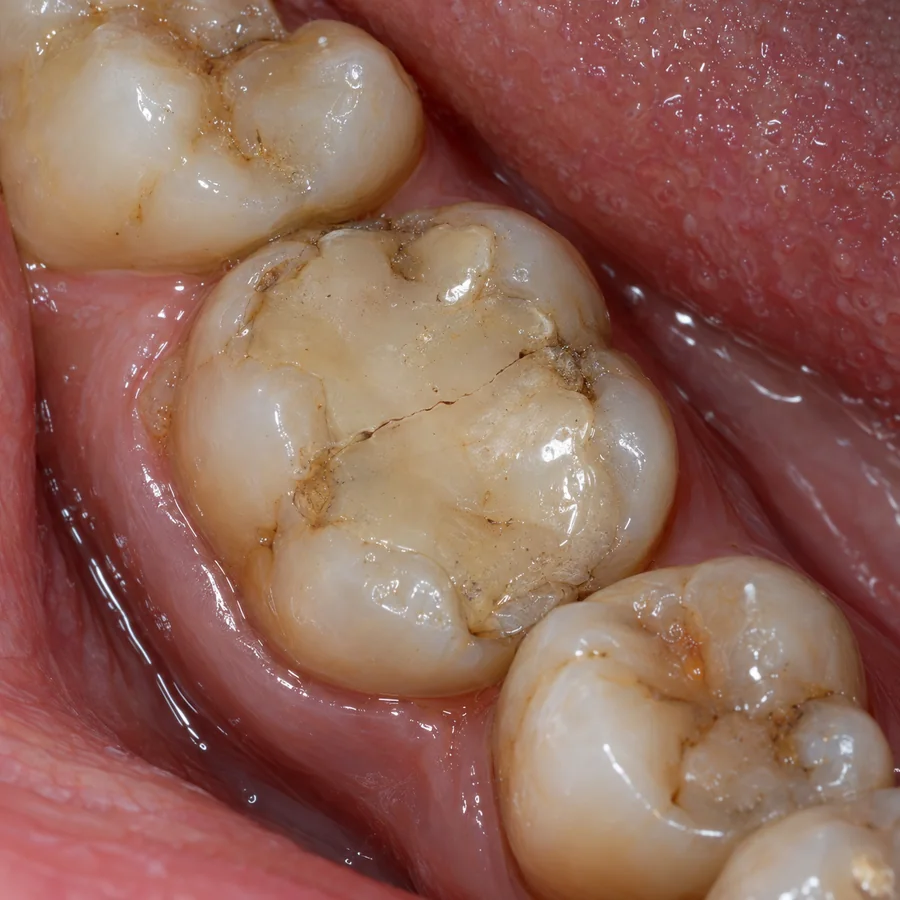
The dentist assesses the risk of cracking and how sound the remaining tooth is.
Ask about this case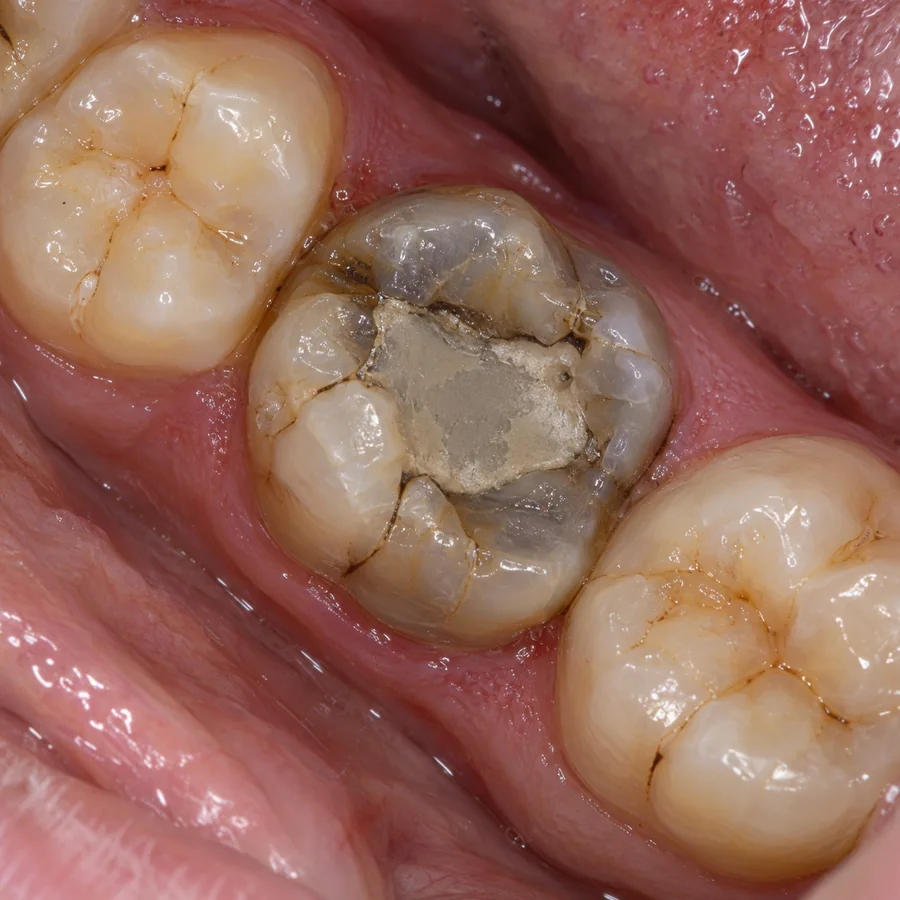
Considered based on structure loss and chewing forces; not every root canal treated tooth needs a crown.
Ask about this case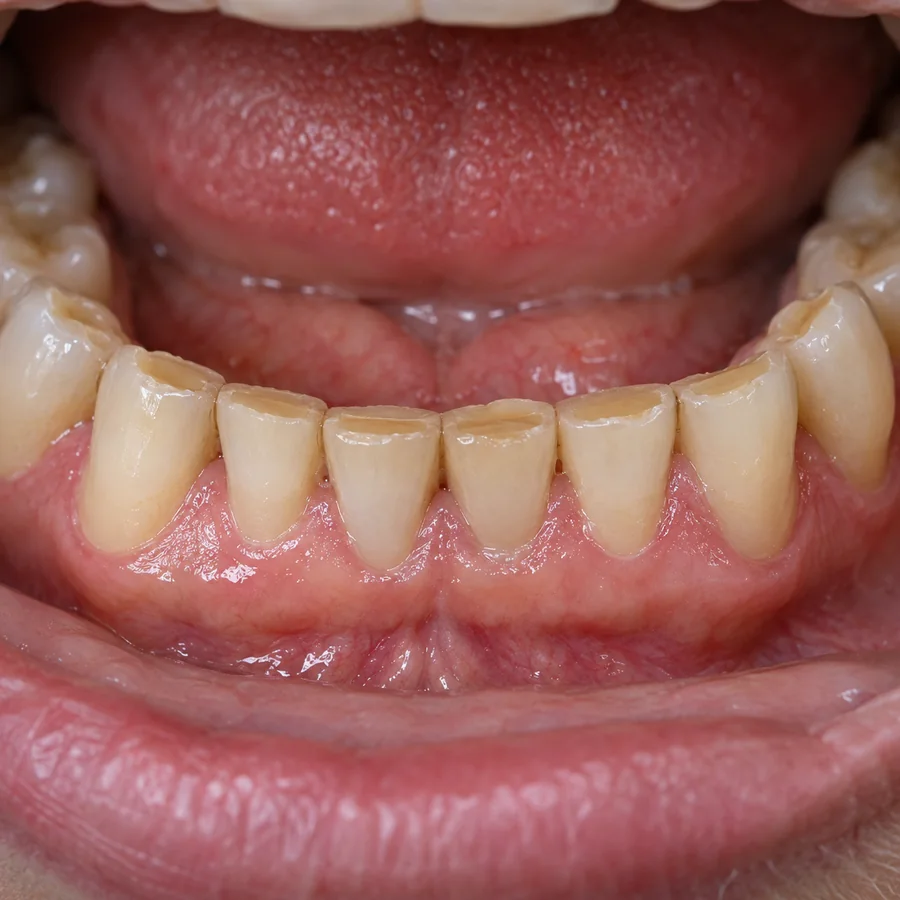
The cause of the wear needs to be controlled and the bite assessed before restoration.
Ask about this case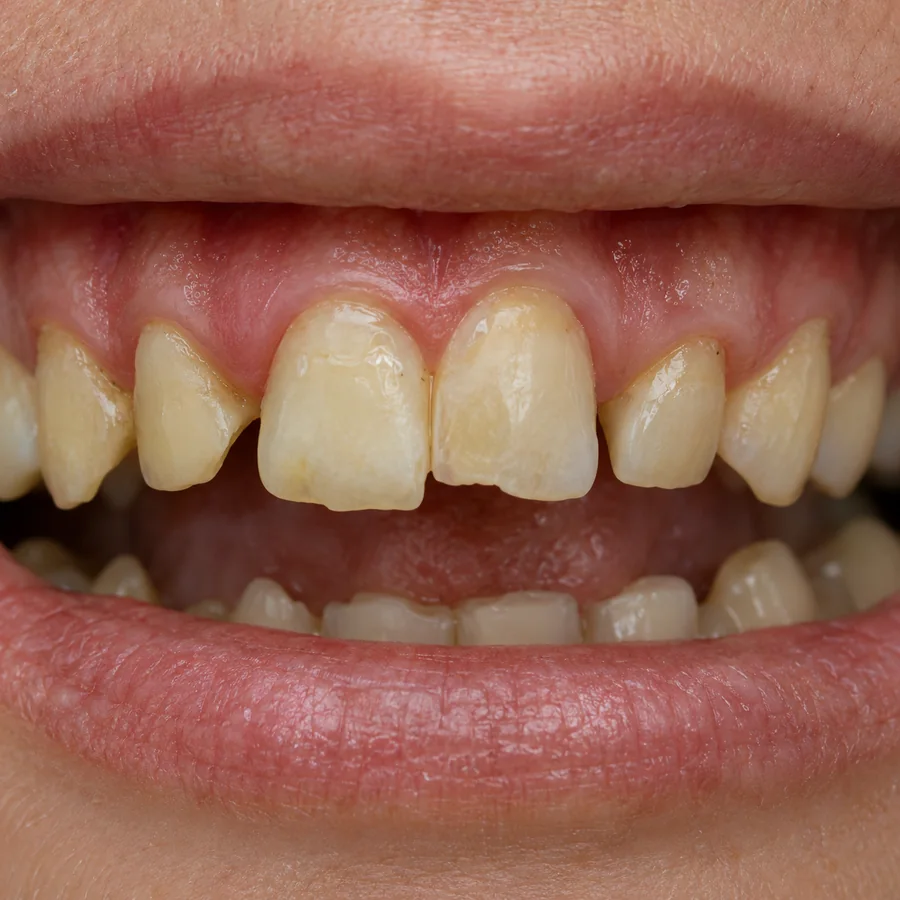
Only considered when less invasive options are not suitable.
Ask about this caseIn some cases, other options or treatment of existing conditions should come first, before crowning.
Whitening should be assessed first.
Consider a filling, veneers or orthodontics as appropriate.
Orthodontics and the relationship between the jaws need to be assessed.
Tooth decay, pulp inflammation or gum disease are treated as indicated before restoration.
A crown cannot save every damaged tooth; replacement options need to be assessed.
A single crown cannot replace a missing tooth; consider an implant, a bridge or a removable denture.

Restores damaged teeth, aiming for comfortable chewing and a harmonious smile.
The porcelain crown rebuilds a tooth with a large cavity, fracture or wear, helping restore contact and chewing function when the bite is properly adjusted.
The crown covers a weakened tooth and helps reduce the risk of cracking when indicated. How well it works depends on the remaining tooth structure and chewing forces.
The porcelain shade and crown shape are chosen to match the surrounding teeth for a more balanced, natural smile.



Combined with any necessary treatment, a crown helps you keep using a tooth that can still be preserved, instead of having it extracted.
All-ceramic or monolithic zirconia is chosen to suit the tooth position and bite force. Real-world durability also depends on the bite, chewing habits and hygiene.
The polished porcelain surface resists food stains and is easy to clean every day following your dentist’s advice.
A crown requires reducing tooth structure. The dentist will consider less invasive options when suitable.
Compare structure, aesthetics and points to consider before choosing.
| Criteria | 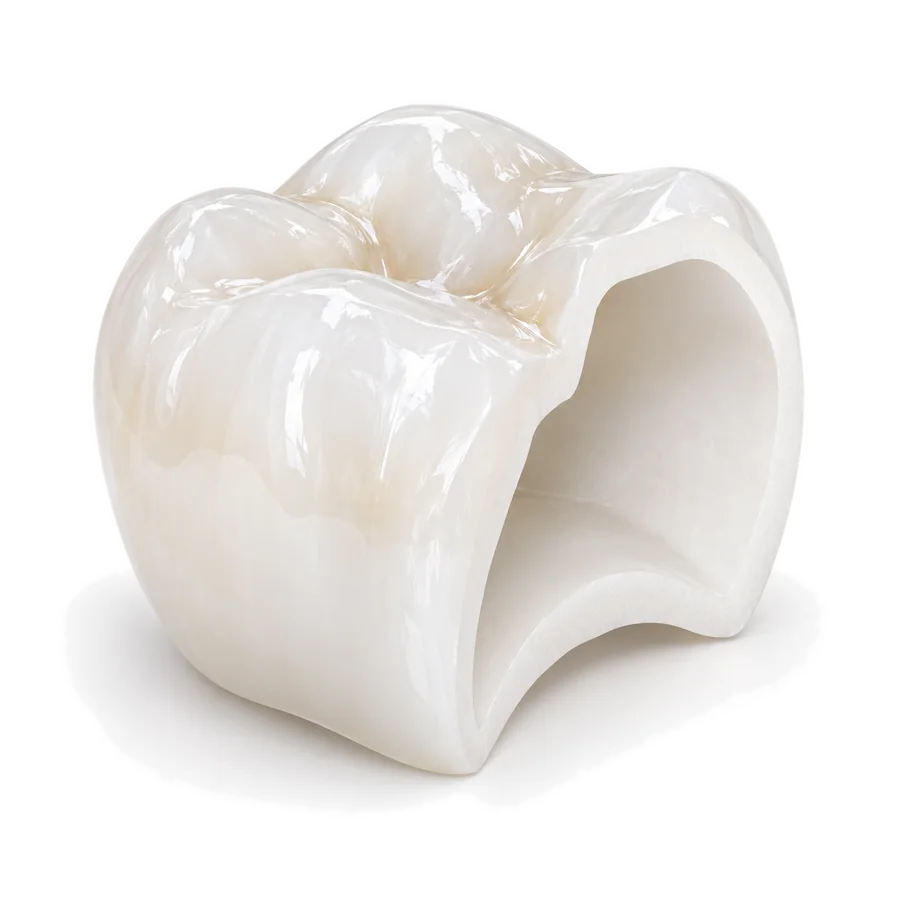 All-ceramic crown | 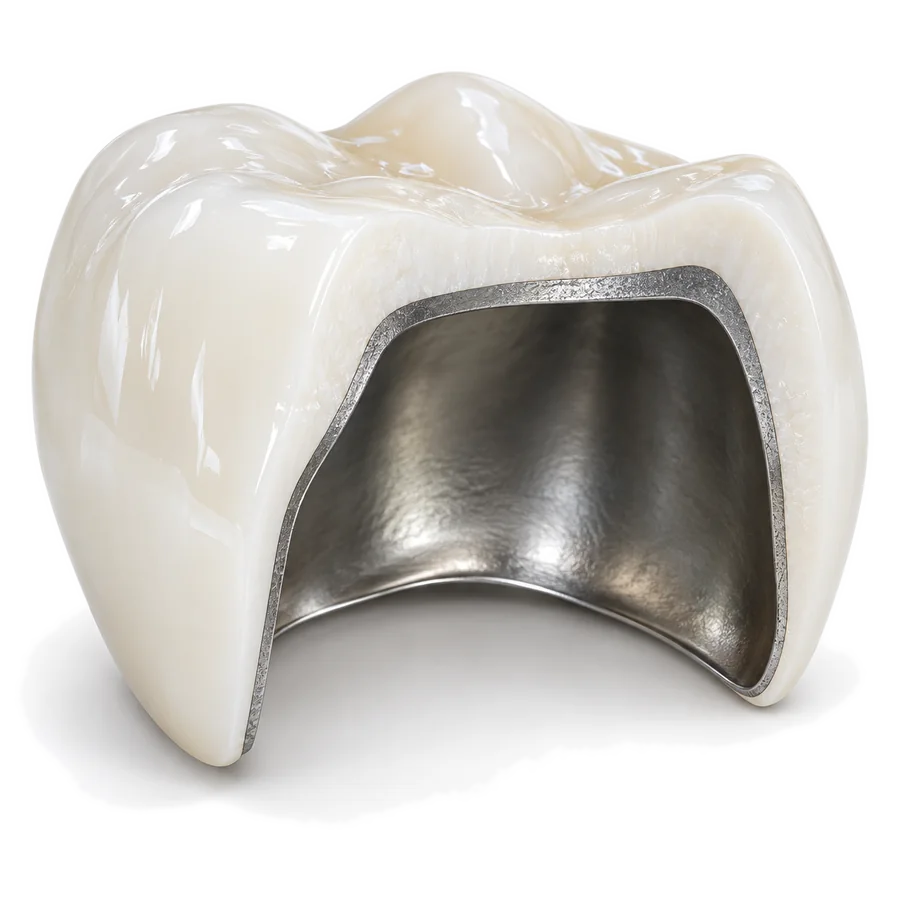 Titanium-ceramic crown | 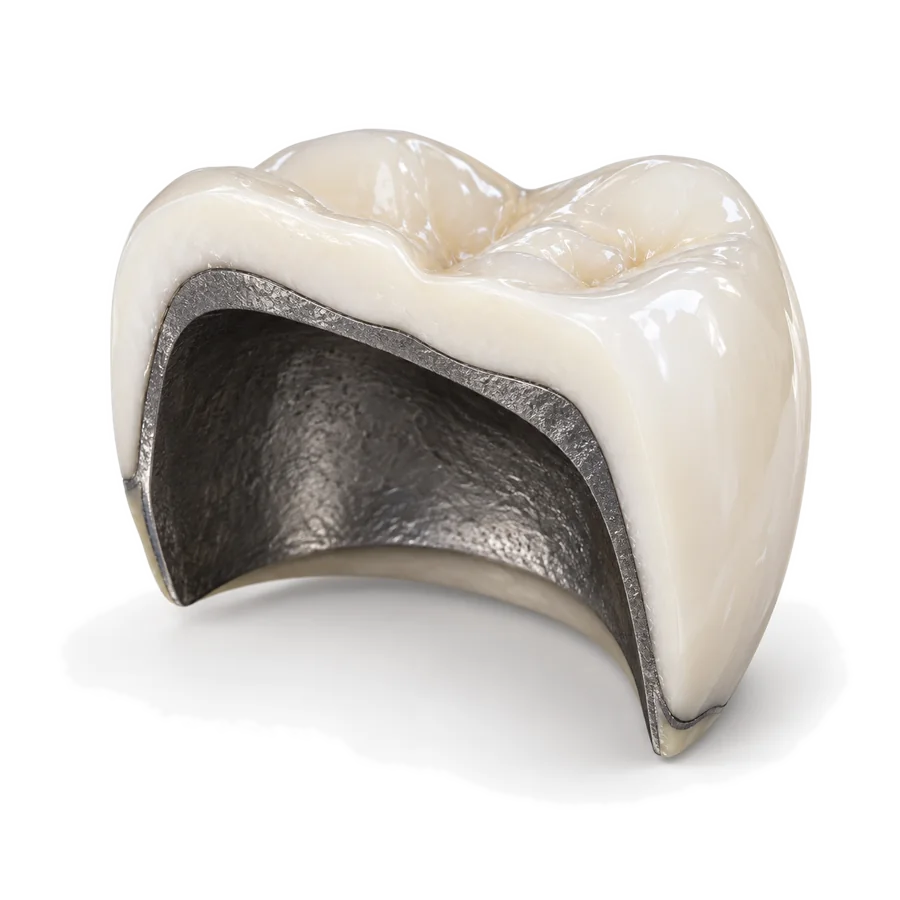 Metal-ceramic crown |
|---|---|---|---|
| Structure | No metal framework. Made from ceramics such as Zirconia or lithium disilicate. | A titanium-containing alloy framework covered with a layer of porcelain that creates the tooth's shape and color. | A Co–Cr or Ni–Cr alloy framework covered with porcelain. |
| Aesthetics | Color and translucency vary by ceramic type; easy to customize to blend with neighboring teeth. | The porcelain layer gives the tooth its color, but the metal framework can reduce translucency. | Can restore tooth color and shape; translucency is usually limited by the metal framework. |
| Gum margin | No metal edge. Gum health still depends on the fit and hygiene. | The metal edge may show if the gums recede. | A dark edge may be visible, especially when the gums recede. |
| Strength | Depends on the material, thickness and design; should be chosen for the tooth position and chewing forces. | The framework supports the porcelain; the outer layer can still chip. | The framework supports the porcelain; durability also depends on your bite and care. |
| Things to consider | Balance aesthetics, durability, the amount of preparation and budget. | Clarify the alloy composition and any allergy history before choosing. | Mention any history of metal allergy, especially to nickel. |
The dentist recommends the porcelain type based on tooth position, bite, remaining tooth structure and your aesthetic goals.
Each stage includes a check before moving on to the next.
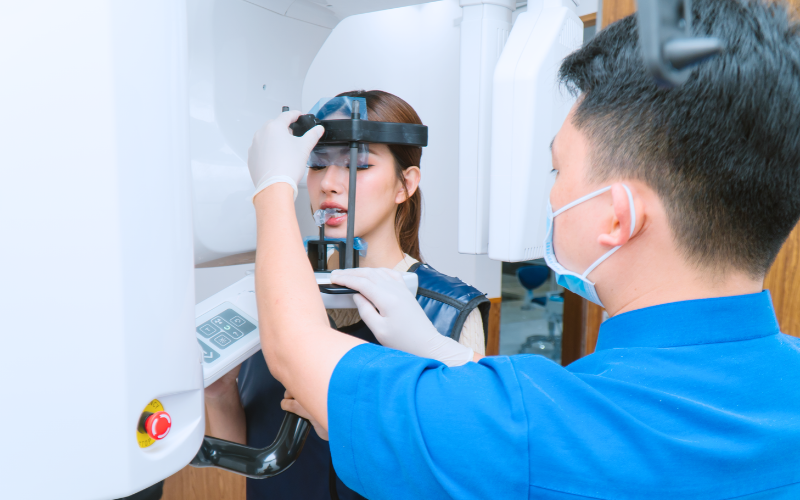
Check teeth, gums and bite; take X-rays when needed. Agree on the porcelain type, tooth shape and shade, cost and appointments.
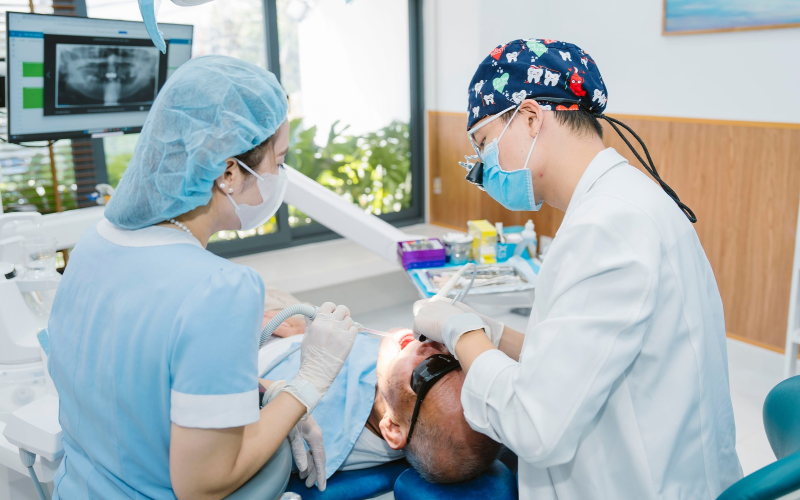
Local anesthesia, then the tooth is prepared for the chosen material, preserving healthy tooth structure; a temporary crown is fitted when needed.
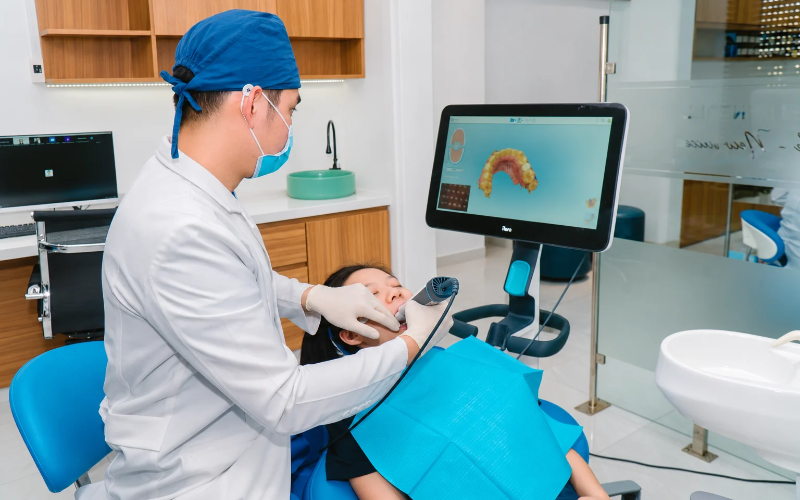
Impressions or a digital scan are taken; the crown is crafted from the data and the agreed tooth shade.
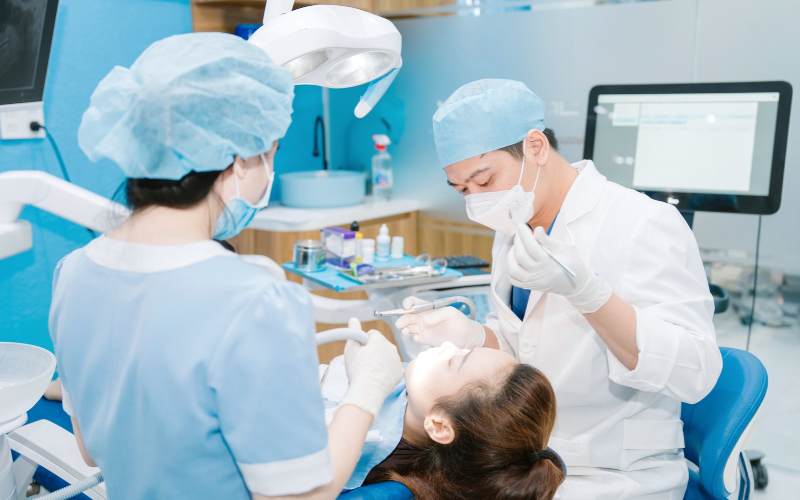
Check the fit, shade and bite; adjust, then cement permanently and give care instructions.
Note: The number of appointments and the time between steps depend on the number of teeth, the method, porcelain fabrication time and any accompanying treatment.
Ask about the processThe dentist explains the plan before each stage so you know exactly what happens at every appointment.
The dentist examines your teeth, gums and bite and takes X-rays when needed to assess the pulp and remaining tooth structure. You receive advice on the right option: a crown, veneers or a partial restoration.
Based on the examination, the dentist proposes the porcelain type, number of teeth, expected timeline and cost for you to consider before treatment.
The tooth is numbed, any necessary problems (decay, pulp inflammation) are treated, and it is then prepared to the thickness required by the chosen porcelain, preserving as much healthy tooth structure as possible.
The dentist fits a temporary crown to protect the tooth core and keep your appearance while you wait for the porcelain crown.
The dentist takes impressions or an intraoral scan and chooses the porcelain shade with you. The crown is crafted from your tooth data, bite and the agreed tooth shape.
The dentist checks the fit, shade and bite, adjusting before final cementation.
After placement, you receive guidance on cleaning and chewing, and regular follow-up visits are scheduled to monitor the crown, gums and bite.
Careful preparation and proper care help protect your natural teeth and maintain both appearance and chewing ability.
Prepare well for peace of mind
Choose a reputable dental clinic: Look for a licensed clinic, dentists experienced in restorations and sterile procedures.
Talk openly with your dentist: Share your wishes, budget, medical conditions, current medications, allergies and any teeth-grinding habit.
Check your oral health: Teeth, gums and bite are assessed; any conditions are treated as indicated before restoration.
Understand how much will be done: Ask why a crown is needed and whether a more conservative option exists. Tooth structure that has been ground away does not grow back.
Agree on the plan and cost: Clarify the porcelain type, number of teeth, total cost, possible extra costs, appointments and warranty terms.
Proper care, long-term follow-up
Follow the dietary advice: Eat when your dentist says you can. Choose soft foods while your teeth are still sensitive; avoid hot or cold foods if they cause sensitivity.
Clean your teeth and gumline carefully: Brush twice a day with fluoride toothpaste; clean between your teeth daily. The tooth under a crown can still decay.
Avoid excessive biting force: Don't chew ice, bite hard objects or open packaging with your teeth. Wear a night guard if recommended.
Report problems early: Contact us if your bite feels high, pain persists, your gums swell, or the crown is loose or chipped. Don't try to adjust or reattach it yourself.
Attend scheduled follow-ups: Have the fit, bite and health of your teeth and gums checked on your dentist's schedule.
Cosmetic porcelain teeth — Clear advice, responsible treatment

Teeth, gums and bite are assessed; we recommend an option suited to your dental condition and wishes.

Crowns, veneers or partial restorations are considered. We explain the level of intervention and only prepare tooth structure as the treatment requires.

Clear information on the porcelain type, origin and material properties; the choice is agreed before treatment.

Infection control, instrument processing and treatment following clinical protocols.

Design advice in harmony with your face; porcelain try-in and checks of fit and bite before final placement.

The number of teeth, porcelain type, total cost and any possible extra costs are made clear. Any change is discussed before it is made.

Warranty information is provided for each restoration type, explaining the scope, duration and conditions.

Guidance on cleaning, chewing and follow-up visits; we see and check you if any problem arises while using your restoration.
Dentist
Dr. Ngan is a specialist in aesthetic porcelain restorations, general dentistry and orthodontics – including traditional braces and Invisalign clear aligners.

Dentist
Dr. Thinh’s strengths are dental implants, aesthetic restorations and oral surgery, with a focus on conservative, precise treatment tailored to each clinical situation.

Dentist
Dr. Quan has advanced training in dental implants, full-arch rehabilitation and basic maxillofacial surgery.

Dentist
Dr. Thanh Nga graduated from a renowned university in the Republic of Belarus.

Dentist
Dr. Nhi has formal professional training and regularly attends courses to advance her expertise and treatment knowledge.
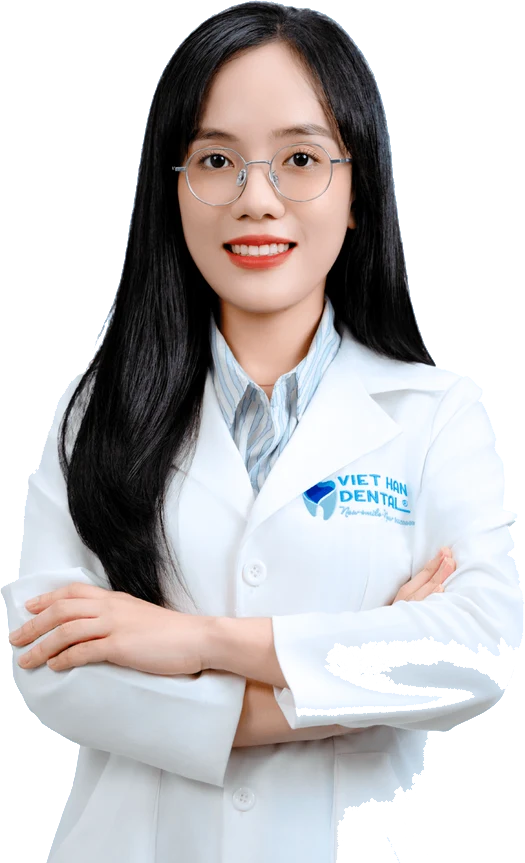
Dentist
Dr. Giang has successfully treated many patients at Viet Han Dental, from traditional braces to the most modern orthodontic methods.
Viet Han currently lists many options such as Zirconia, Cercon HT, DDBIO, Zolid, HT Smile and Lava Plus. The final cost is confirmed after checking the number of teeth, the underlying tooth shade and any supporting treatment.
| Service | Details | Cost |
|---|---|---|
Porcelain crown options | ||
| Full porcelain crown (ZIRCONIA) | 1 tooth · Warranty 7 years | 3,500,000 VND |
| Full porcelain crown (CERCON HT) | 1 tooth · Warranty 10 years | 5,500,000 VND |
| Full porcelain crown (DDBIO) | 1 tooth · Warranty 10 years | 5,500,000 VND |
| Full porcelain crown (ZOLID) | 1 tooth · Warranty 10 years | 6,000,000 VND |
| Full porcelain crown (HT SMILE) | 1 tooth · Warranty 10 years | 7,000,000 VND |
| Full porcelain crown (LAVA PLUS) | 1 tooth · Warranty 15 years | 8,000,000 VND |
Viet Han uses porcelain of clear origin, with a warranty for each type. Based on your tooth condition, tooth position and aesthetic wishes, the dentist will recommend a suitable porcelain.
Zirconia has a strong framework and a natural white color; a popular choice for both front and back teeth at a reasonable cost.
Cercon HT porcelain offers high translucency and good strength; it is often considered for multi-tooth restorations that need both aesthetics and durability.
DDBIO porcelain has good biocompatibility and natural color, suitable for patients who want a harmonious, long-lasting smile.
Zolid porcelain has a gradient translucency like natural enamel, helping front teeth look natural under different lighting.
HT Smile porcelain aims for high translucency and gloss, and is often chosen when patients prioritize the look of their front teeth.
Lava Plus is a premium porcelain line with refined color and high fabrication precision; it carries a long warranty under the manufacturer's policy.
Viet Han understands that every diagnosis and treatment plan shapes each patient’s smile and facial appearance. Our dentists continually develop their expertise, placing treatment quality and the preservation of natural teeth first, with a commitment to professional growth and attentive care.

Digital impressions and clear images help the dentist assess your teeth and explain treatment options.

A specialised device used in regenerative medicine, aesthetics and dentistry to separate platelet-rich plasma from the patient’s own blood.

X-ray images help the dentist evaluate teeth and jaw structures and plan appropriate treatment.

Proprietary digital orthodontic treatment planning and 3D simulation software developed by Align Technology and used in the Invisalign clear aligner system.

The dental unit supports the dentist’s work and patient comfort in the treatment room.

Deep-cleans instruments, removing organic matter, blood, plaque and bacteria from surfaces and narrow grooves before sterilisation.

Ultrasonic technology assists the dentist during procedures selected according to clinical needs.

Emits short-wavelength ultraviolet light in the UV-C range to kill or inactivate pathogens.

Waiting becomes lighter and more enjoyable in a thoughtfully prepared lounge. Patients can relax with magazines, while books and comics on many topics are set aside for our youngest visitors. The lounge also offers plenty of ways to unwind: from online games to familiar board games such as chess, ludo or go. Adults and children alike can always find something to enjoy while they wait.

After your scans, you sit down with a consultant and the dentist to understand the health of your smile and the treatment plan that suits you best. During the consultation, your dentist explains the examination findings, the planned treatment steps and how to prepare. You can share your expectations and ask about timing, costs and aftercare to help choose an appropriate option together. A quiet room makes it easier to have an open, clear and comfortable conversation.
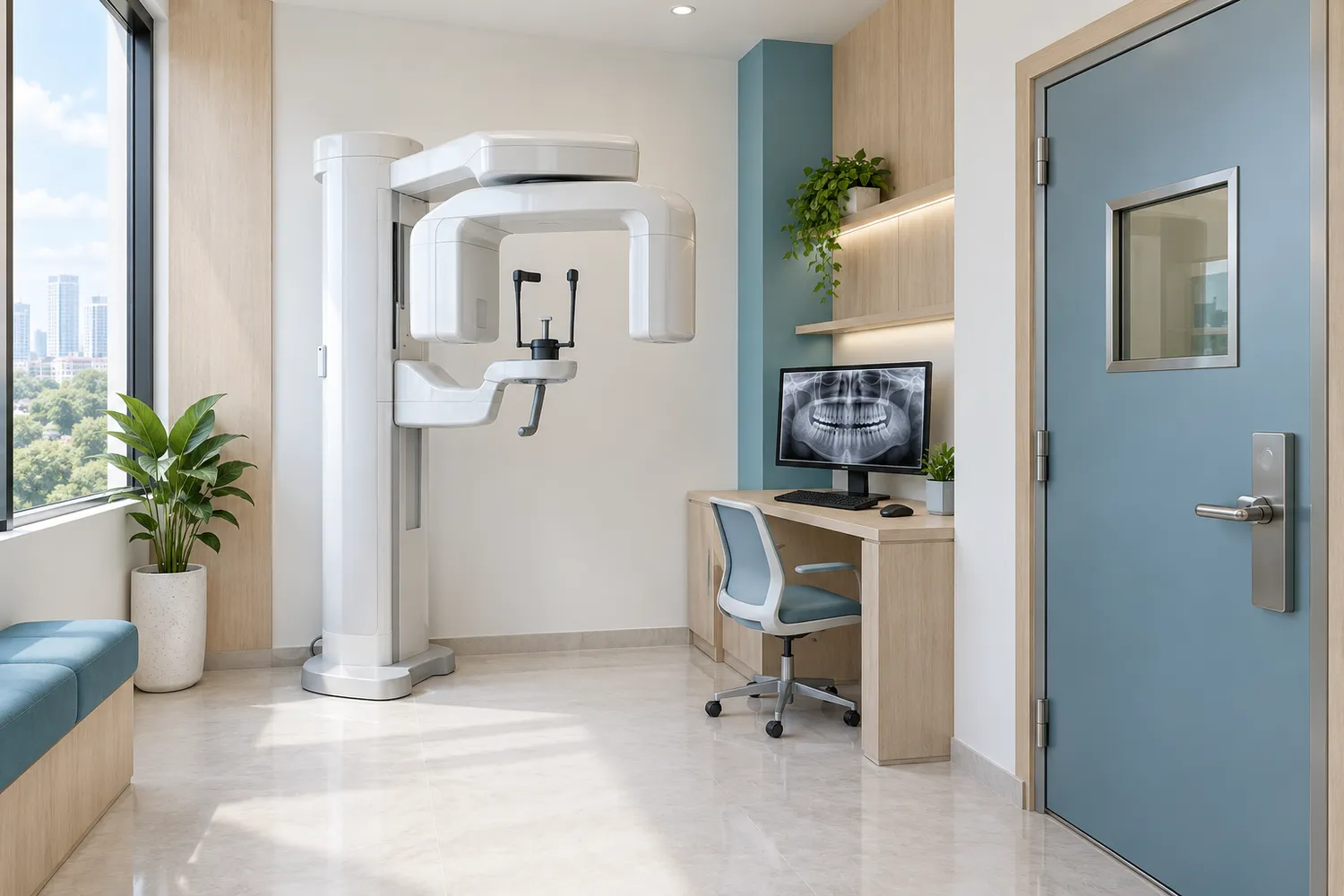
X-ray images let the dentist see the teeth, roots and jawbone, adding the information needed for an accurate diagnosis and a suitable treatment plan. The dentist chooses the right type of imaging for your condition and treatment needs, and the Viet Han team guides and supports you throughout.

The light well at Viet Han brings in natural sunlight and lets fresh air flow between floors, keeping the space airy and pleasant. A small fish pond with gently moving water adds life and calm, while carefully tended greenery brings nature closer to every visit. A peaceful corner where you can relax and feel at ease at the dentist.

Private treatment rooms help you feel more at ease at every visit. A tidy layout, soft lighting and modern equipment support the dentist in caring for your smile. Each step is clearly explained, and our attentive team stays with you so you always feel cared for.
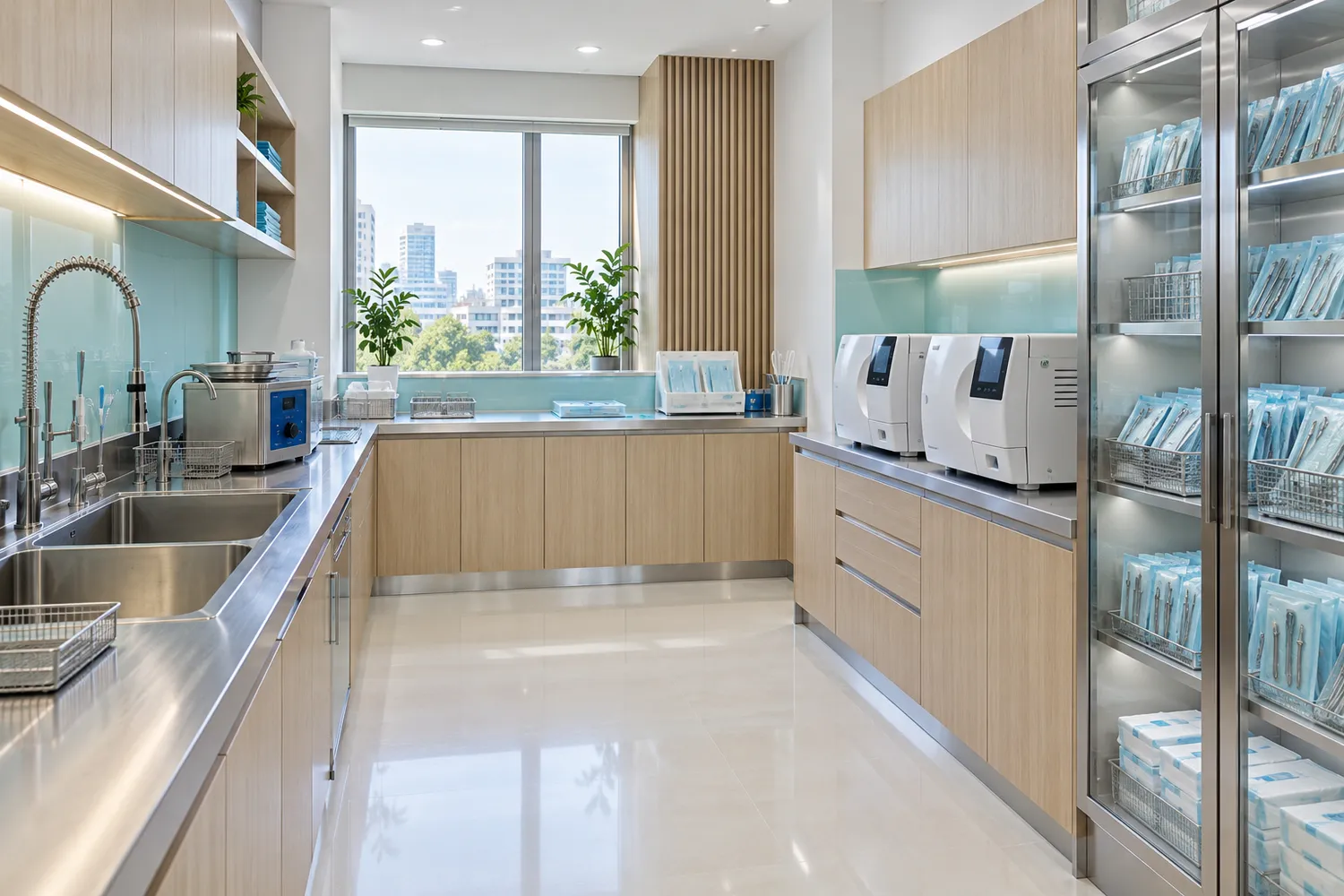
The sterilization room is dedicated to reprocessing dental instruments. Cleaning, packaging, sterilizing and storage each play a part in infection control during treatment. The room is divided into functional zones so instruments are handled and stored in an orderly way, keeping used and sterilized instruments clearly apart.
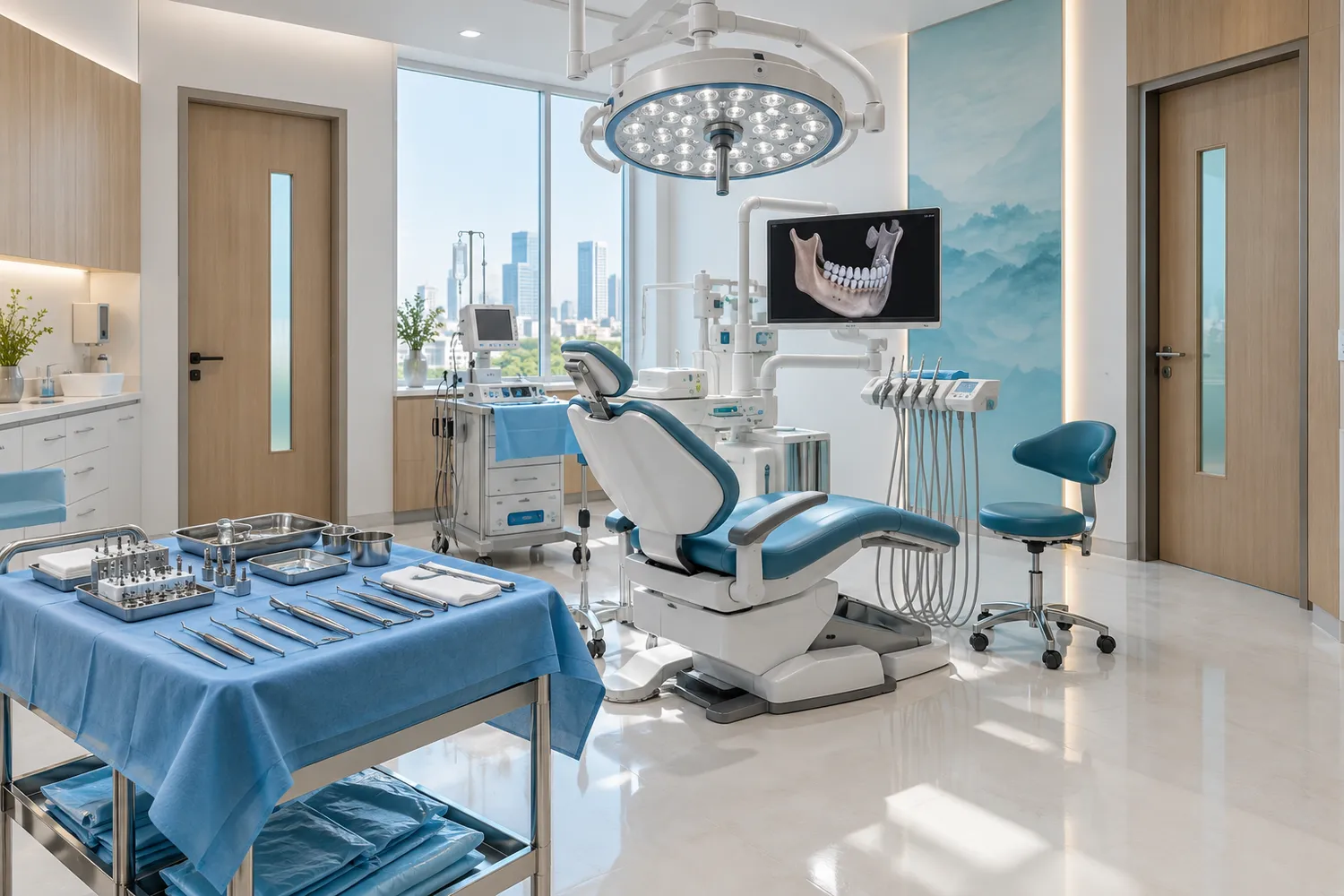
The surgical suite follows a one-way layout that separates functional areas and movement routes to support infection control throughout each procedure. Equipment and instruments are prepared for every individual surgery, and the team works closely together from preparation to monitoring, with your safety and peace of mind first.

After surgery, patients can rest in the recovery room as advised by the dentist. The quiet, private space helps you relax before going home. The medical team monitors your condition after treatment, helps whenever needed and explains how to care for yourself at home. Rest time is adjusted to each patient.
Viet Han combines formally trained dentists with diagnostic data and a follow-up process to build the right plan for every patient.

Viet Han Dental operates under a medical examination and treatment licence issued by the Department of Health. You can view the licence at the clinic.

Dentists treating patients at Viet Han hold practising certificates issued by the competent authority and work within their professional scope.

Our restorative dentists have advanced training in cosmetic porcelain teeth, smile design and restoring chewing function; their degrees and certificates are published in their dentist profiles.
Real journeys of patients with different dental conditions and smile goals at Viet Han Dental.
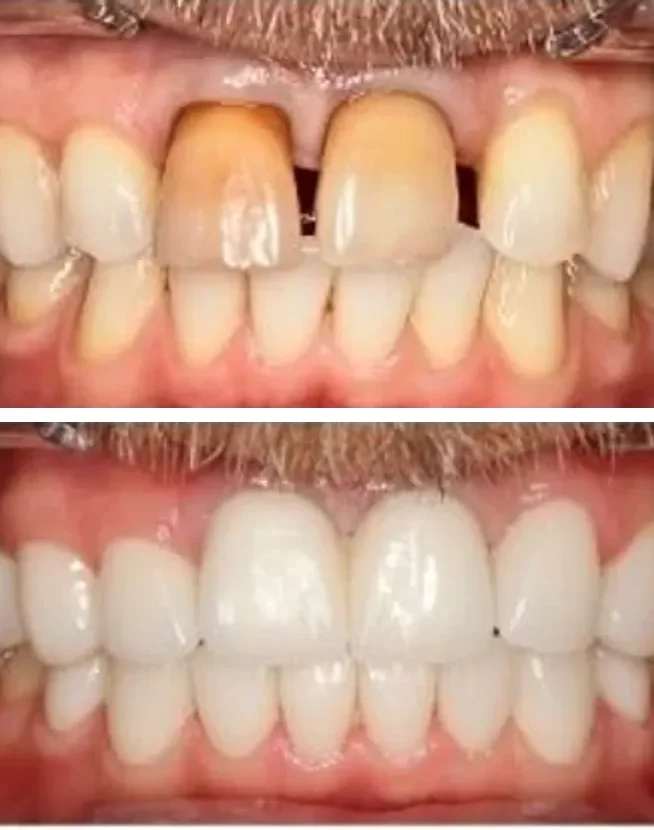
Smile design and cosmetic restoration
The patient wanted to improve the color, shape and harmony of the front teeth.
The dentist checked the underlying teeth, gums and bite before designing proportions, choosing the shade and selecting materials.
The final restoration was refined to suit the face and smile; actual results depend on the initial condition.
One examination will help you understand your teeth, the options available and a plan that fits the smile you want.
Book a porcelain crown examination
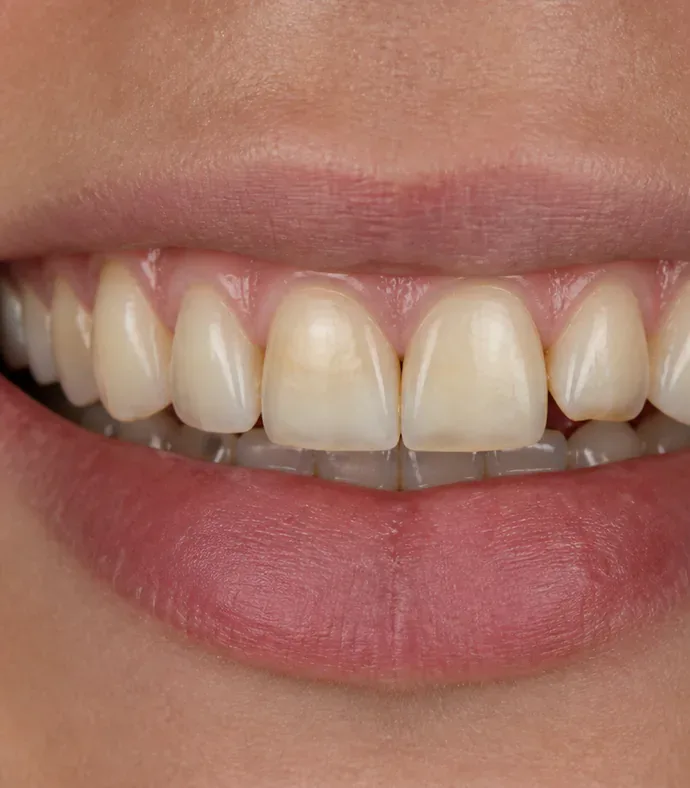 Before
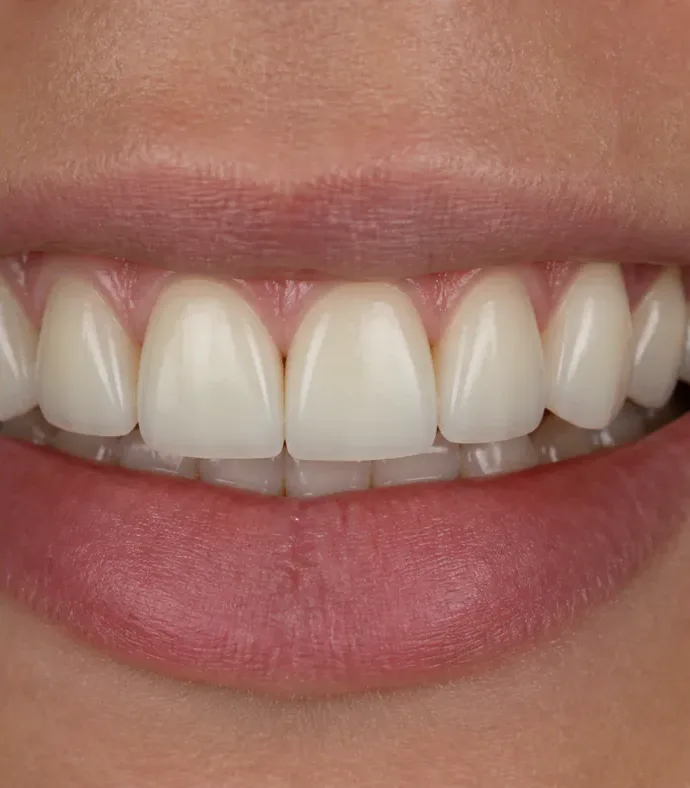 After
Yes, I am 100% satisfied. First of all, I won't pick a dental place without reading their review. My main concern was not to go through a place less than 4.5 stars, why? Well simple, I wouldn't want to fly back if something went wrong. But wow! Luckily I chose the right place. The staff was friendly. Ms. Hoan - my dentist was incredibly talented, very detailed, patience, warm, and not satisfied until I am happy with the work she did.

I am an expat in Nha Trang and luckily I found this clinic. I have my tooth removed here, it did not hurt as I imagined. Doctor and staff are professional and polite! Recommend to you!

My friend recommended me to visit this clinic. I made an appointment to Dr.Mary, she is the specialist from Brazil. And I totally loved it!❤️ I think it was my best time at the dentist ever. If you are in Nha Trang you should come to this clinic for sure. The dentist are very friendly and professional. The building looks very nice too.

I had my 4 wisdom teeths extraction in Viet Han Dental done. It was very gentle and calm even my case was kinda difficult. Very clean and professional, doctors and their assistants, also receptionist can speak English very well. Highly recommend !!!

If you need to go to a good dental clinic in Nha Trang, I would really suggest going to this place. The young woman who welcomes new patients and liaisons between foreign customers and the dentists how does a wonderful job. She has great English communication skills and she's very helpful and informative.

I highly recommend this clinic! The stuff is very friendly, hospitable and helpful! Also very client oriented, once I forgot my money, so they said I can bring it next time! Doctor Mary from Brazil is an amazing specialist! I treated all my teeth with her and even took one out, the procedure took about 5 minutes, highly professional! At last my teeth become whiter and shiny! Very thankful to her!

Maria shares how veneers completed her smile
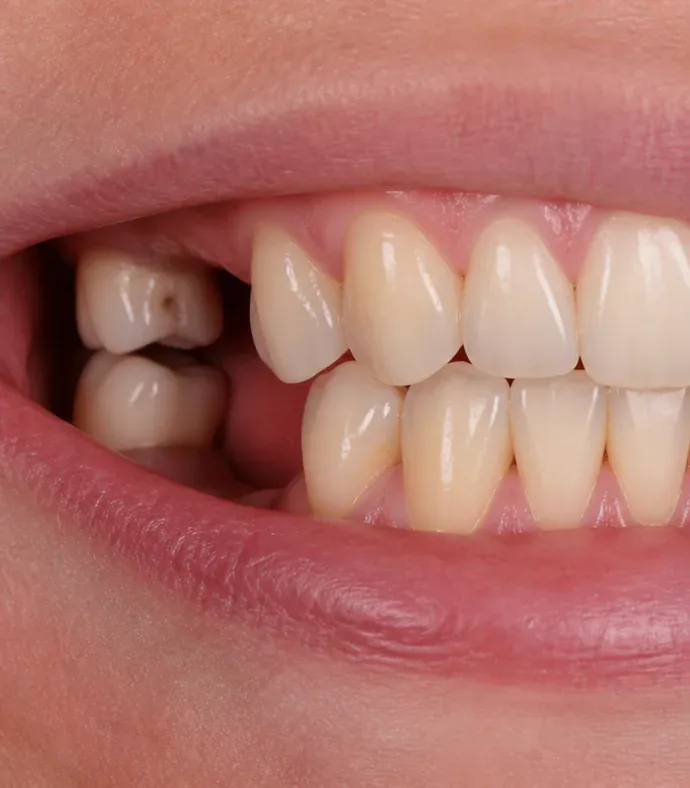 Before
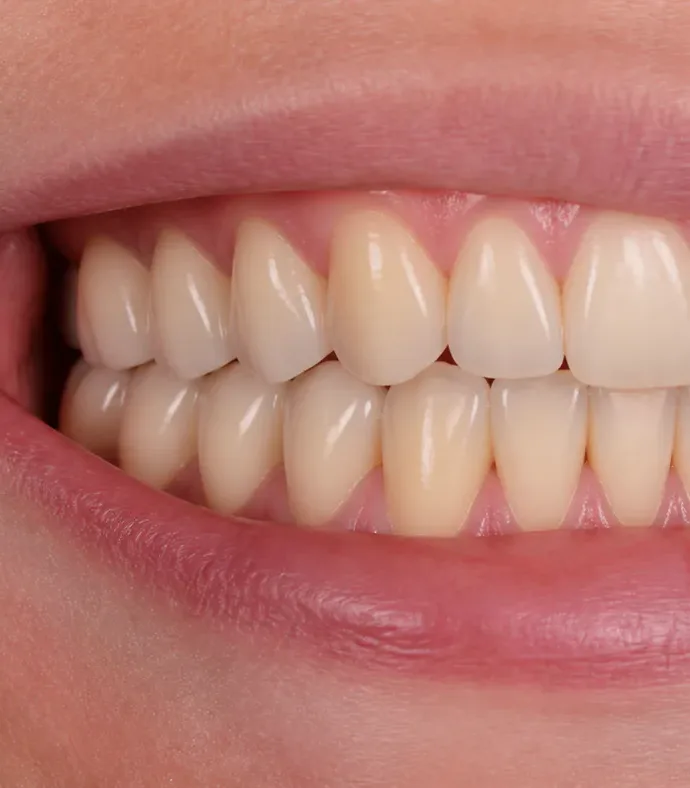 After
I am an expat in Nha Trang and luckily I found this clinic. I have my tooth removed here, it did not hurt as I imagined. Doctor and staff are professional and polite! Recommend to you!
My friend recommended me to visit this clinic. I made an appointment to Dr.Mary, she is the specialist from Brazil. And I totally loved it!❤️ I think it was my best time at the dentist ever. If you are in Nha Trang you should come to this clinic for sure. The dentist are very friendly and professional. The building looks very nice too.
I had my 4 wisdom teeths extraction in Viet Han Dental done. It was very gentle and calm even my case was kinda difficult. Very clean and professional, doctors and their assistants, also receptionist can speak English very well. Highly recommend !!!
If you need to go to a good dental clinic in Nha Trang, I would really suggest going to this place. The young woman who welcomes new patients and liaisons between foreign customers and the dentists how does a wonderful job. She has great English communication skills and she's very helpful and informative.
I highly recommend this clinic! The stuff is very friendly, hospitable and helpful! Also very client oriented, once I forgot my money, so they said I can bring it next time! Doctor Mary from Brazil is an amazing specialist! I treated all my teeth with her and even took one out, the procedure took about 5 minutes, highly professional! At last my teeth become whiter and shiny! Very thankful to her!
Yes, I am 100% satisfied. First of all, I won't pick a dental place without reading their review. My main concern was not to go through a place less than 4.5 stars, why? Well simple, I wouldn't want to fly back if something went wrong. But wow! Luckily I chose the right place. The staff was friendly. Ms. Hoan - my dentist was incredibly talented, very detailed, patience, warm, and not satisfied until I am happy with the work she did.
Patient impressions after dental implants at Viet Han Dental
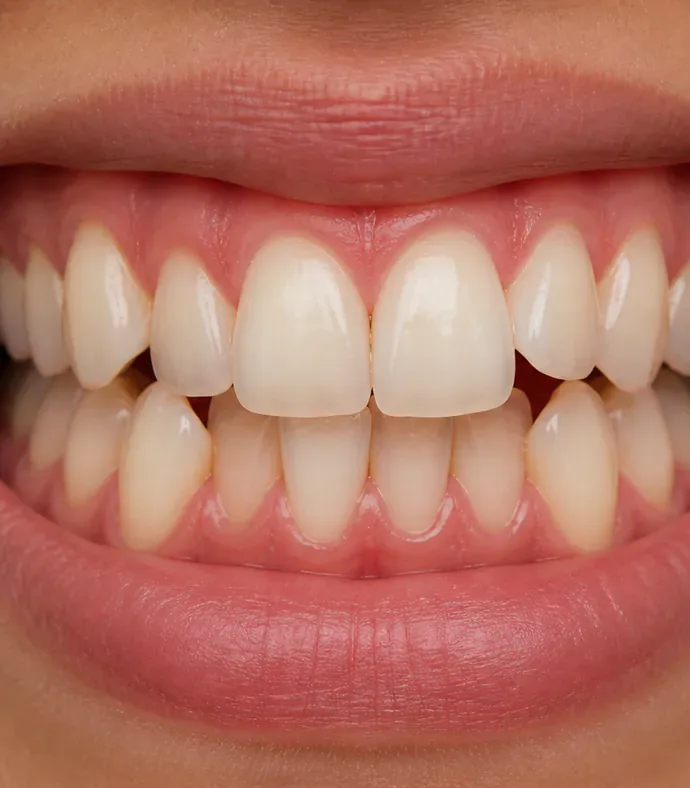 Before
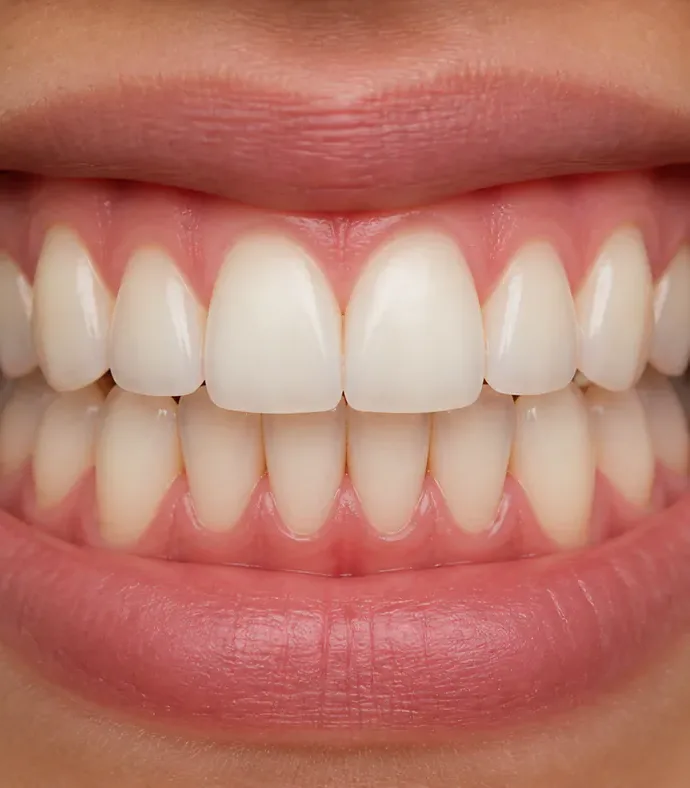 After
My friend recommended me to visit this clinic. I made an appointment to Dr.Mary, she is the specialist from Brazil. And I totally loved it!❤️ I think it was my best time at the dentist ever. If you are in Nha Trang you should come to this clinic for sure. The dentist are very friendly and professional. The building looks very nice too.
I had my 4 wisdom teeths extraction in Viet Han Dental done. It was very gentle and calm even my case was kinda difficult. Very clean and professional, doctors and their assistants, also receptionist can speak English very well. Highly recommend !!!
If you need to go to a good dental clinic in Nha Trang, I would really suggest going to this place. The young woman who welcomes new patients and liaisons between foreign customers and the dentists how does a wonderful job. She has great English communication skills and she's very helpful and informative.
I highly recommend this clinic! The stuff is very friendly, hospitable and helpful! Also very client oriented, once I forgot my money, so they said I can bring it next time! Doctor Mary from Brazil is an amazing specialist! I treated all my teeth with her and even took one out, the procedure took about 5 minutes, highly professional! At last my teeth become whiter and shiny! Very thankful to her!
Yes, I am 100% satisfied. First of all, I won't pick a dental place without reading their review. My main concern was not to go through a place less than 4.5 stars, why? Well simple, I wouldn't want to fly back if something went wrong. But wow! Luckily I chose the right place. The staff was friendly. Ms. Hoan - my dentist was incredibly talented, very detailed, patience, warm, and not satisfied until I am happy with the work she did.
I am an expat in Nha Trang and luckily I found this clinic. I have my tooth removed here, it did not hurt as I imagined. Doctor and staff are professional and polite! Recommend to you!
Xuan Quynh shares her orthodontic journey
Common questions before choosing cosmetic porcelain teeth.
The amount of preparation depends on the tooth's condition, the material and the restoration goals. The dentist should prioritize preserving healthy tooth structure and explain clearly before treatment.
Longevity depends on the material, bonding quality, bite, hygiene and maintenance schedule. There is no single timeframe that applies to every case.
Tooth preparation is usually done under local anesthesia. Mild sensitivity may occur for a short time; prolonged pain should be checked.
The decision should not be based on color alone. The dentist will consider whitening, veneers or other conservative options before recommending crowns.
Describe what you want to improve, such as color, shape or gaps, and how much change you want. Reference photos can help, but they must be adapted to your natural teeth, face and bite.
Let us know if your bite feels high, pain persists, there are sharp edges or chips, or cleaning around the restoration is difficult. Telling us the location and when it started helps our team advise on the next step.